





























Speaking of Silence
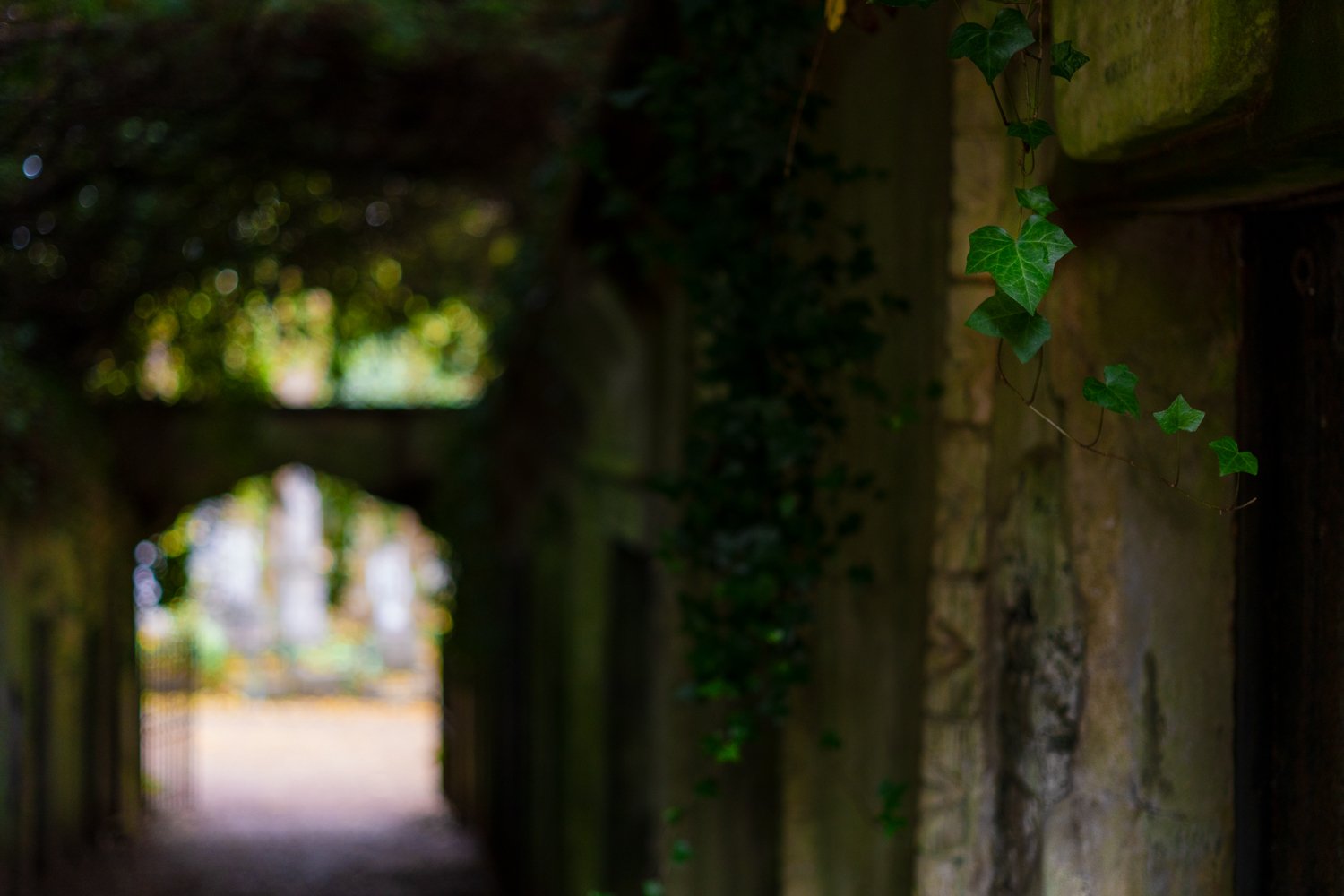
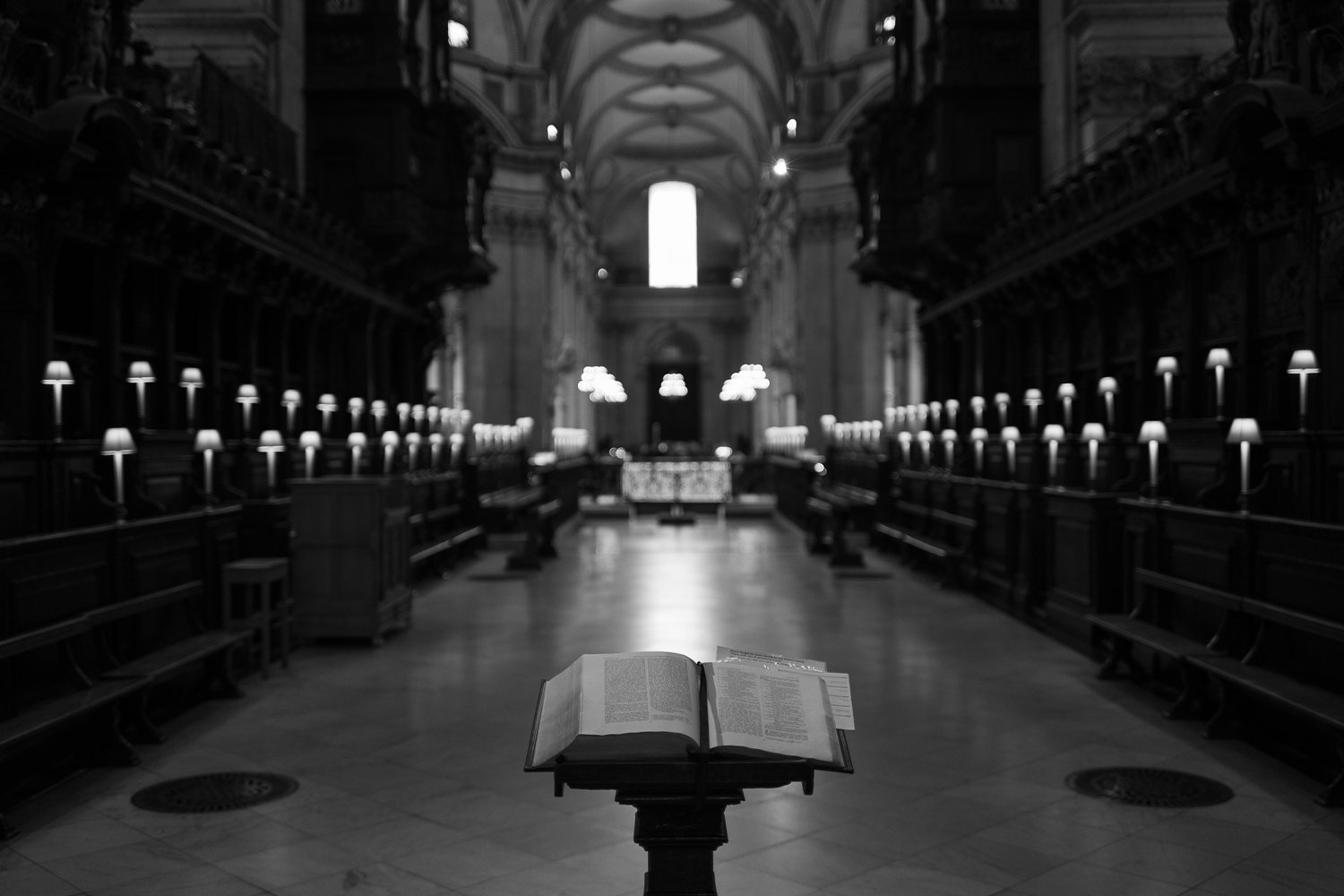
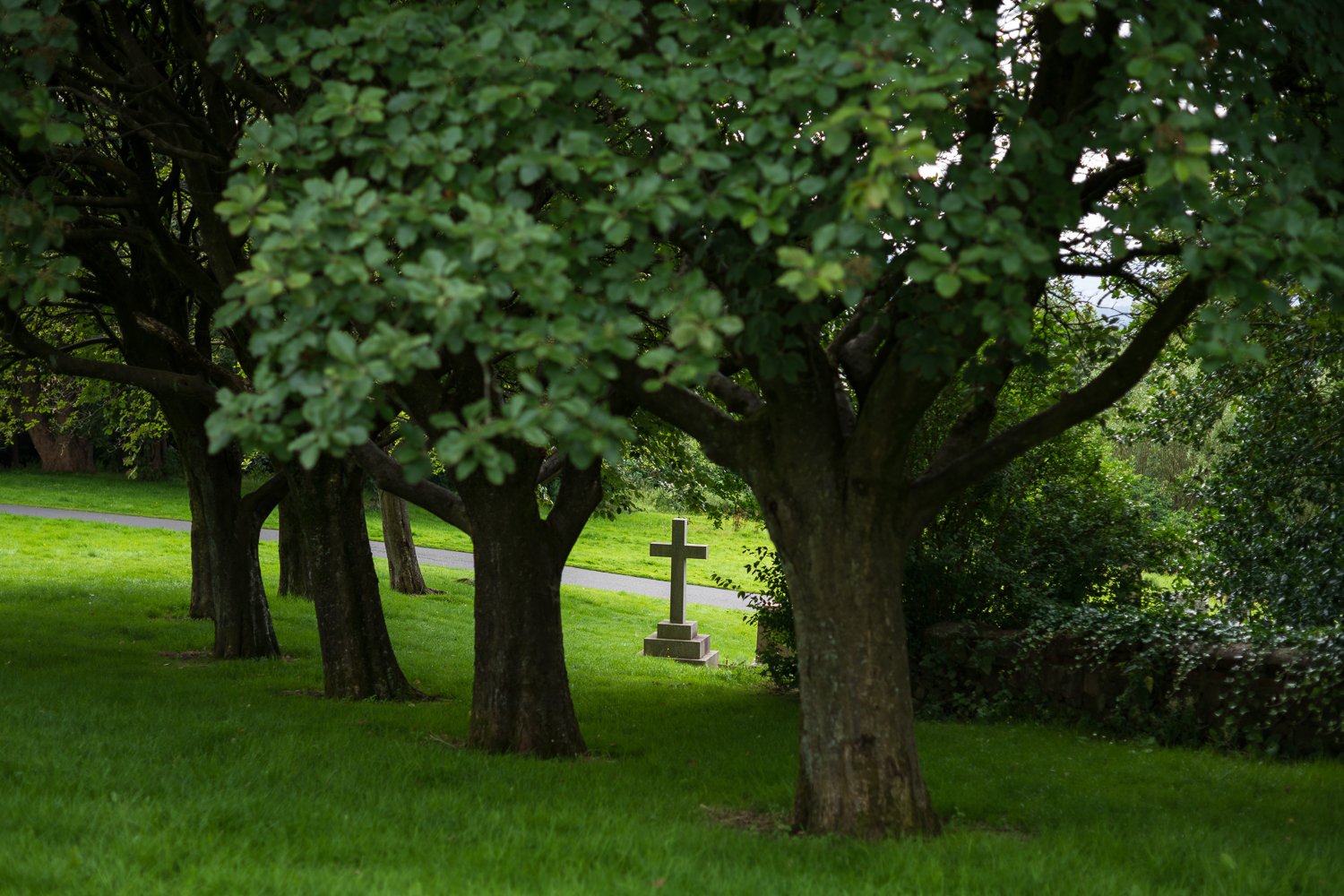
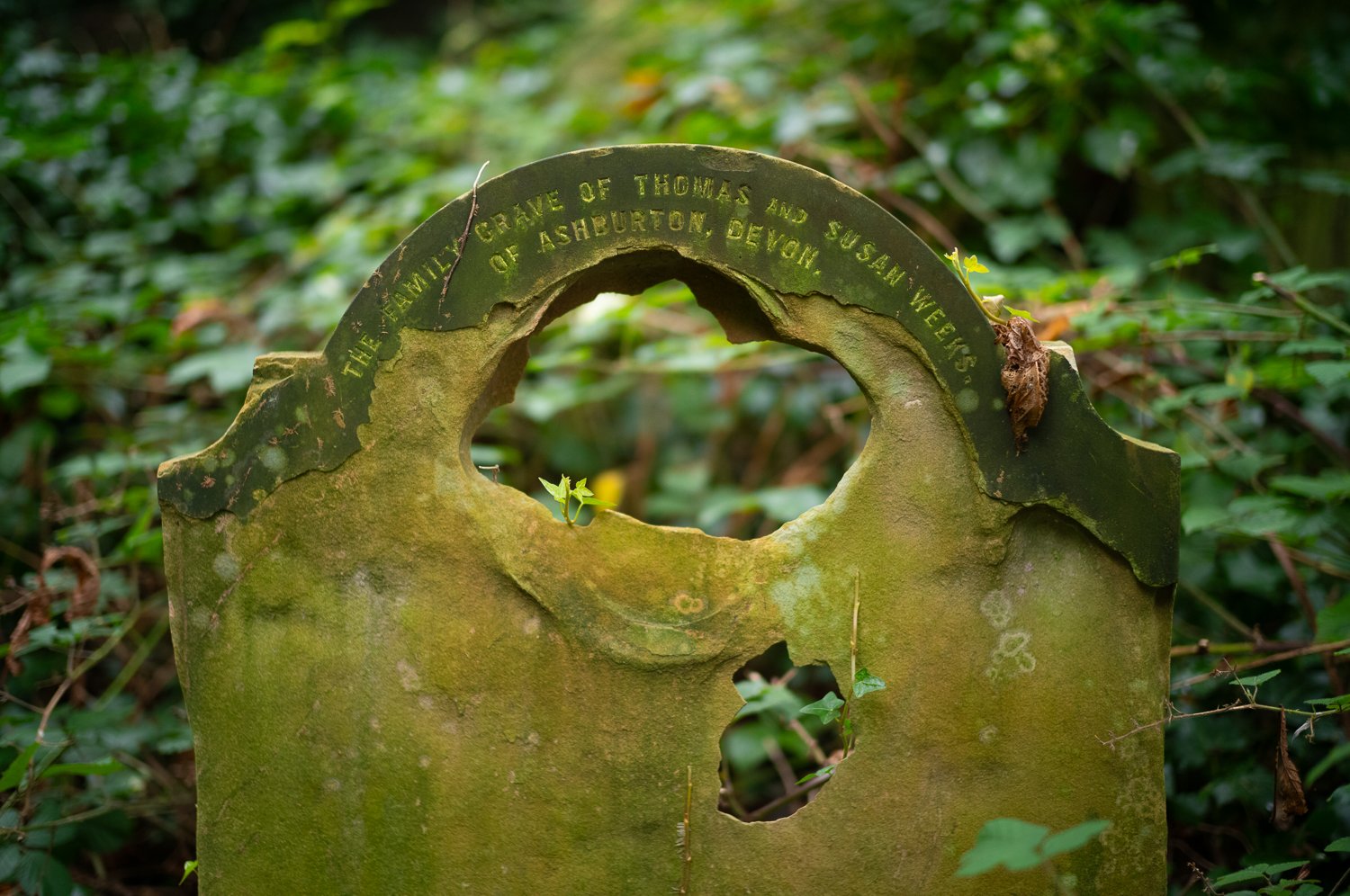
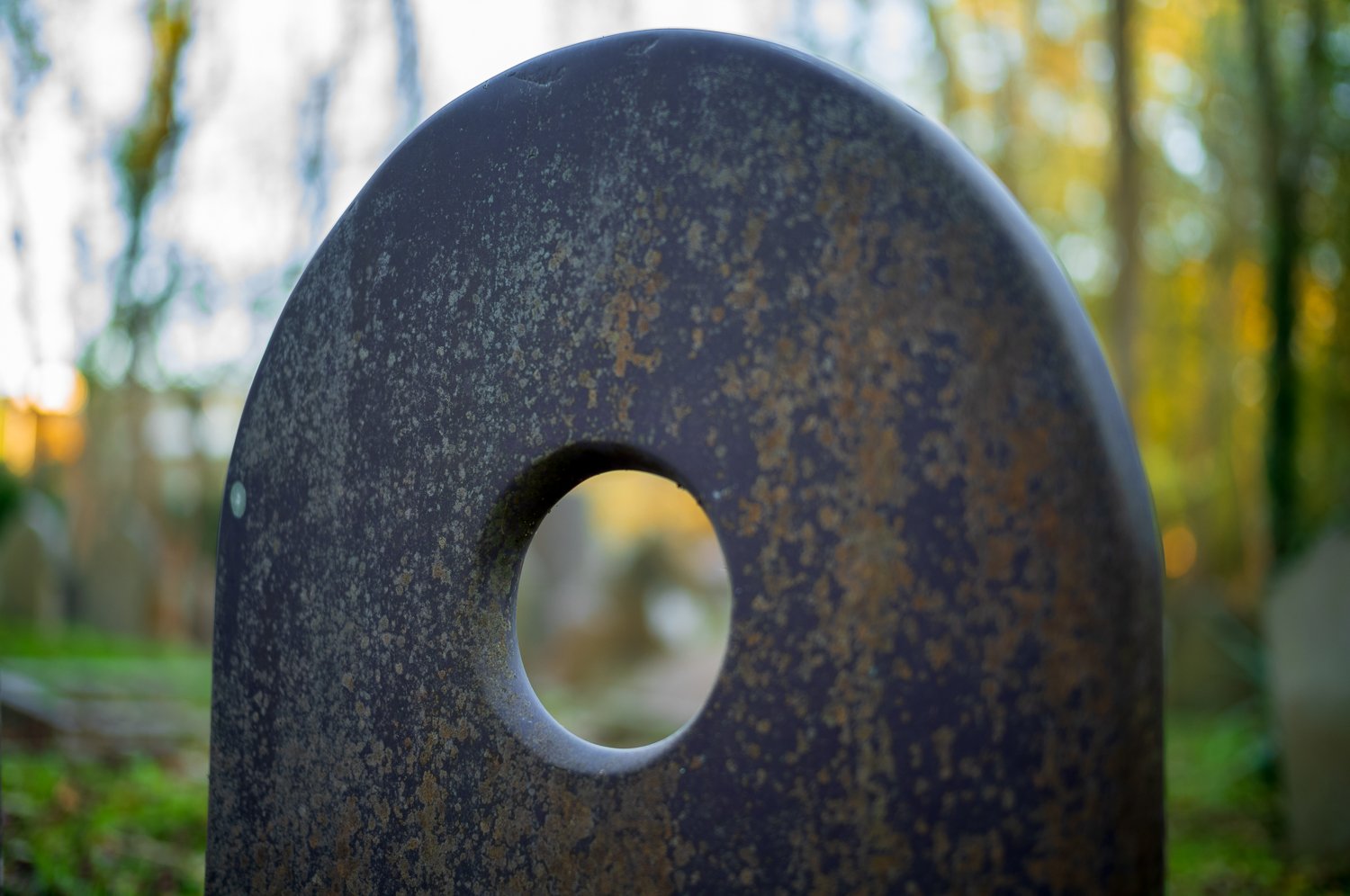
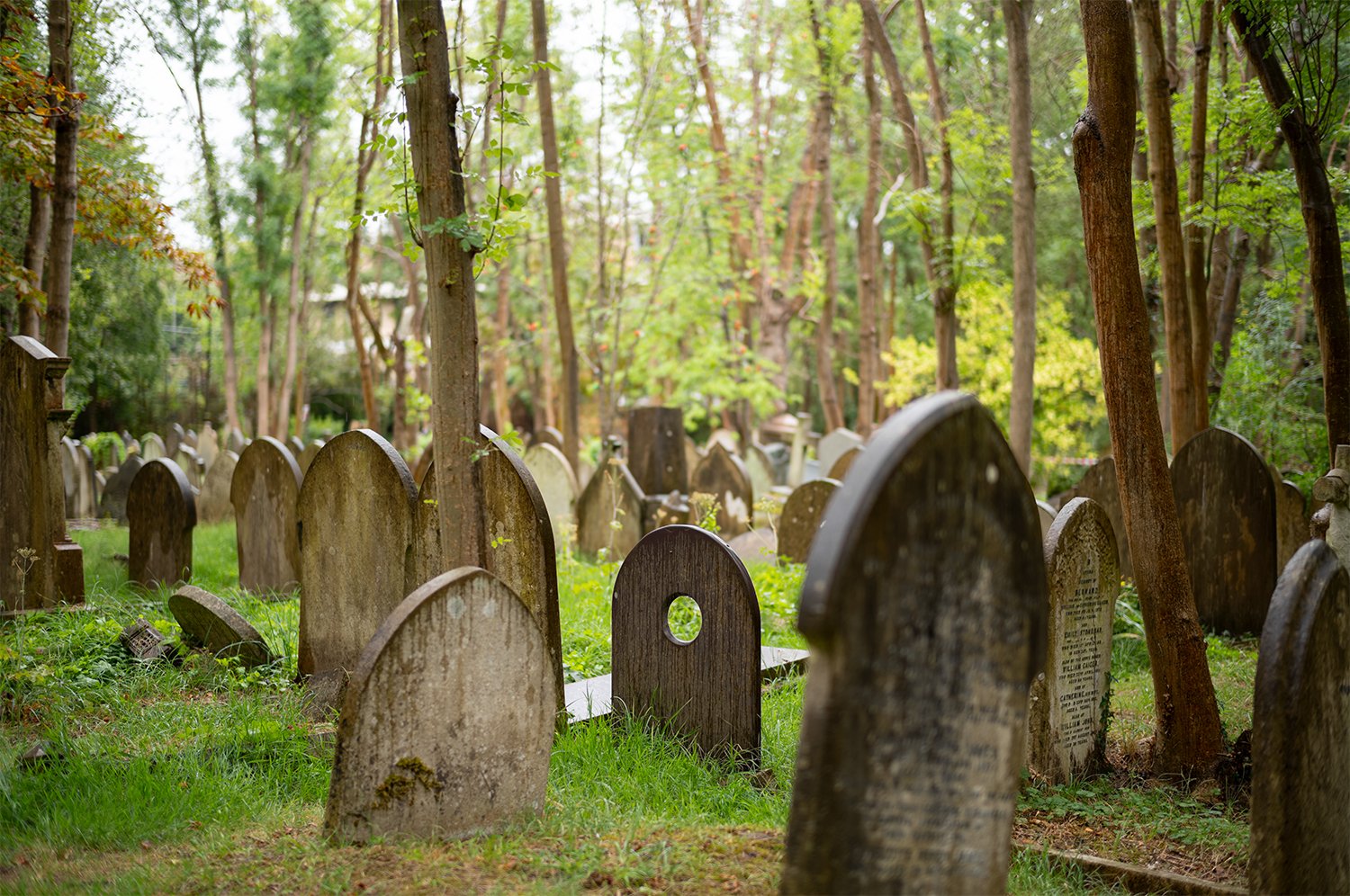
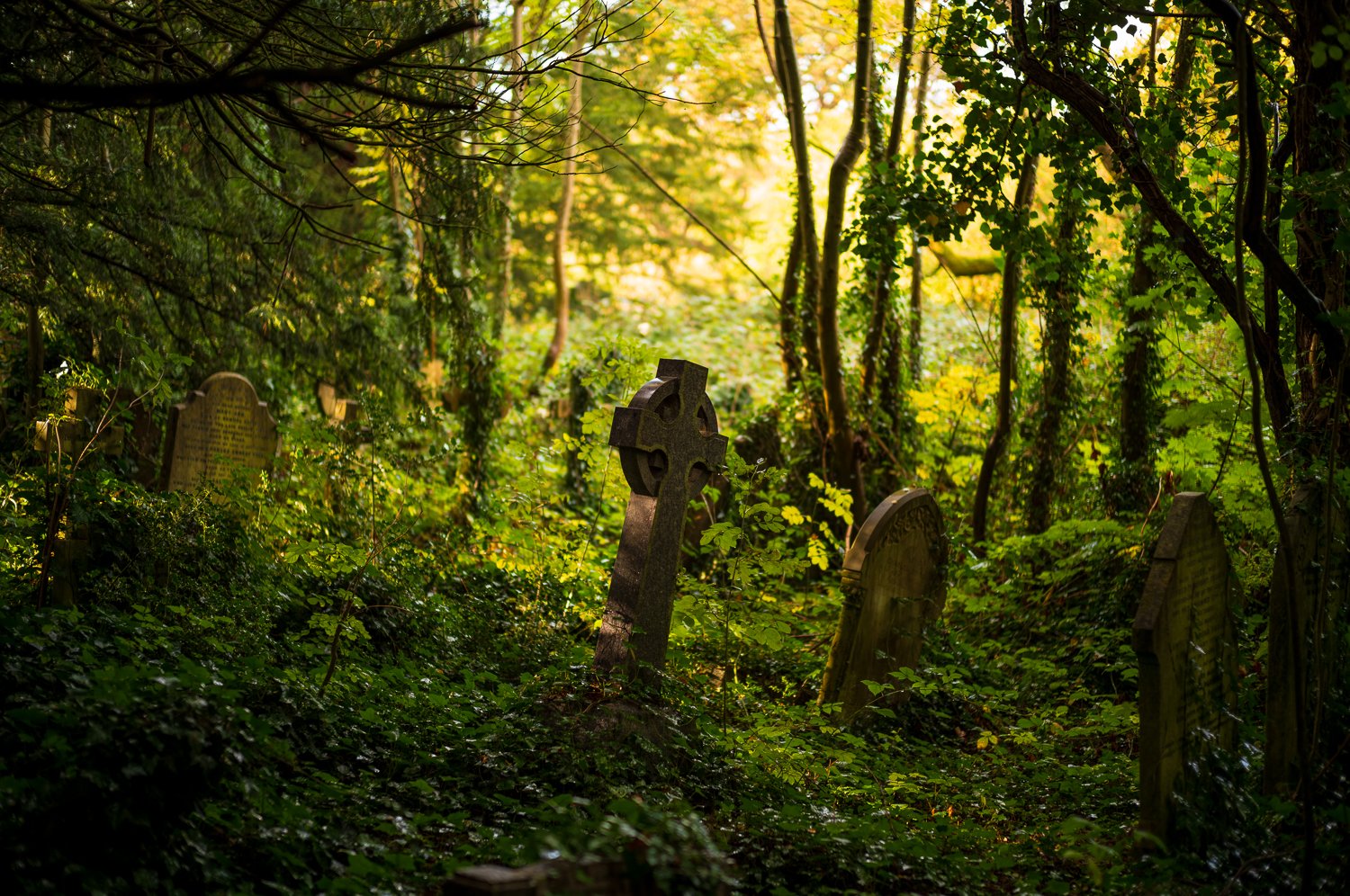
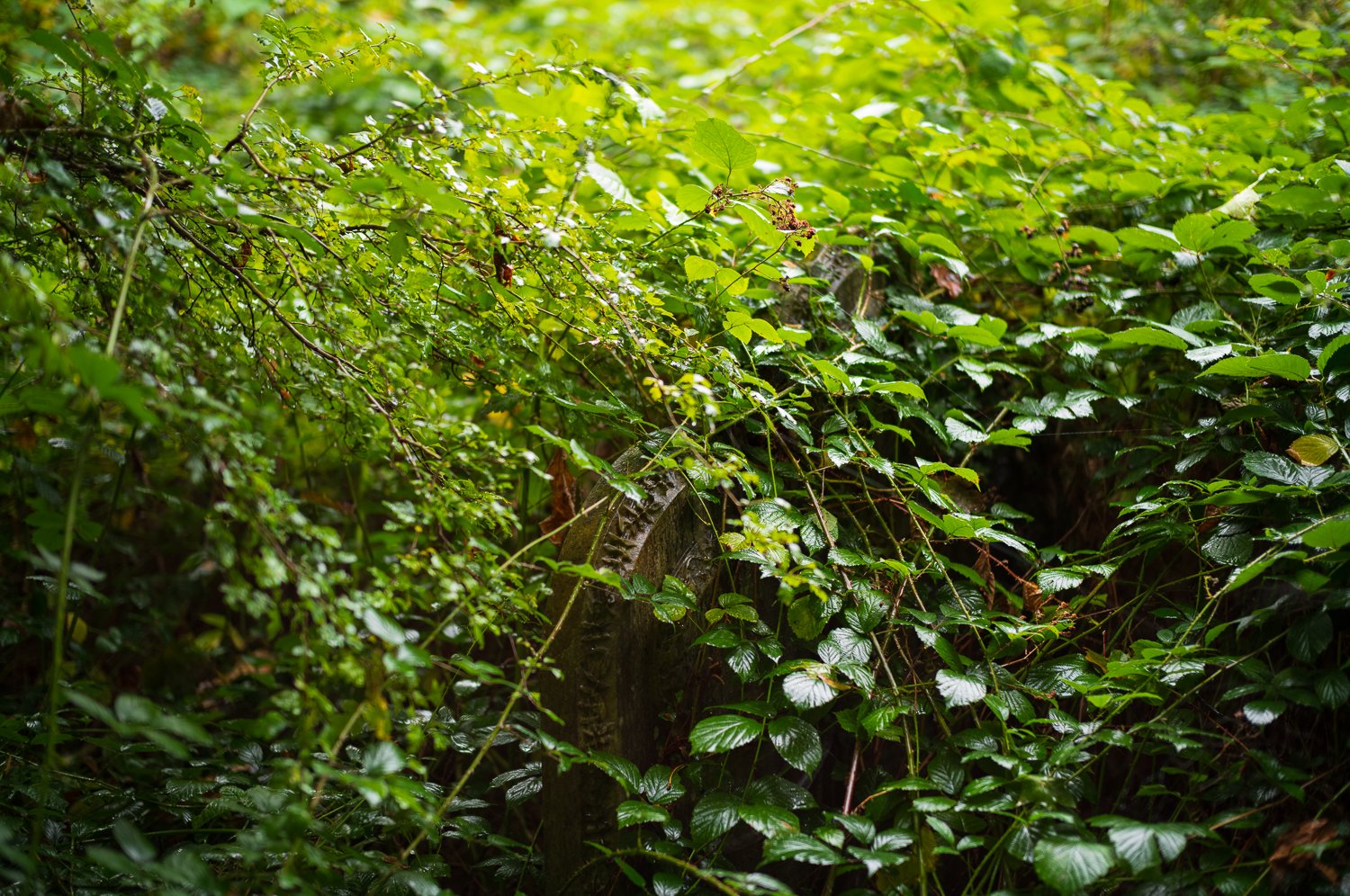
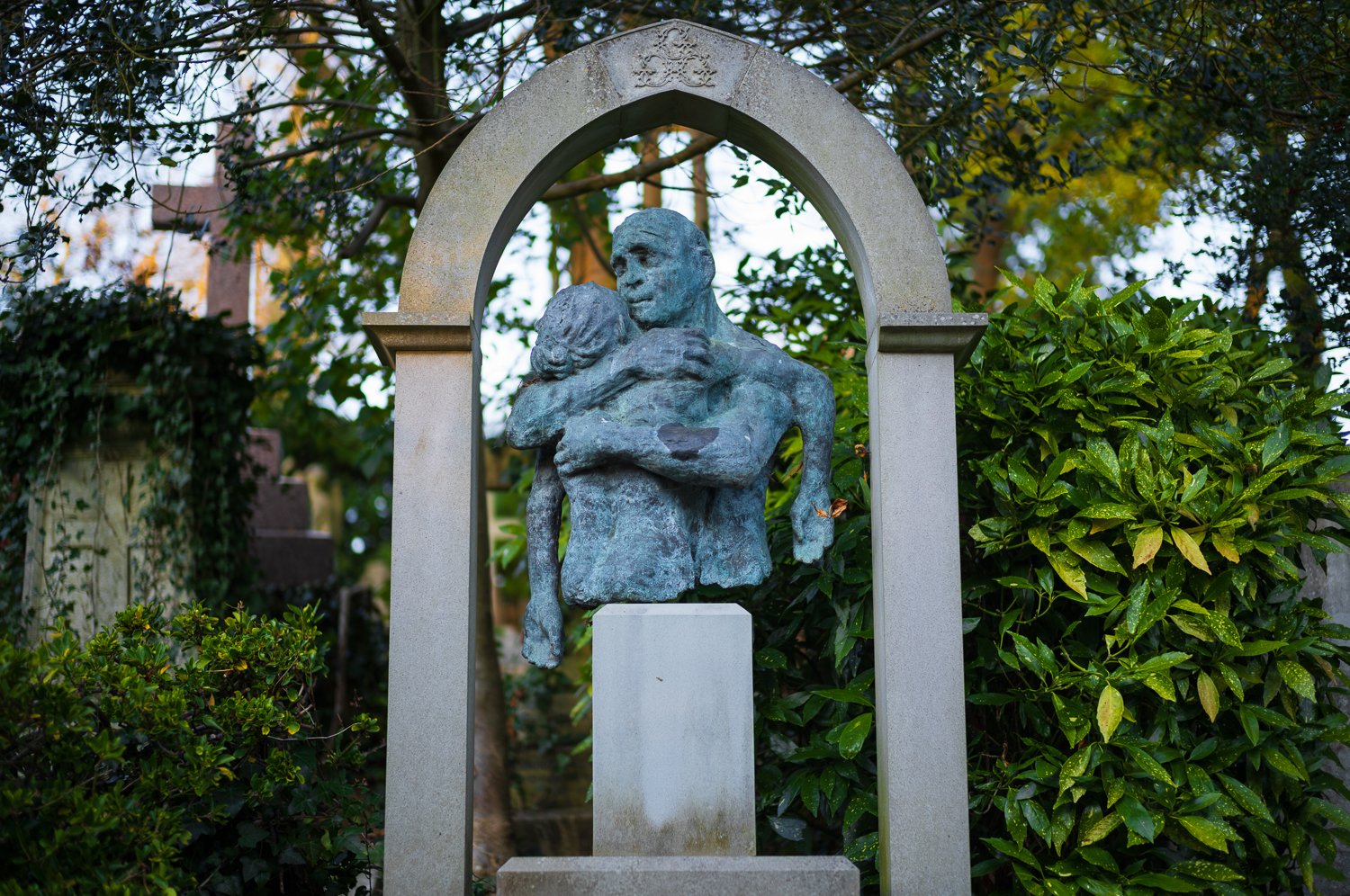
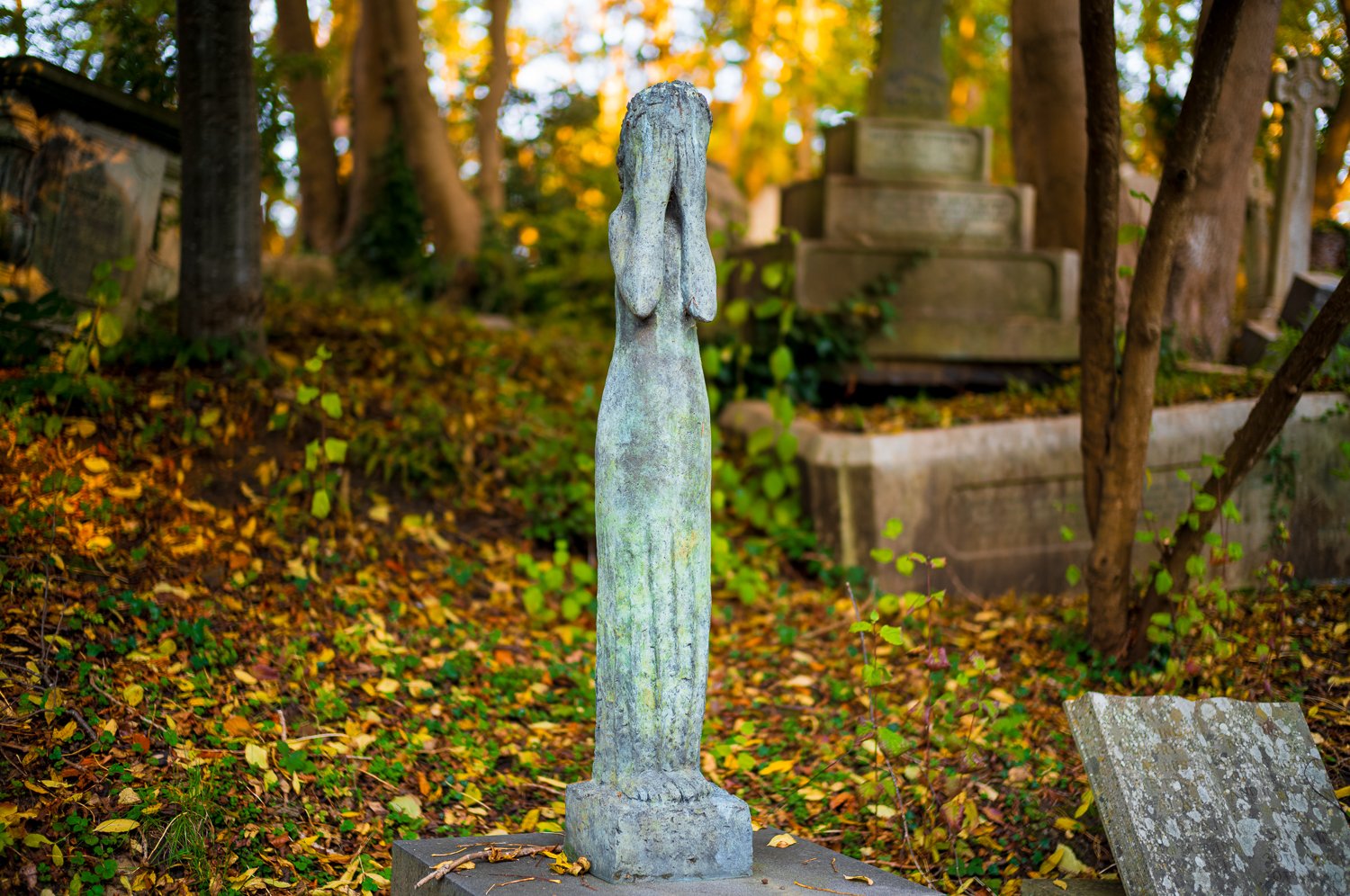
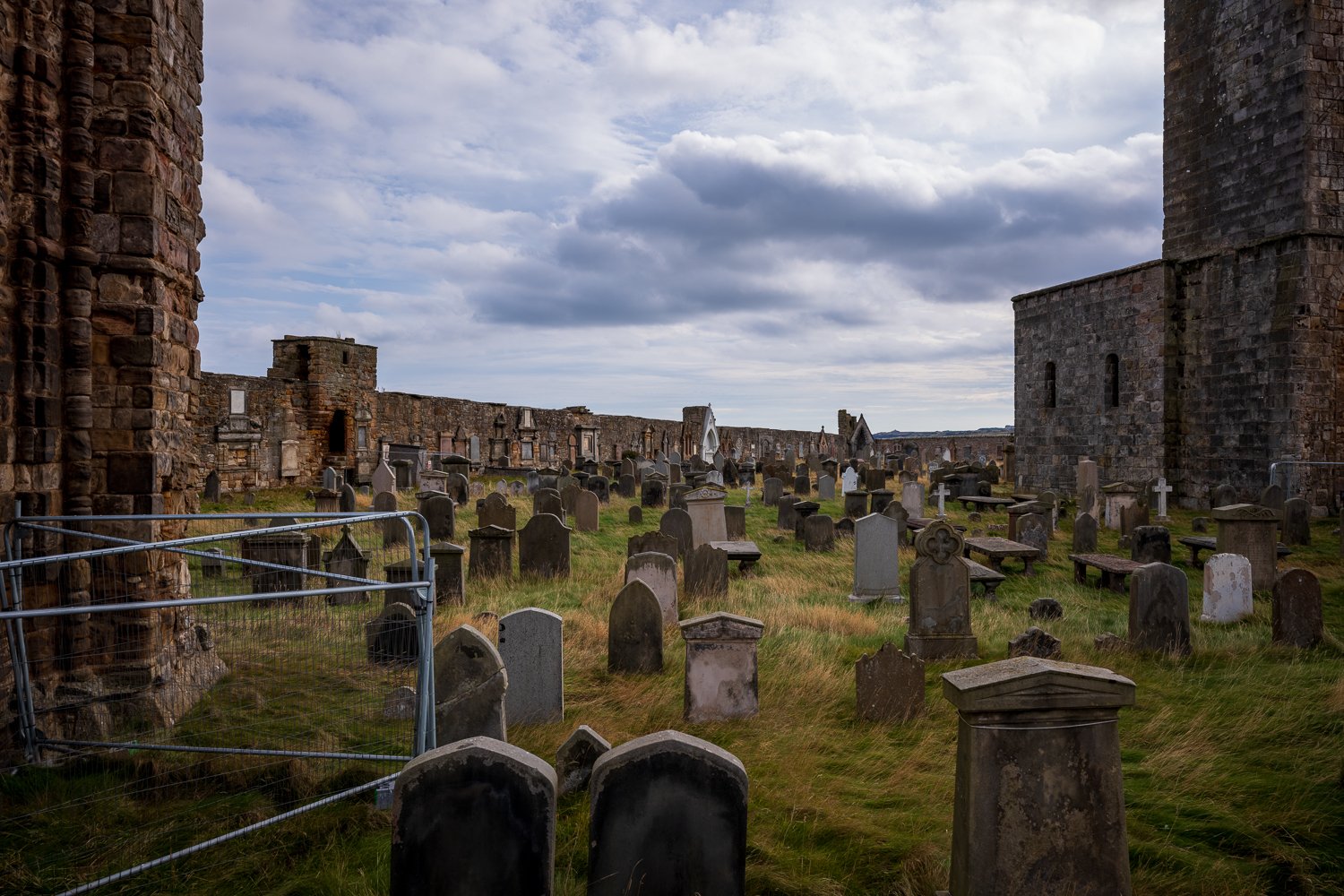
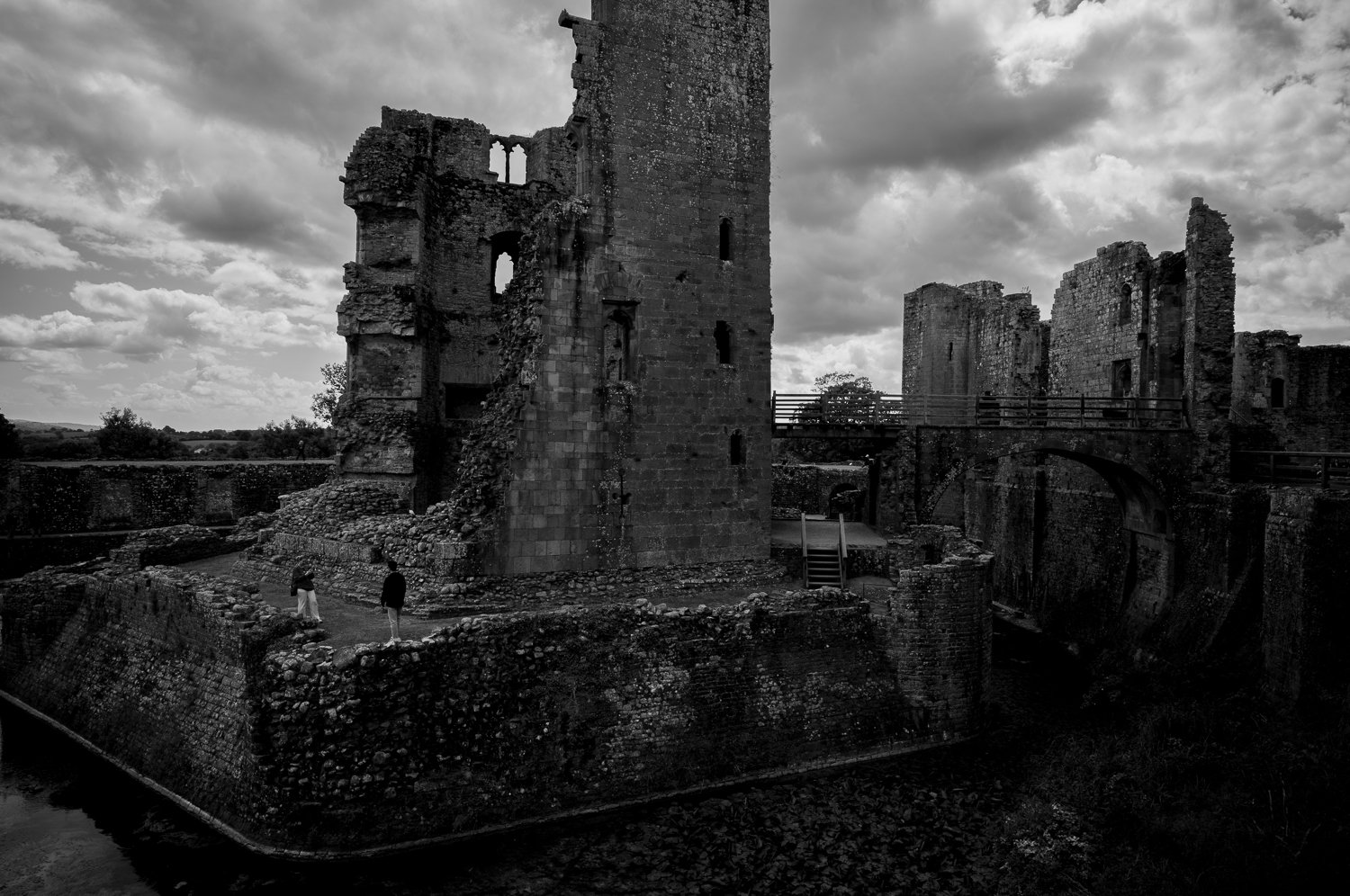
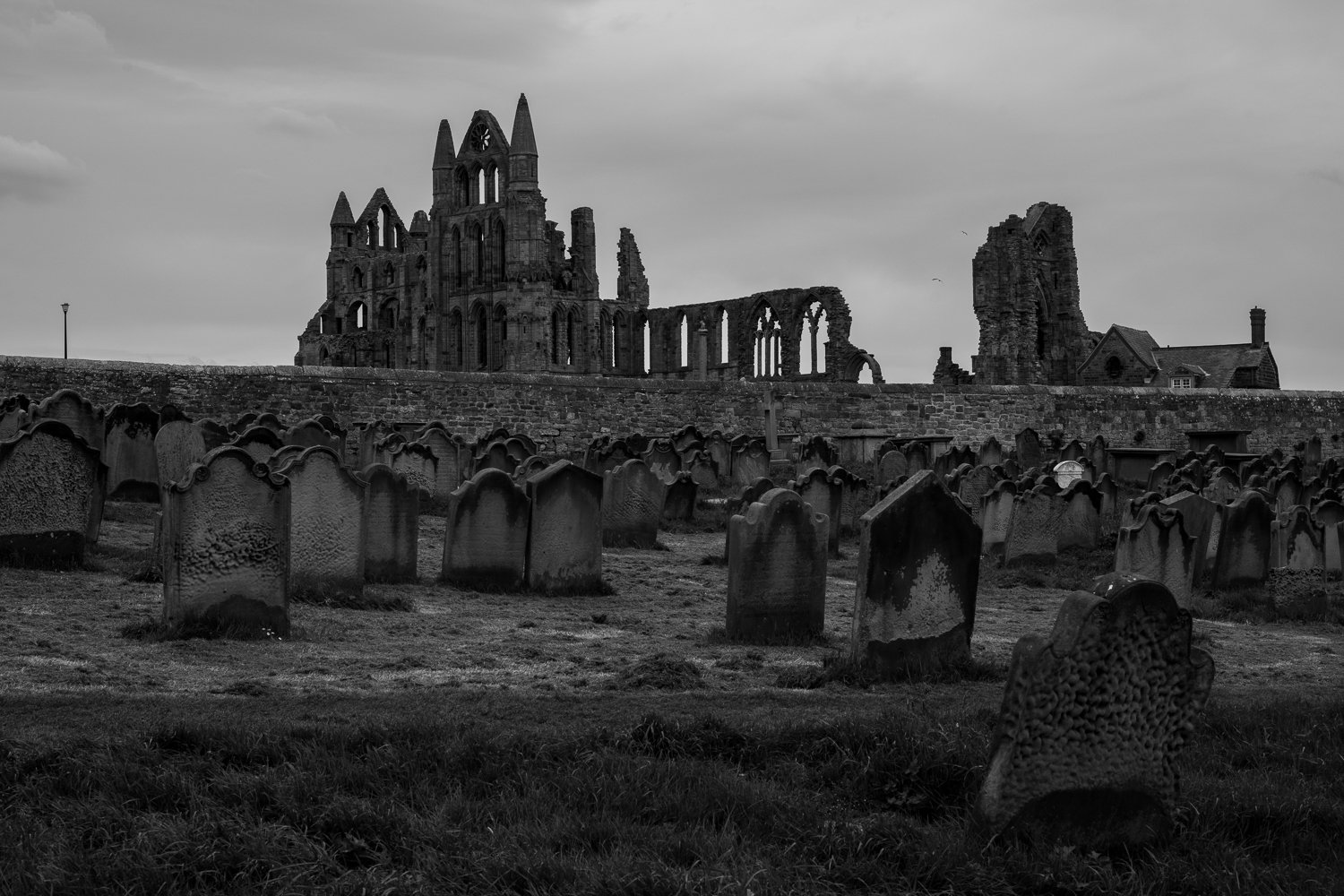
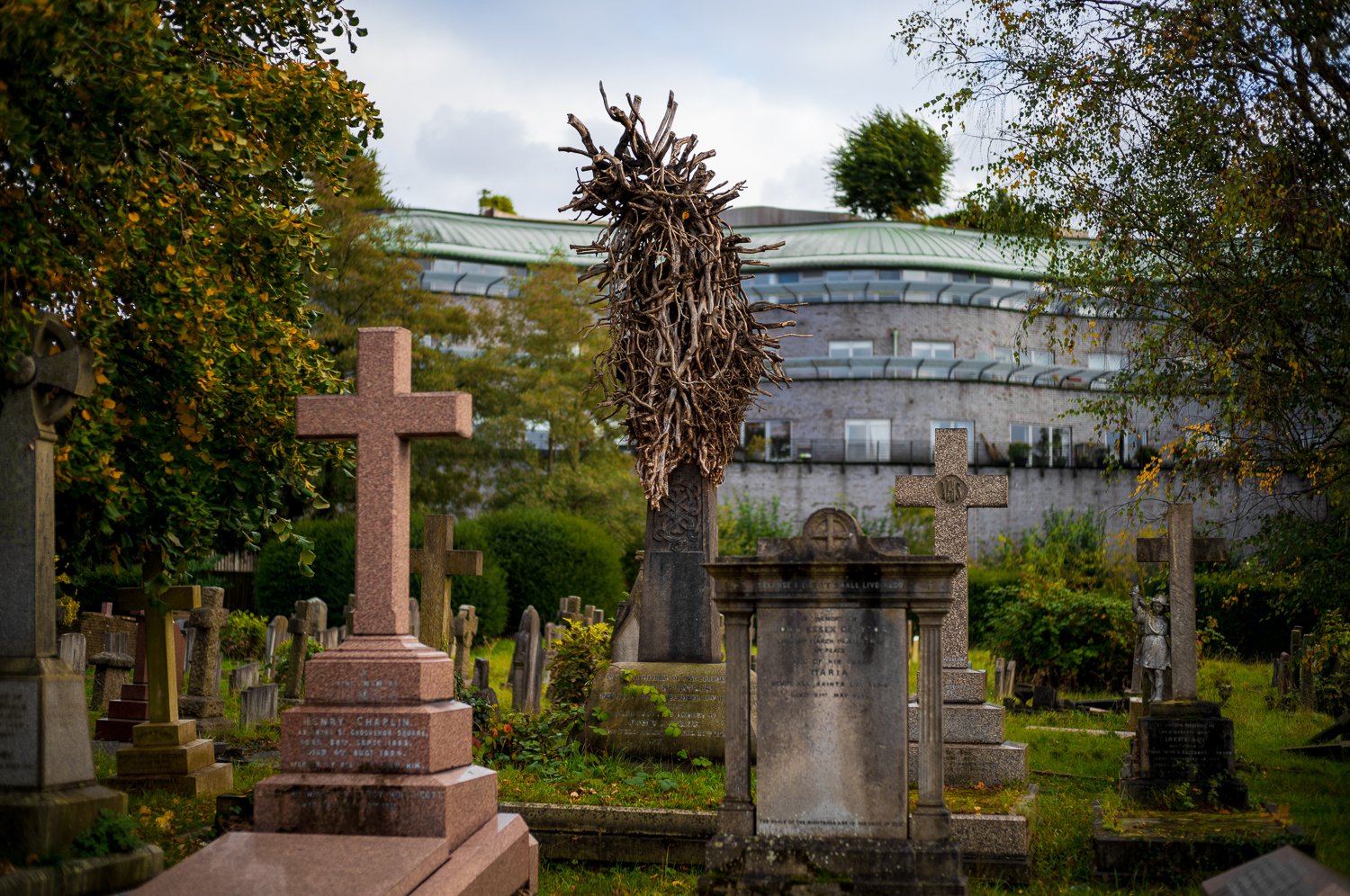
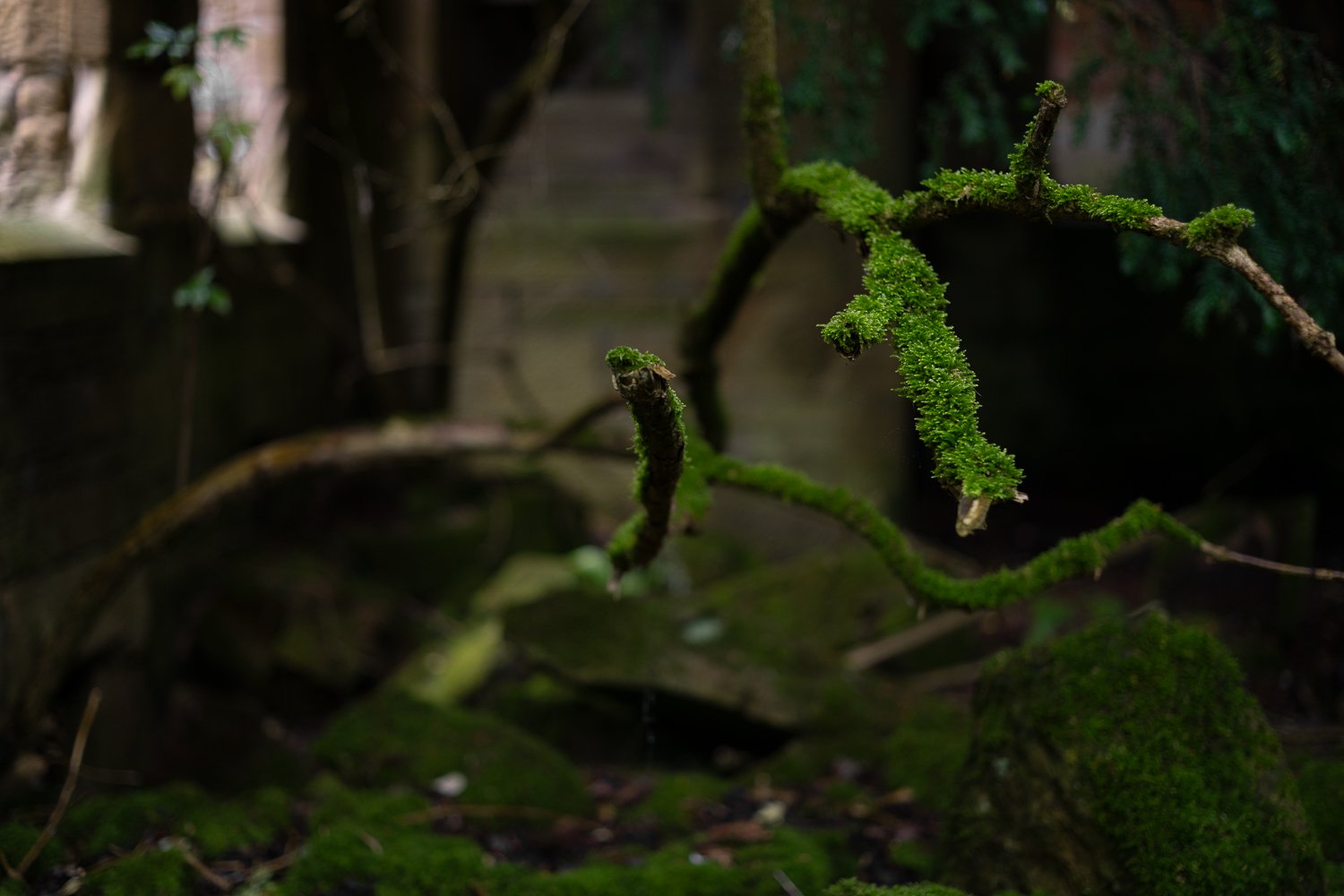
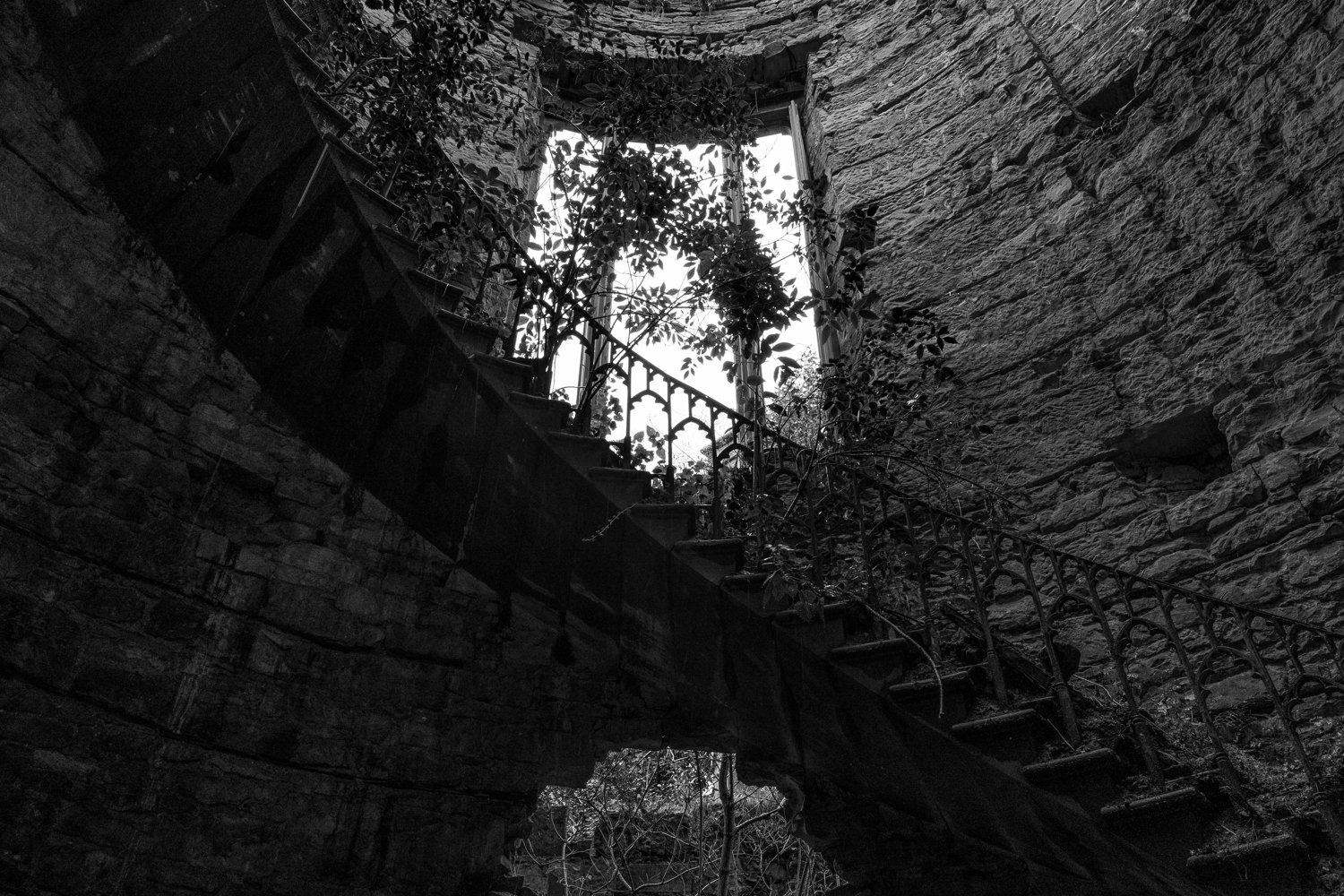
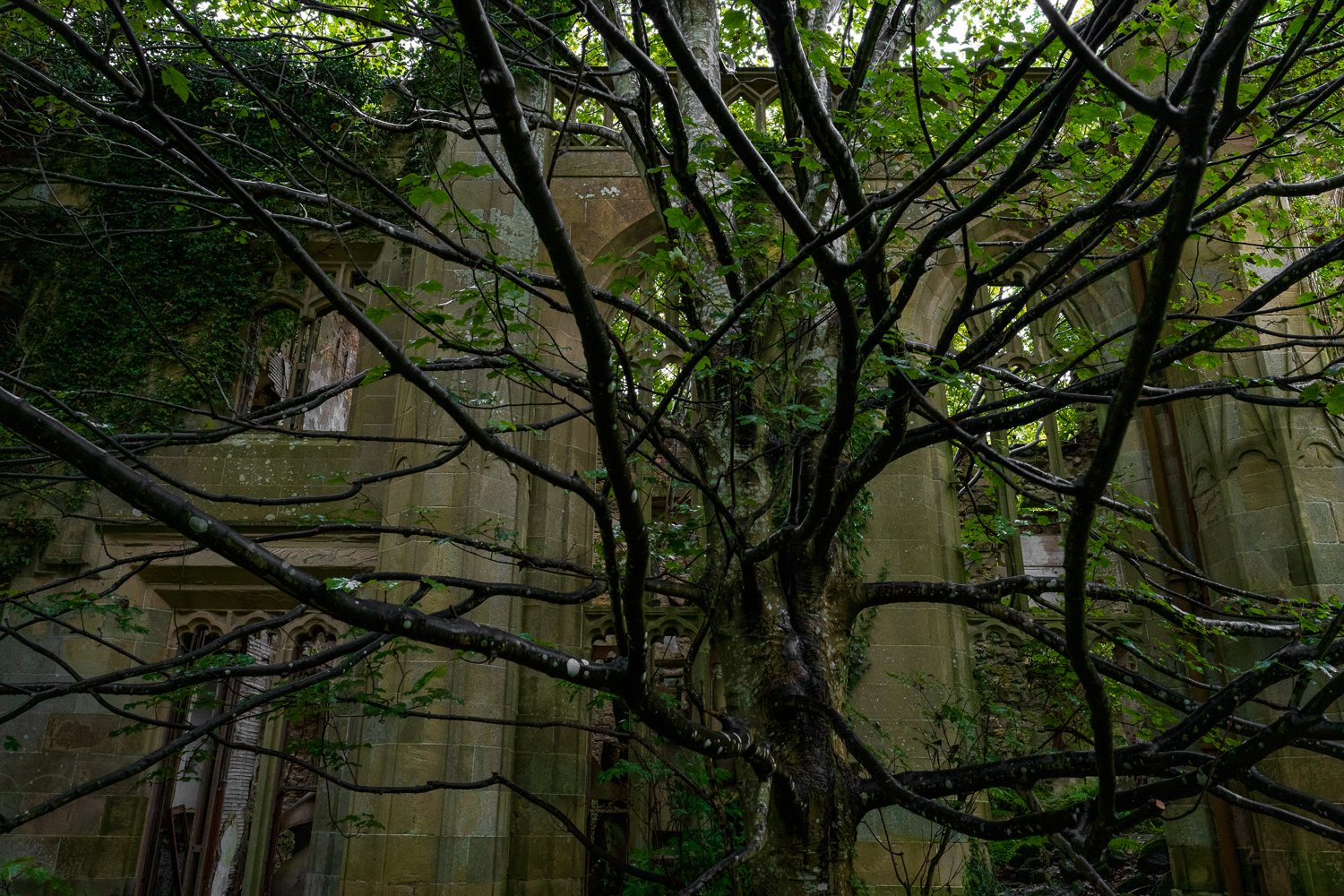
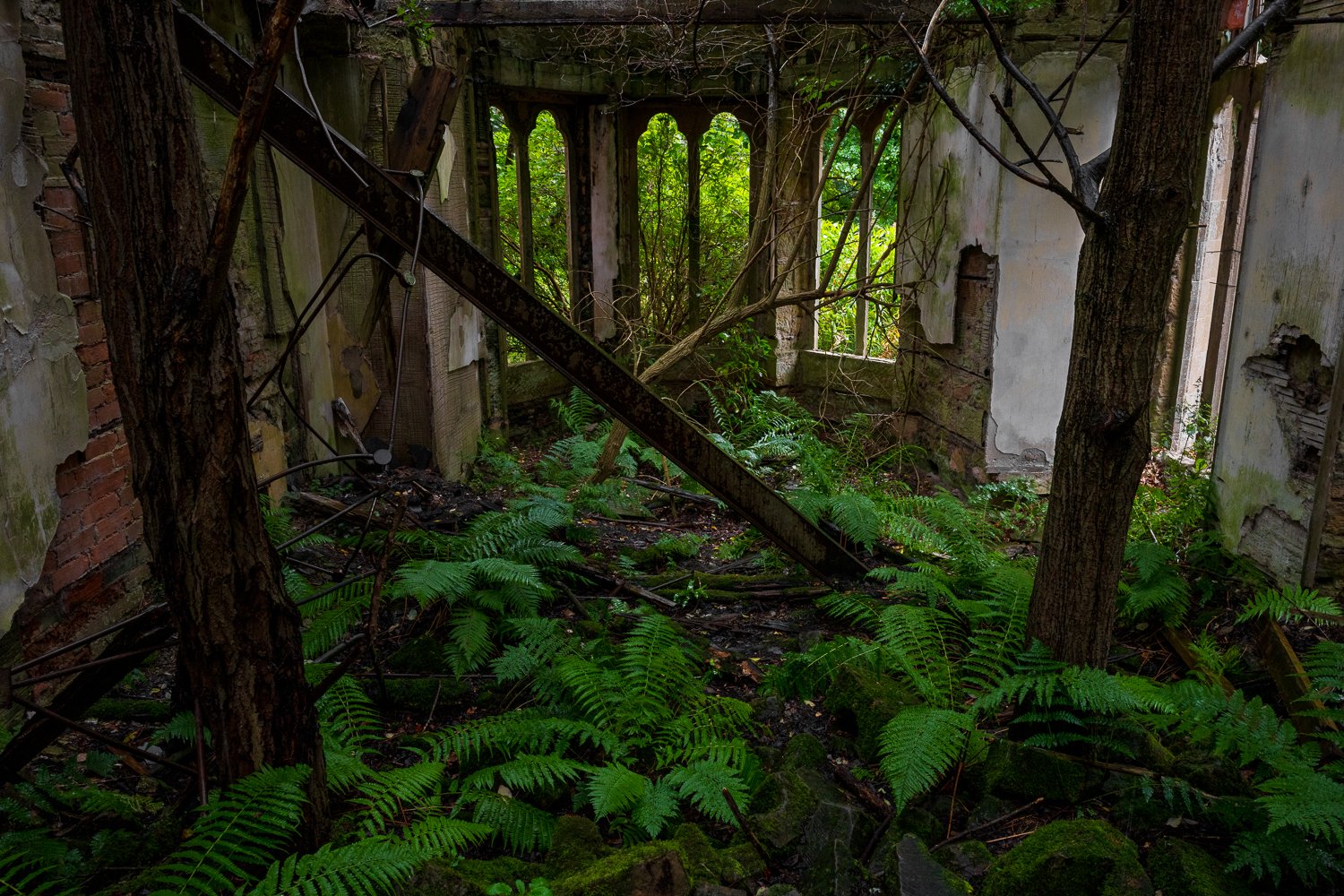
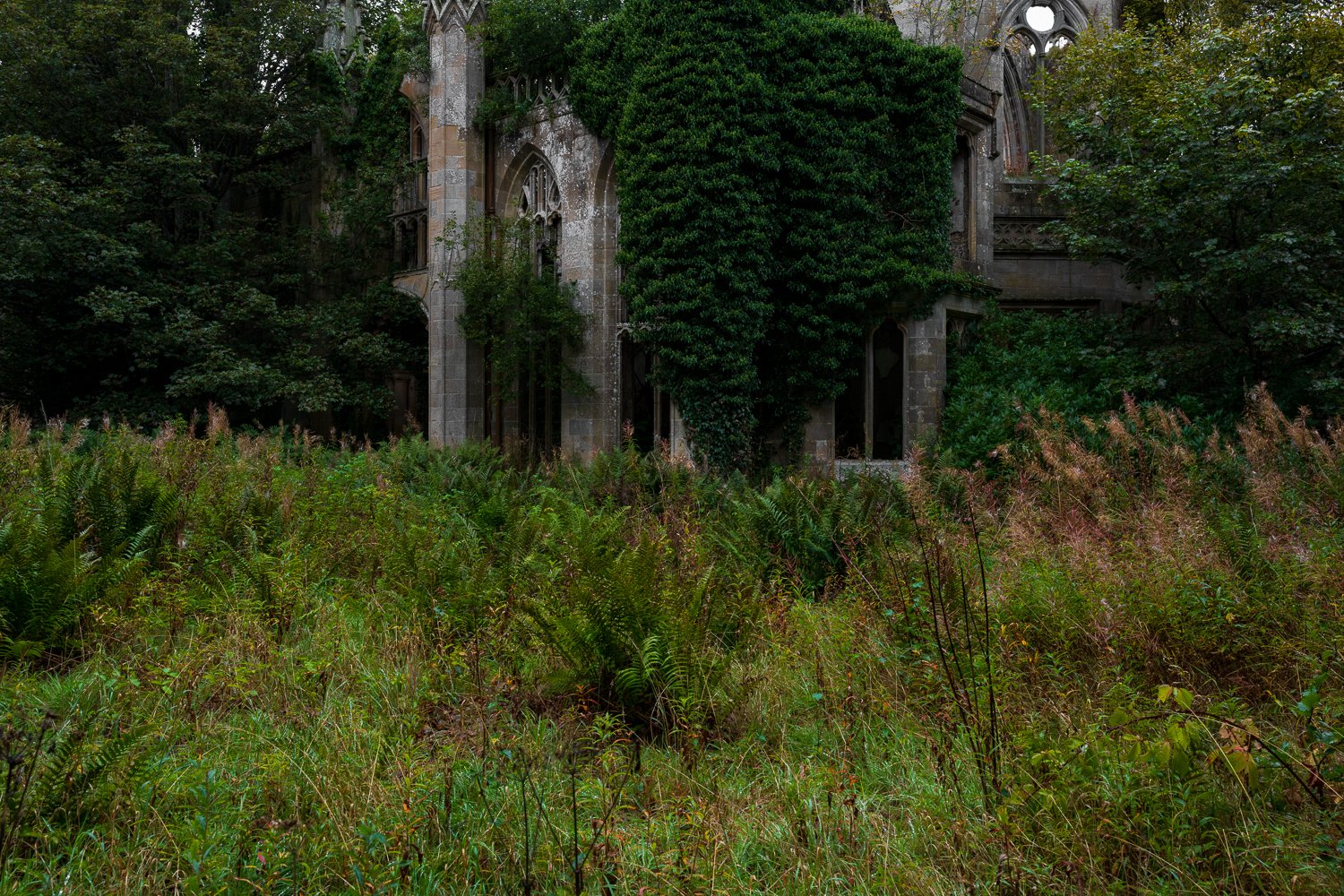
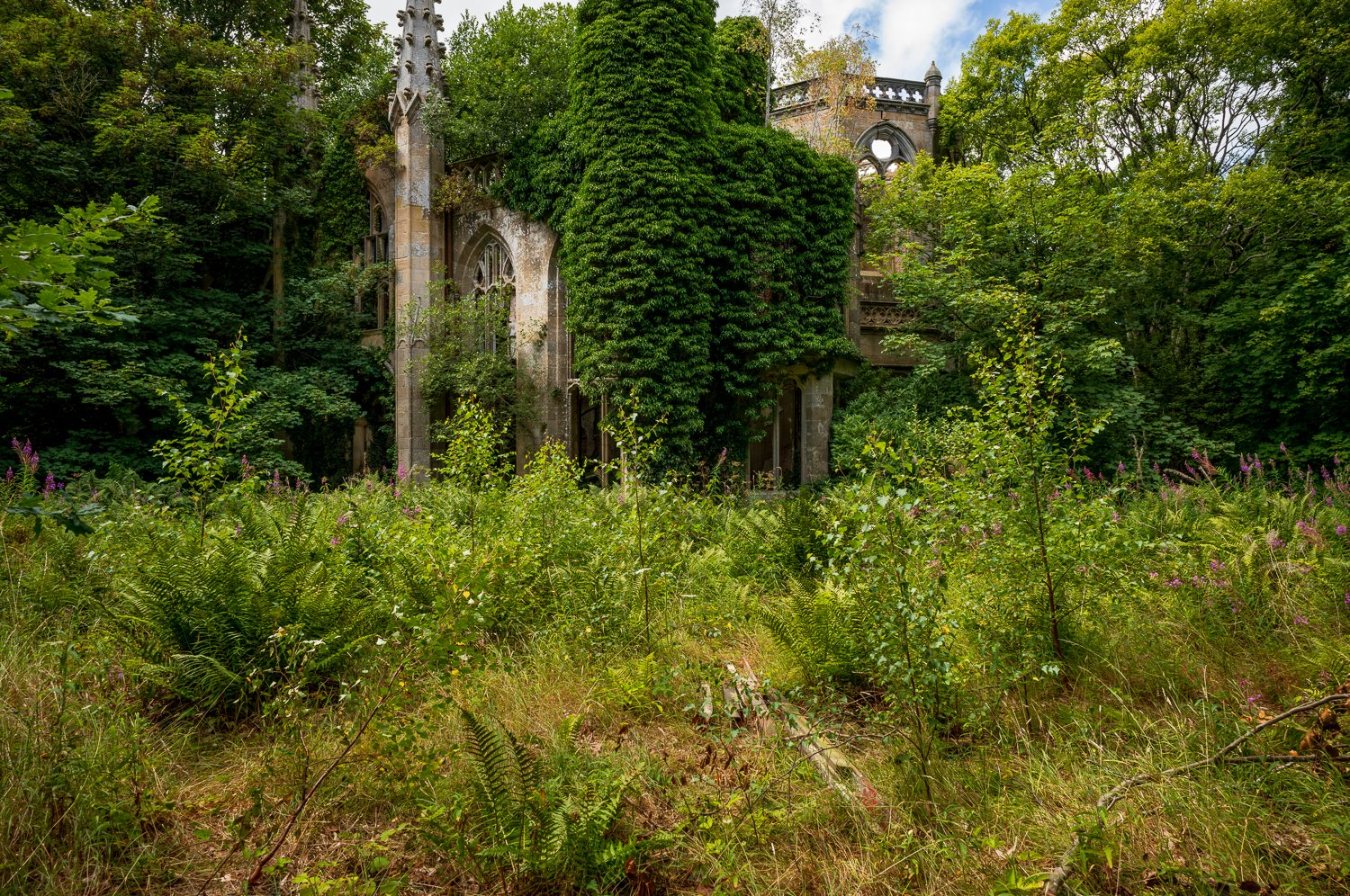
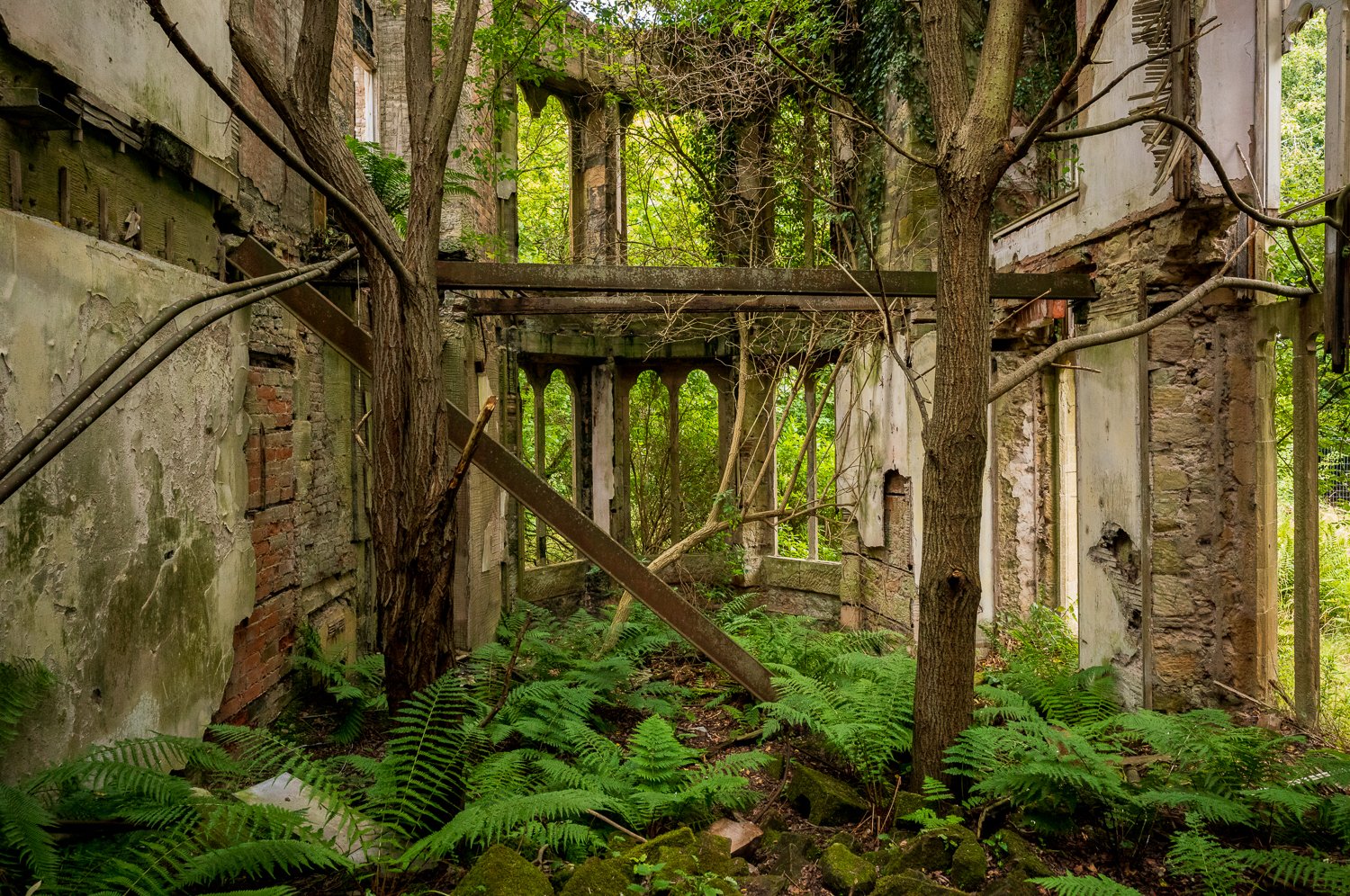
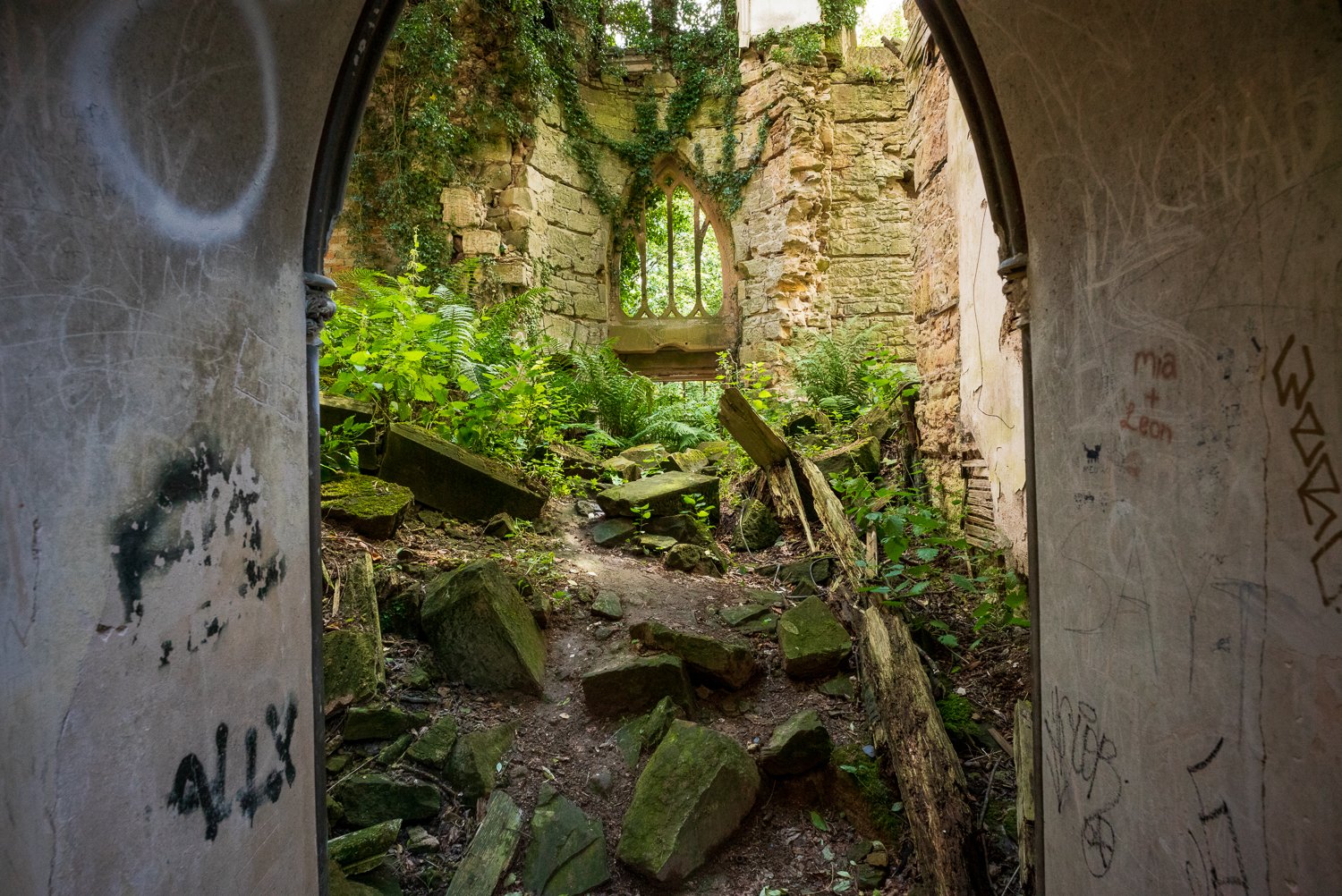
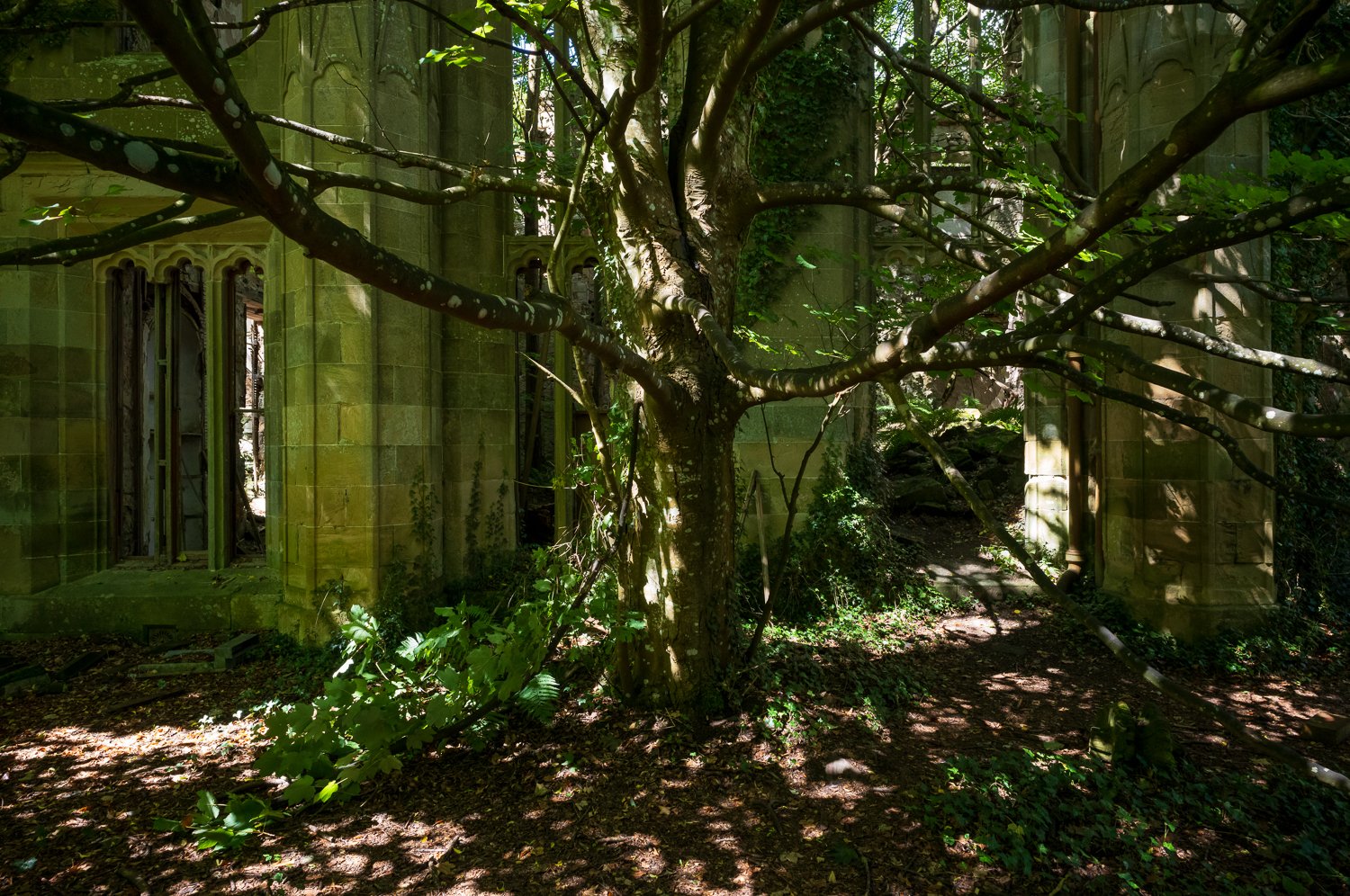
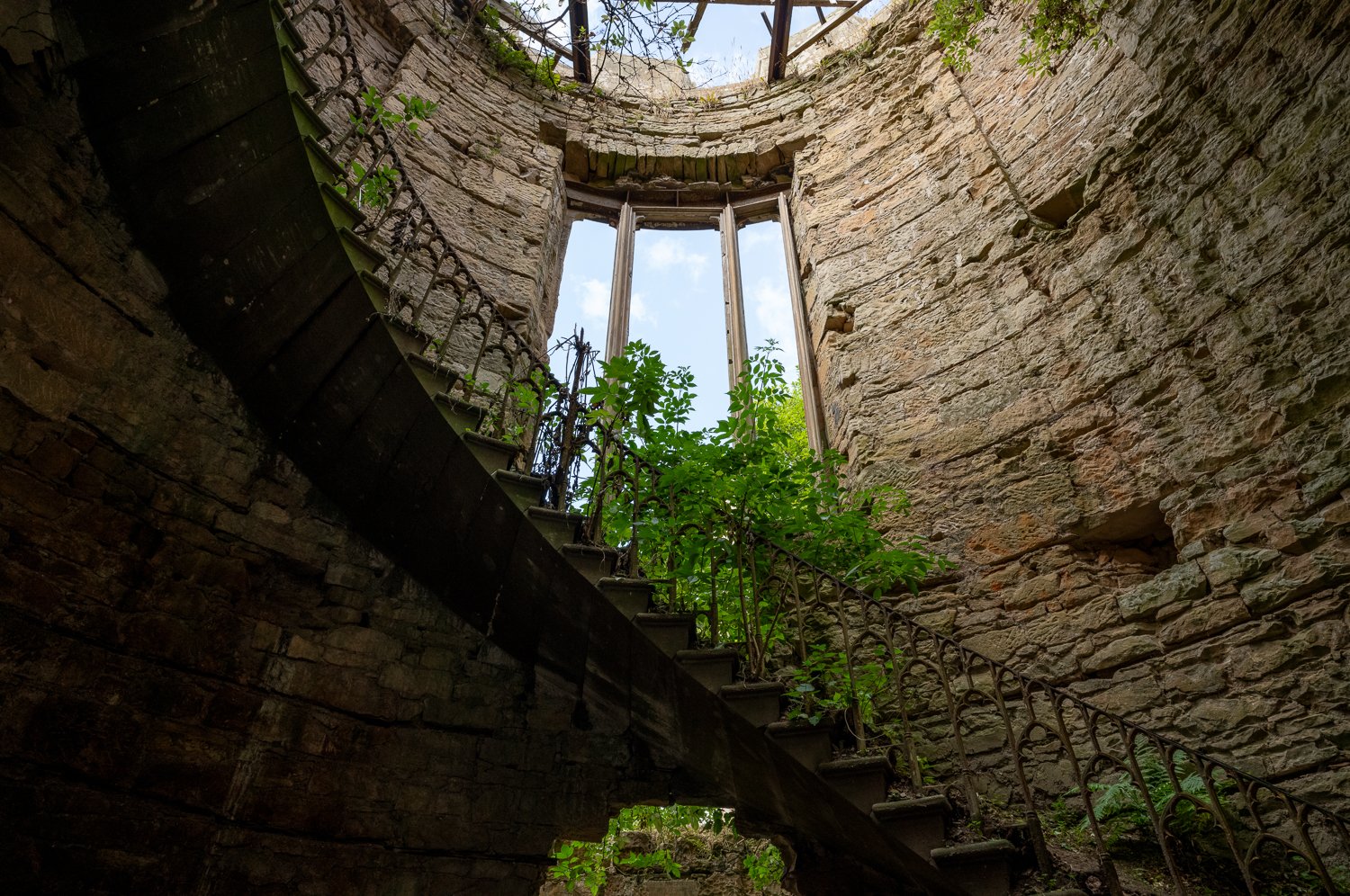
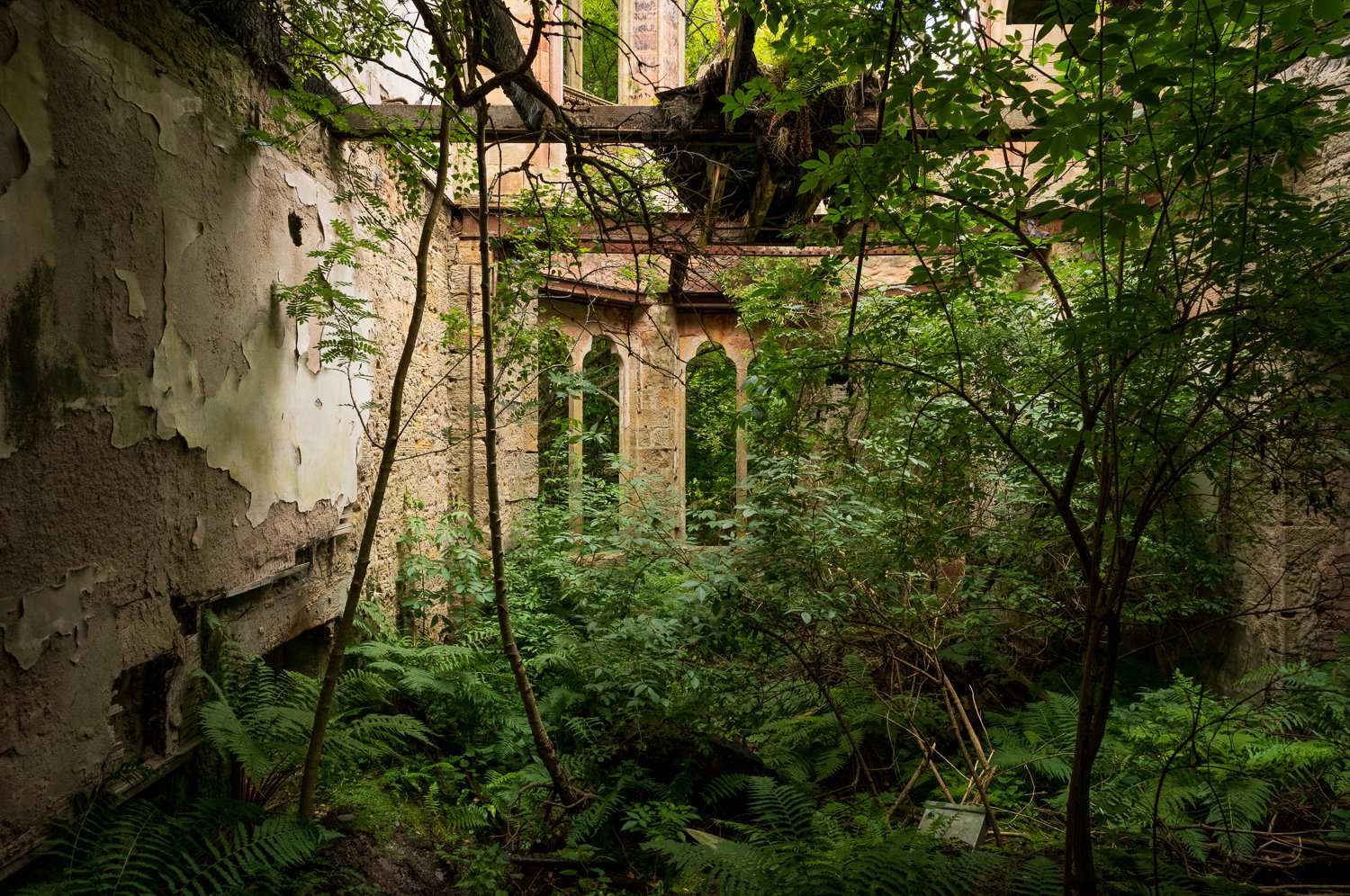
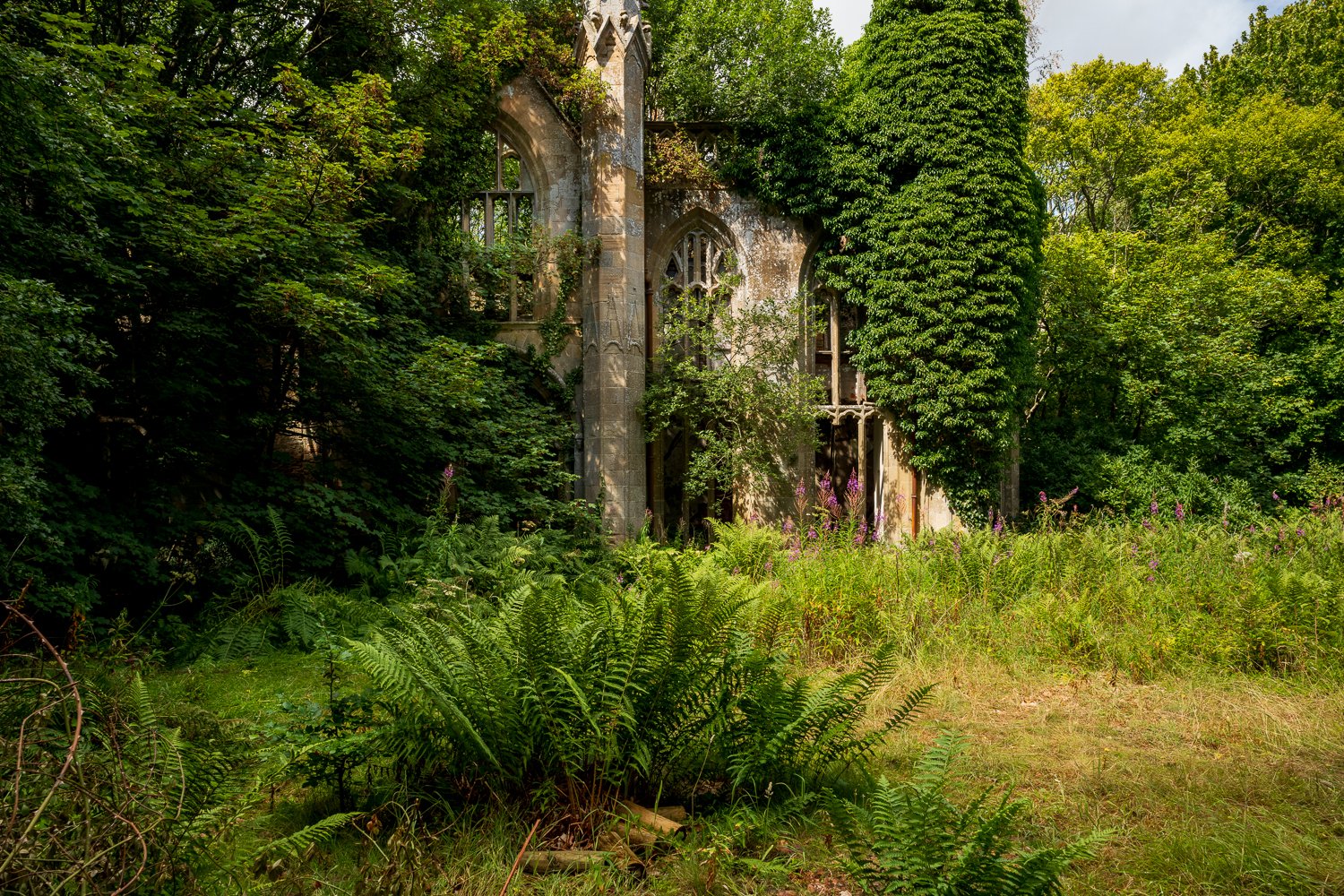
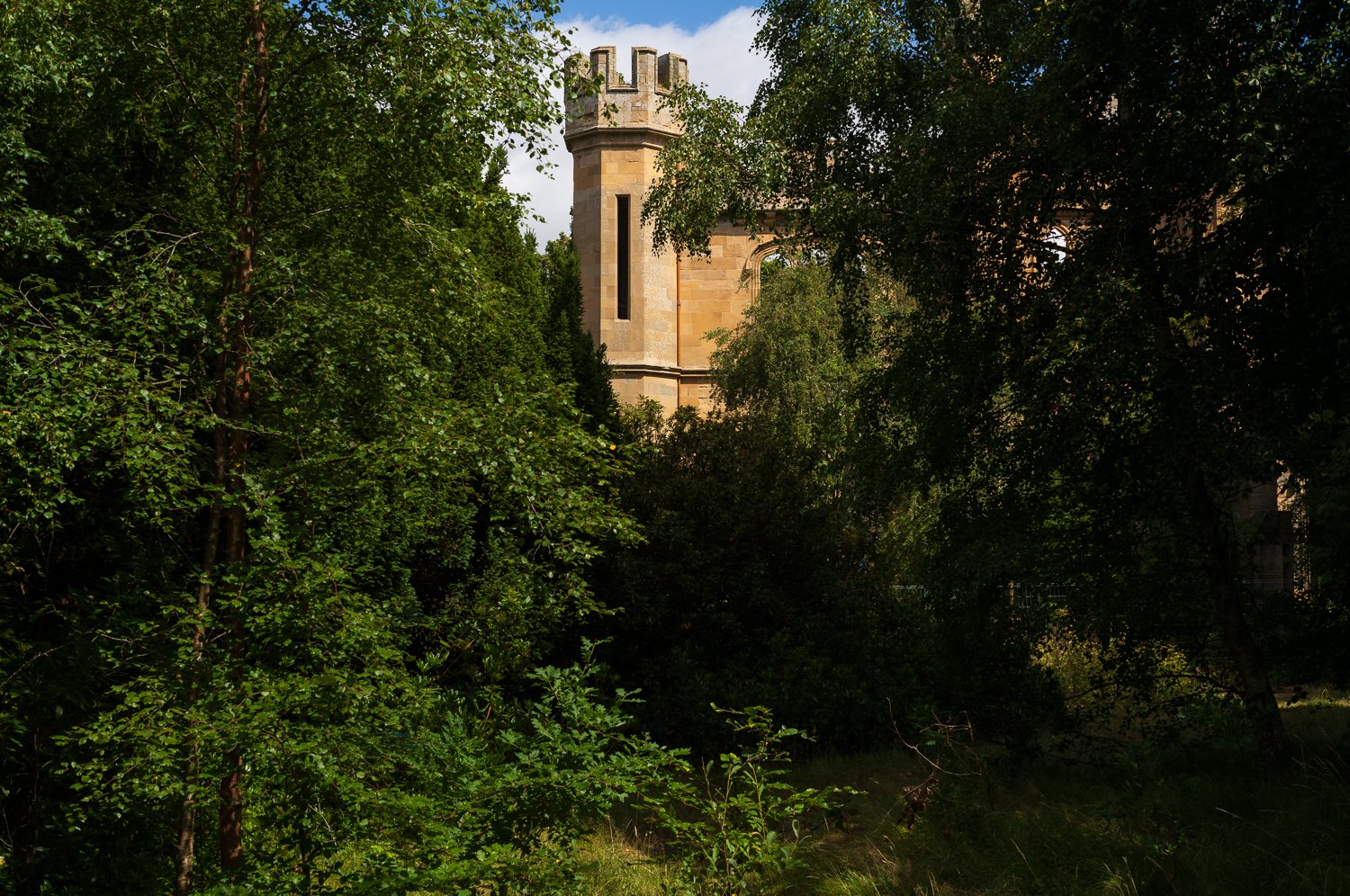
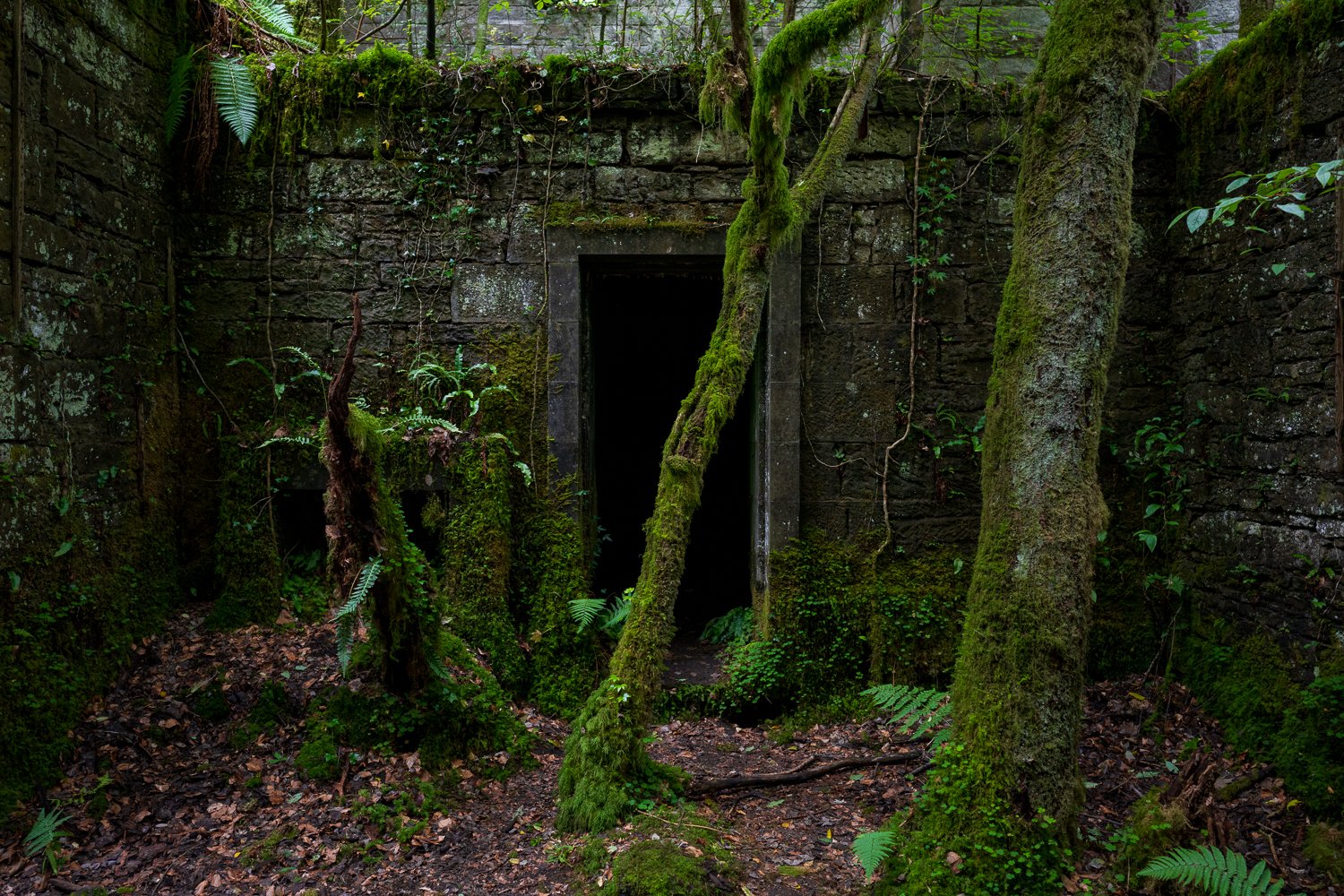
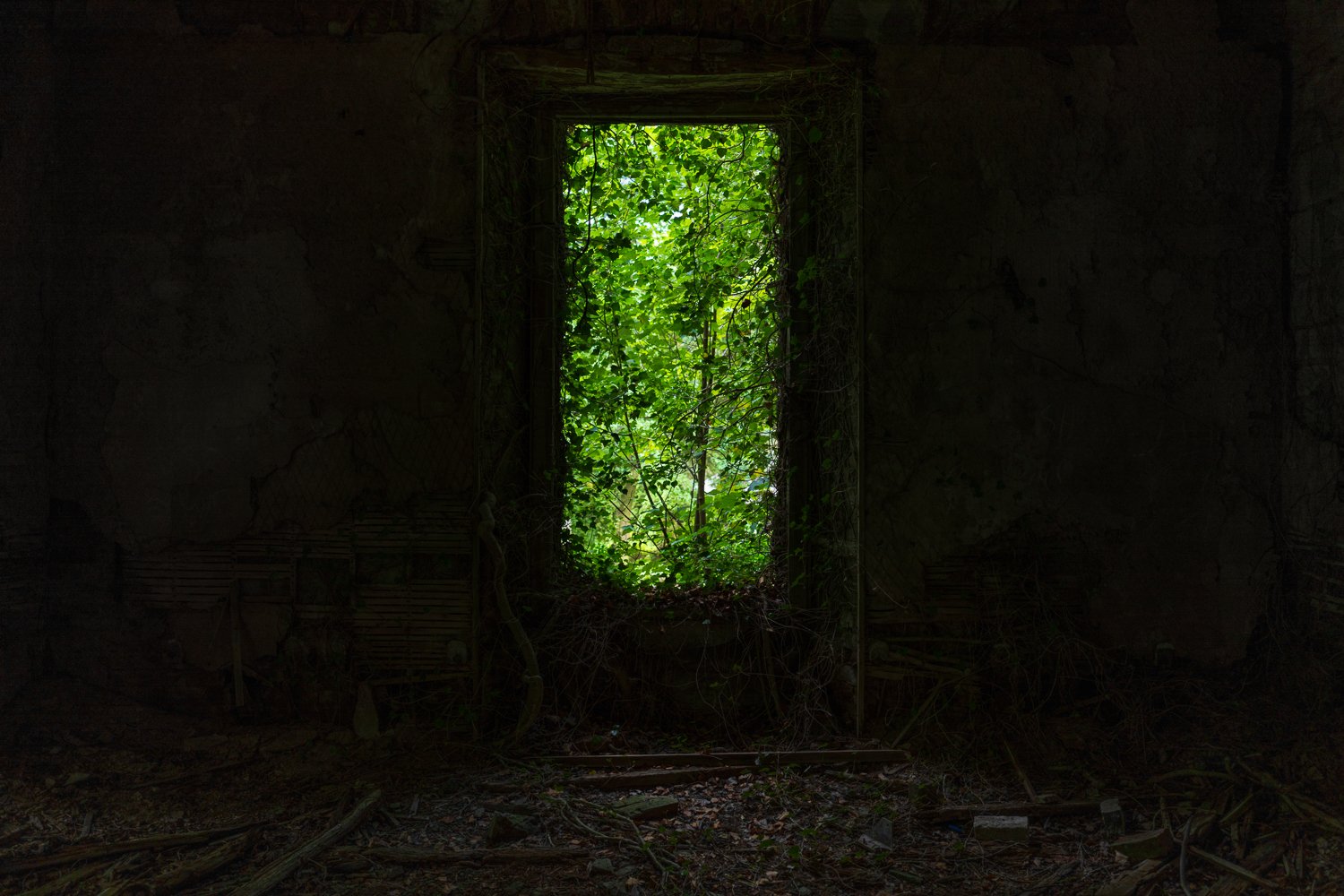
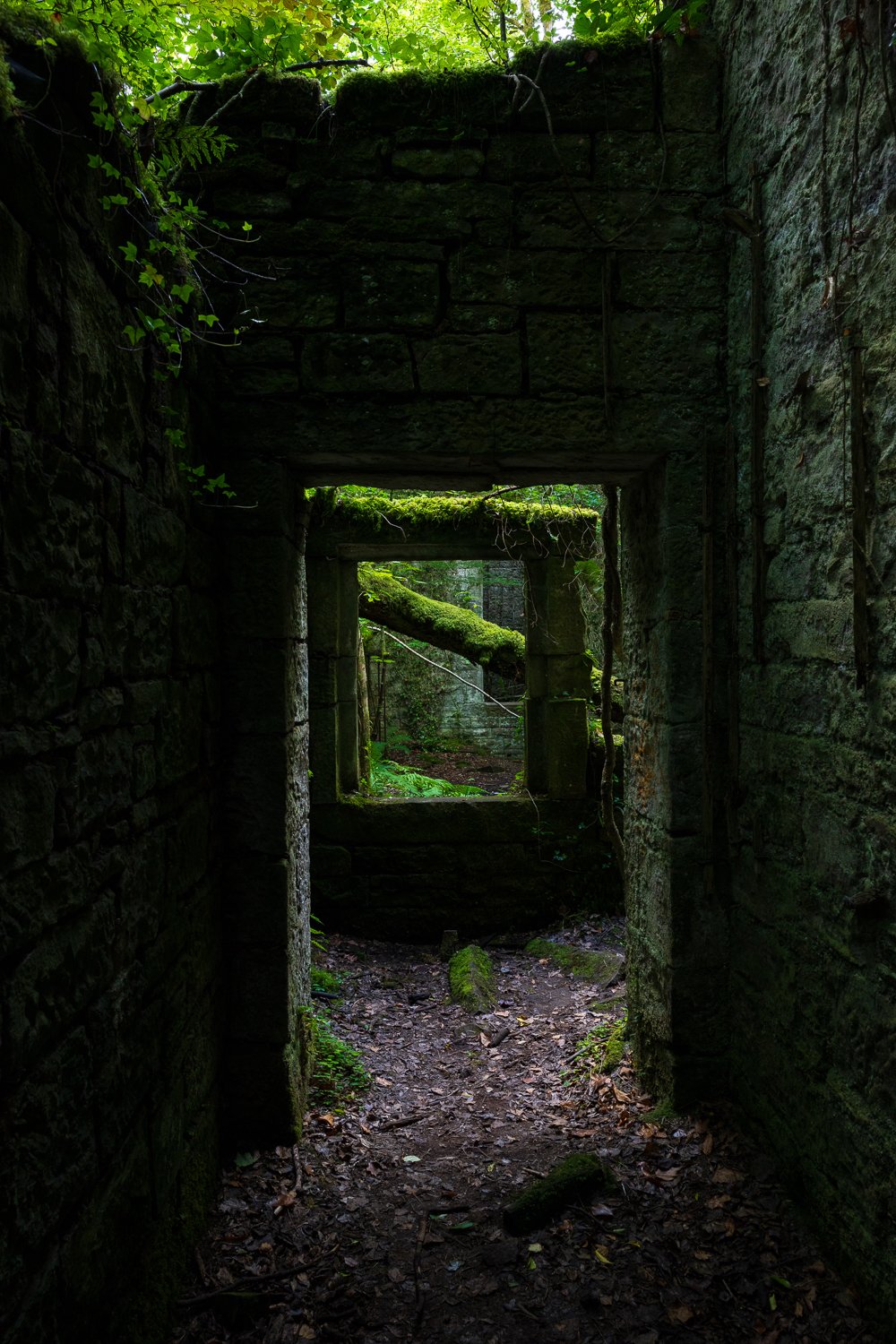
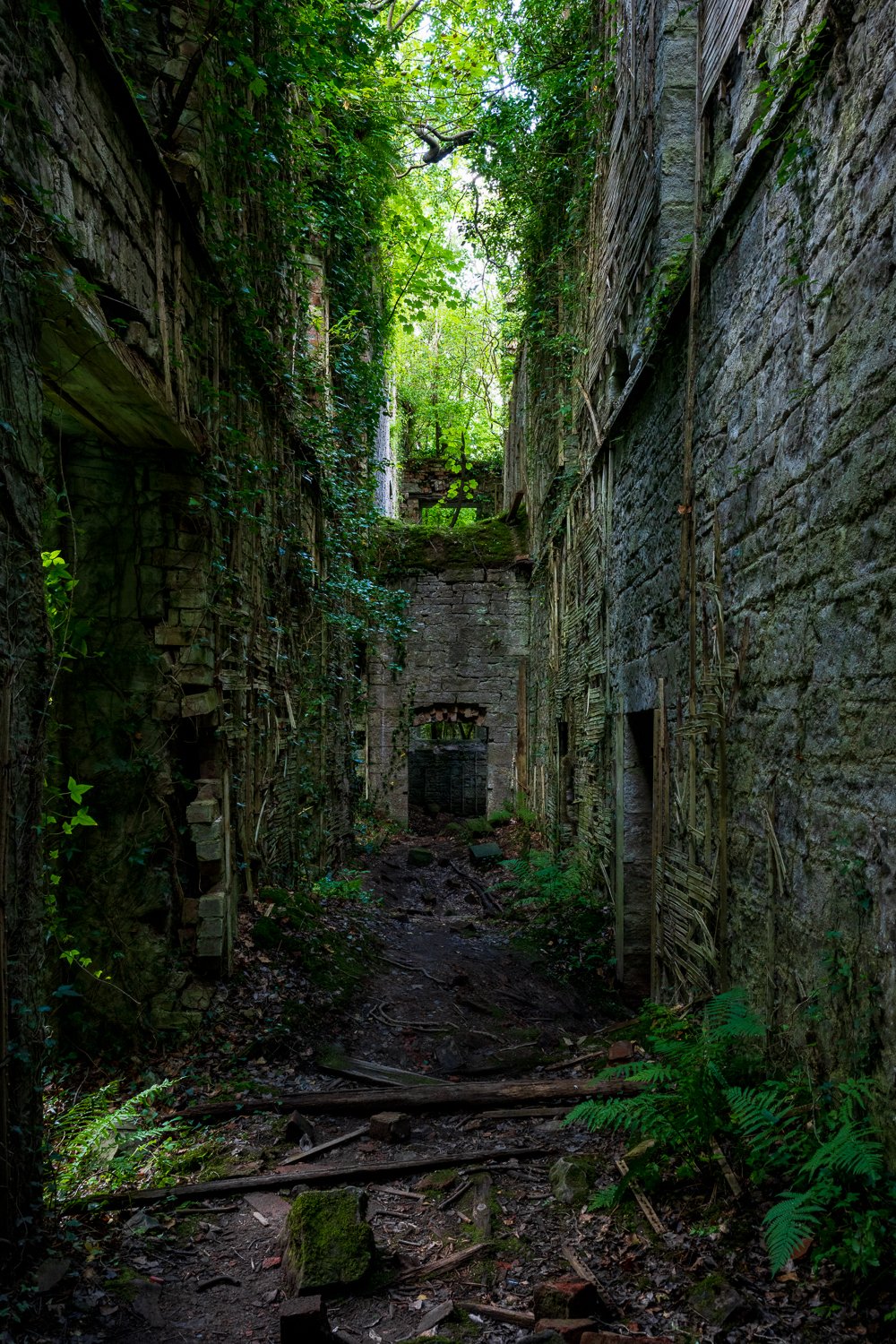
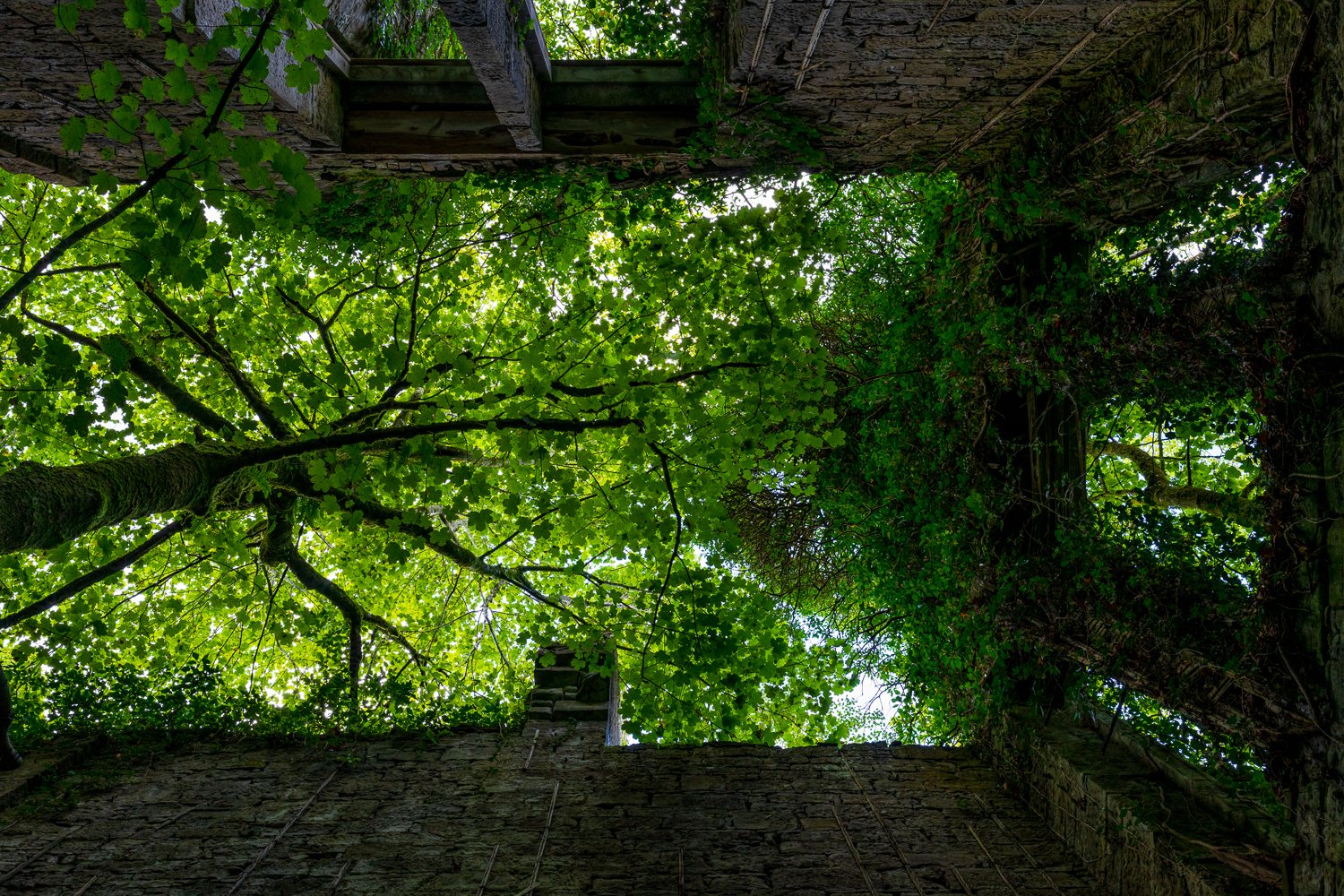
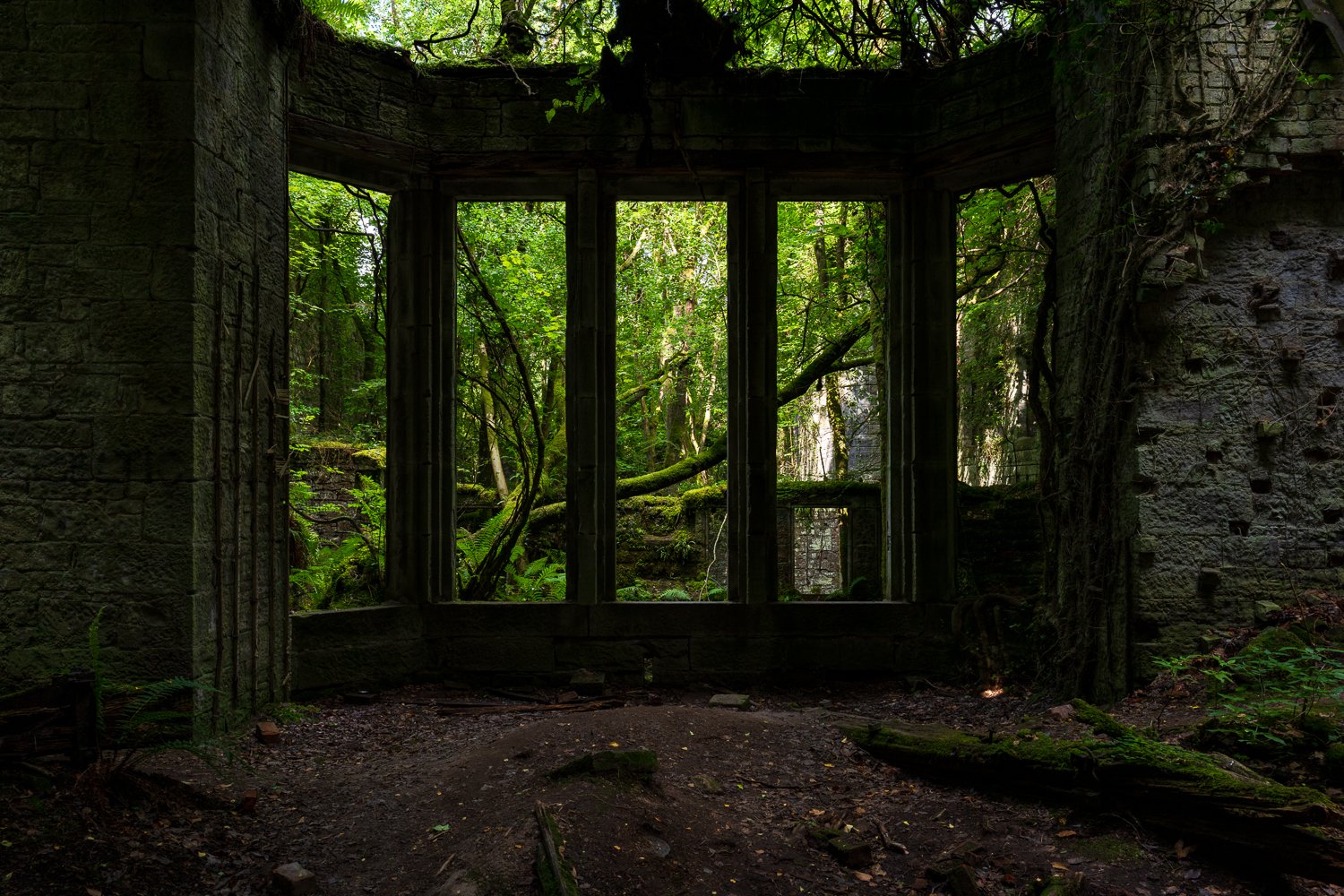
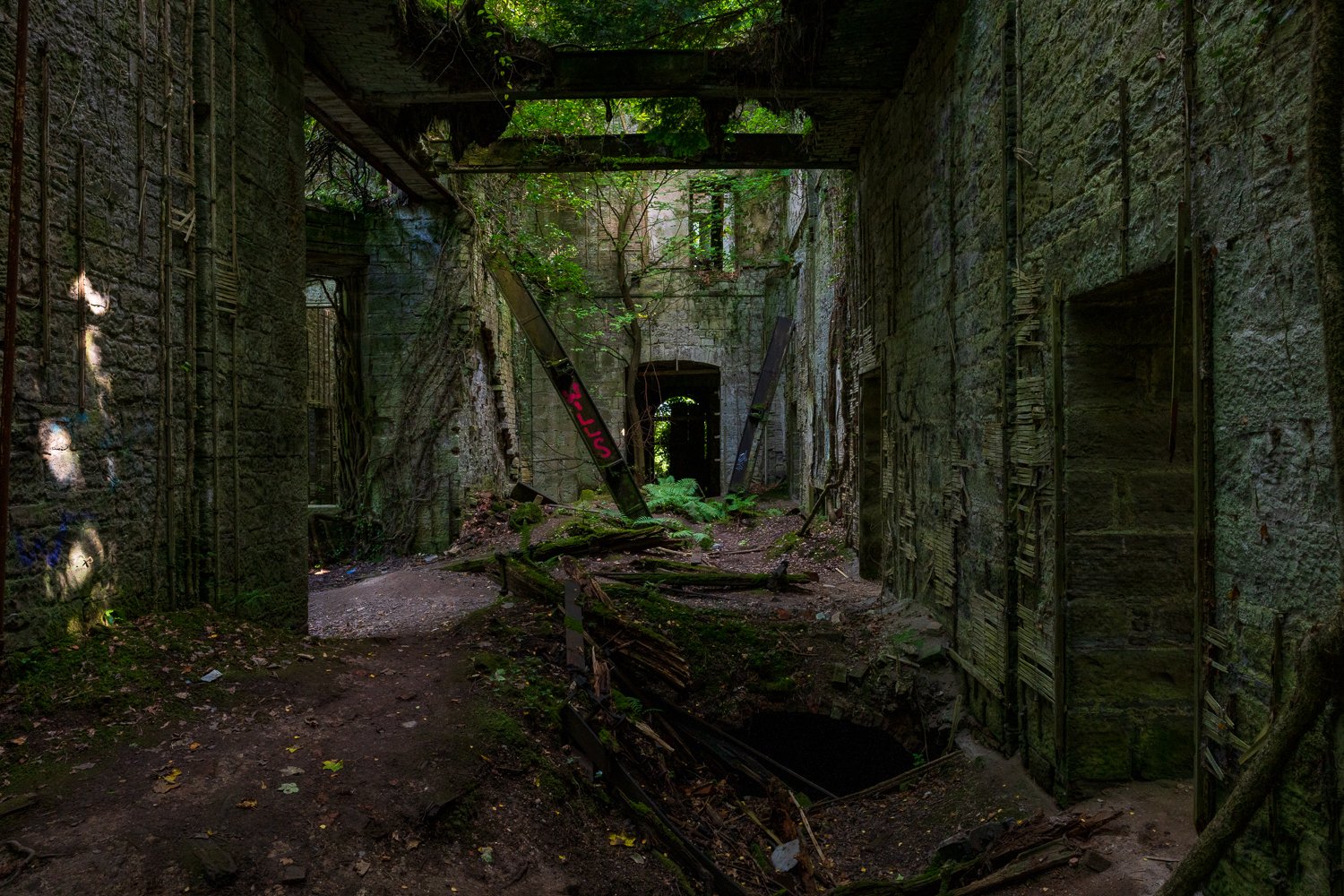
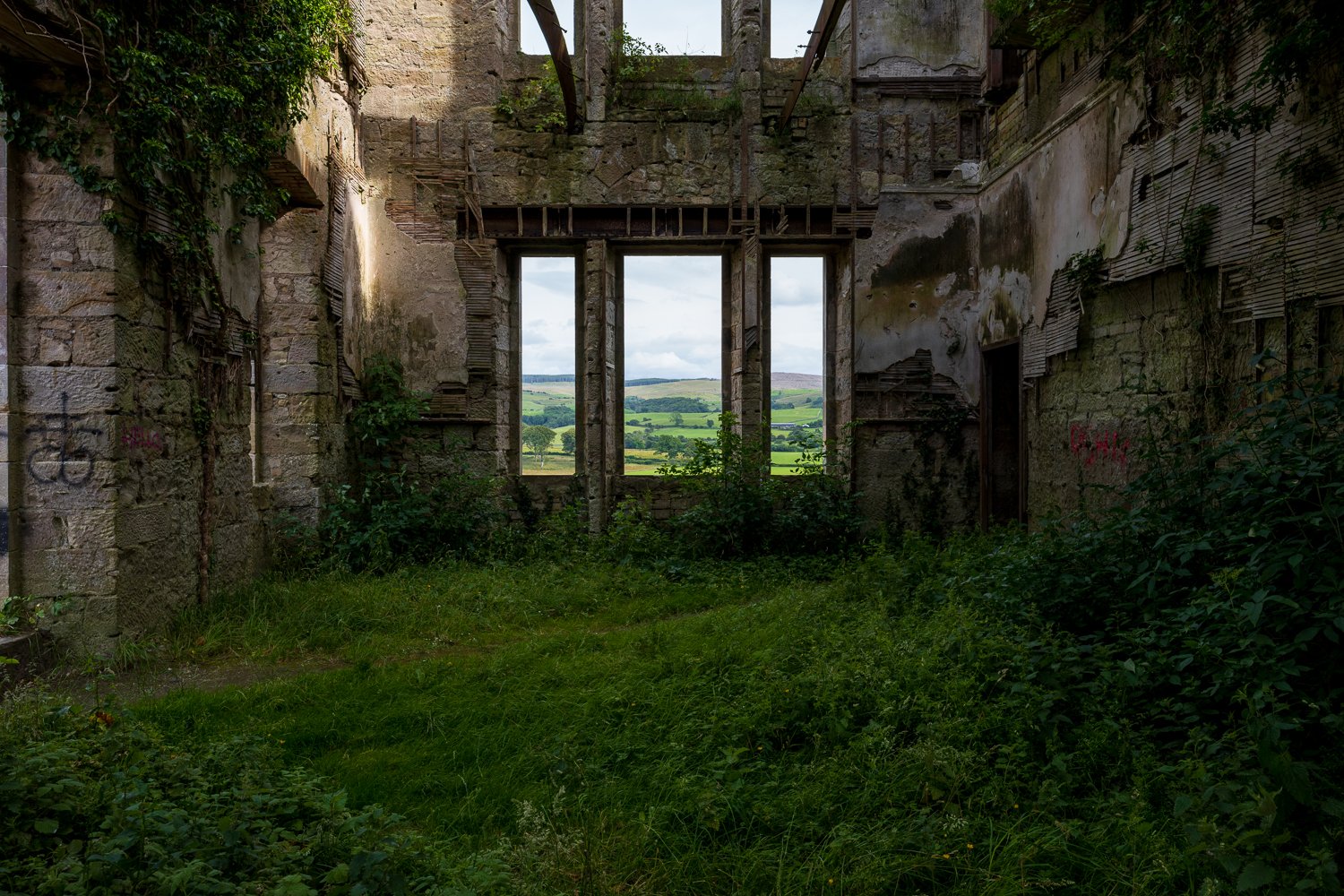
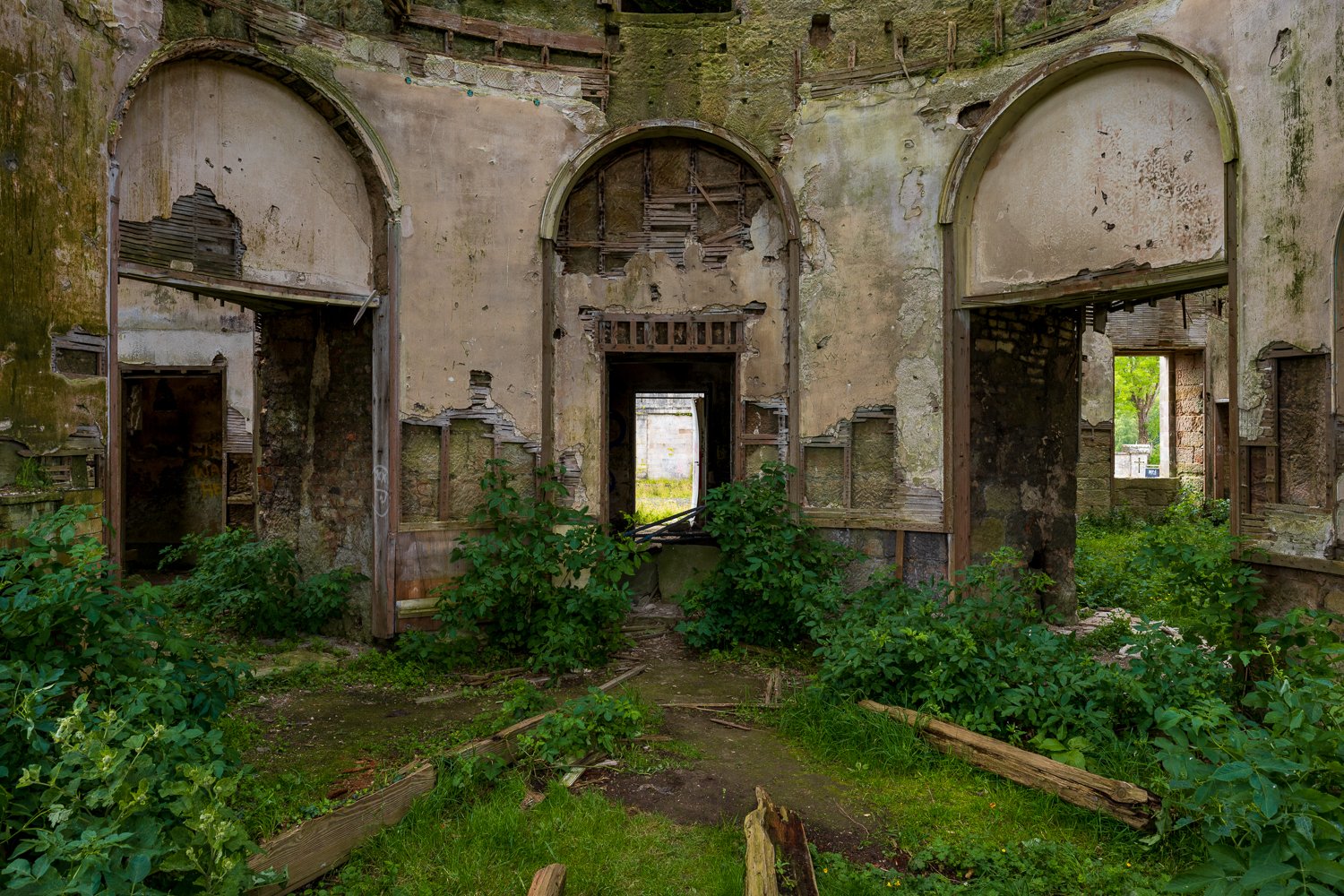
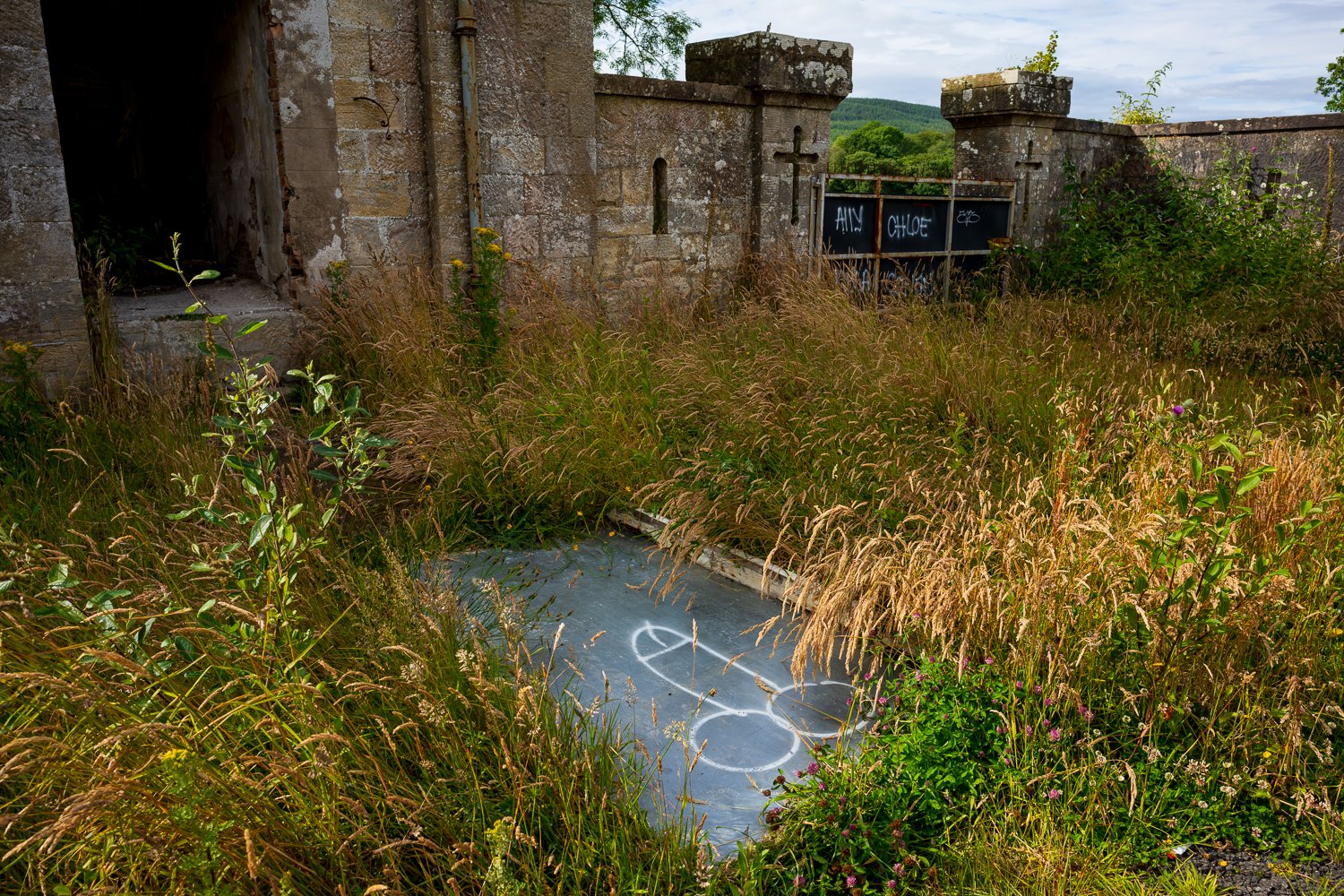
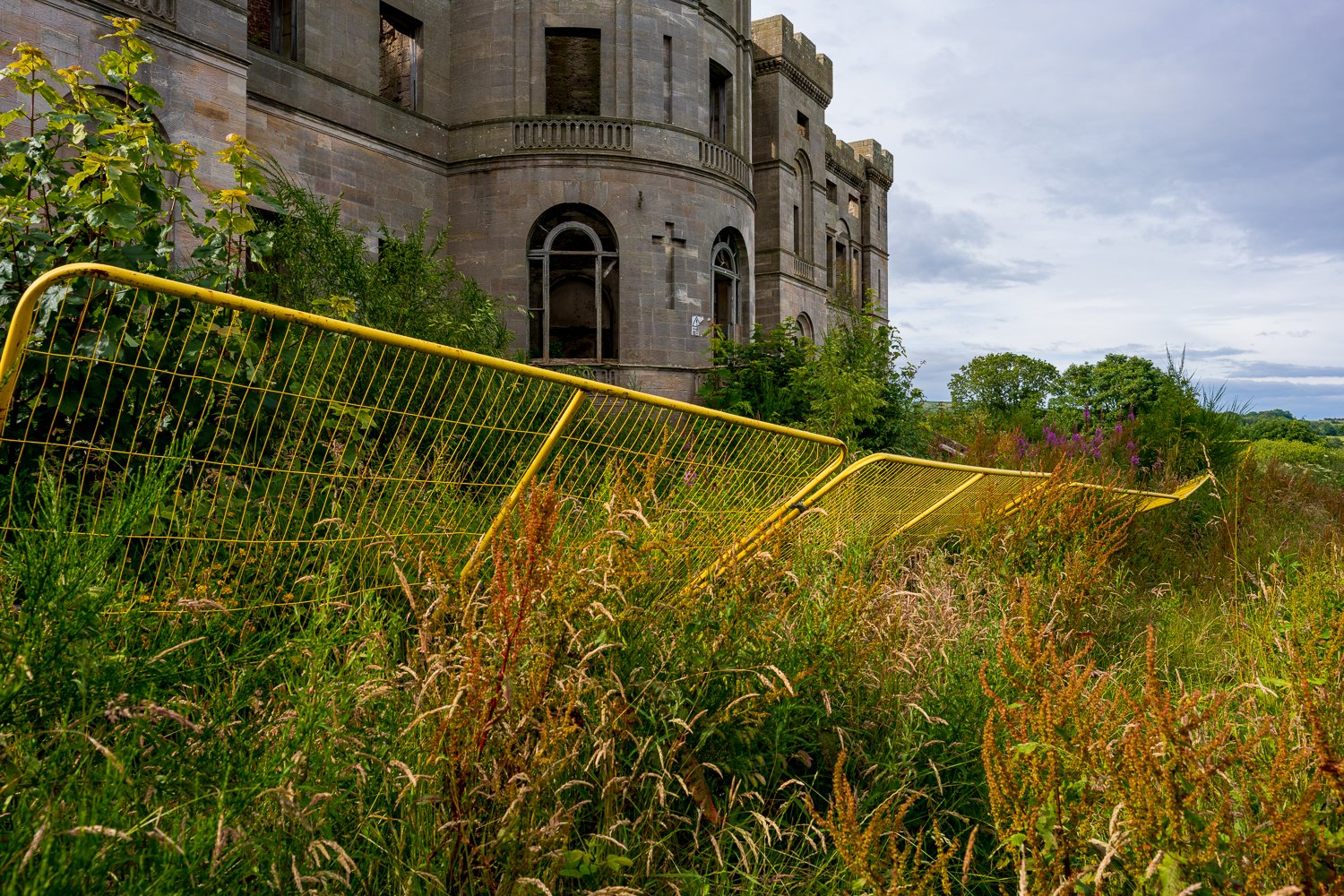
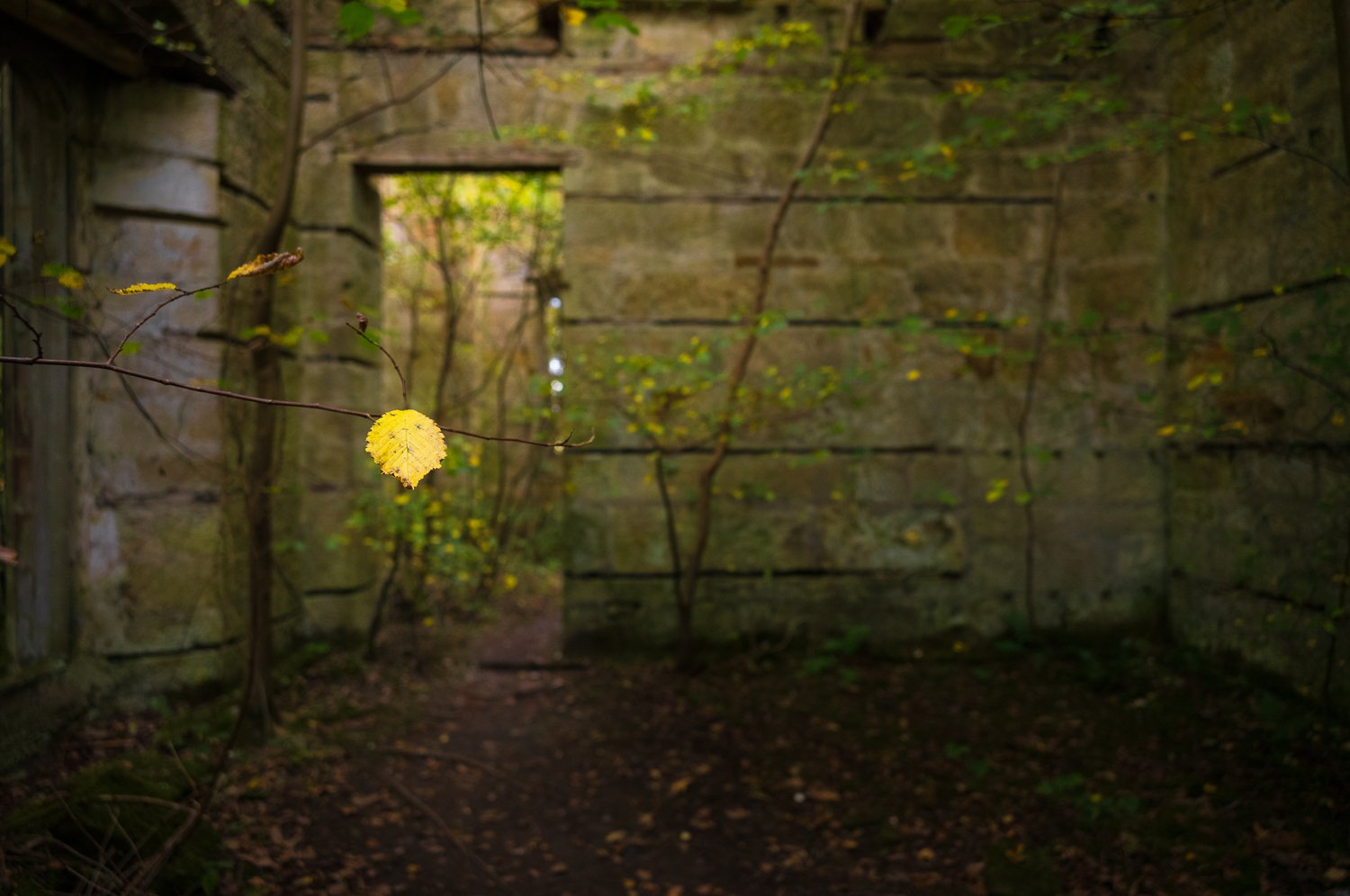
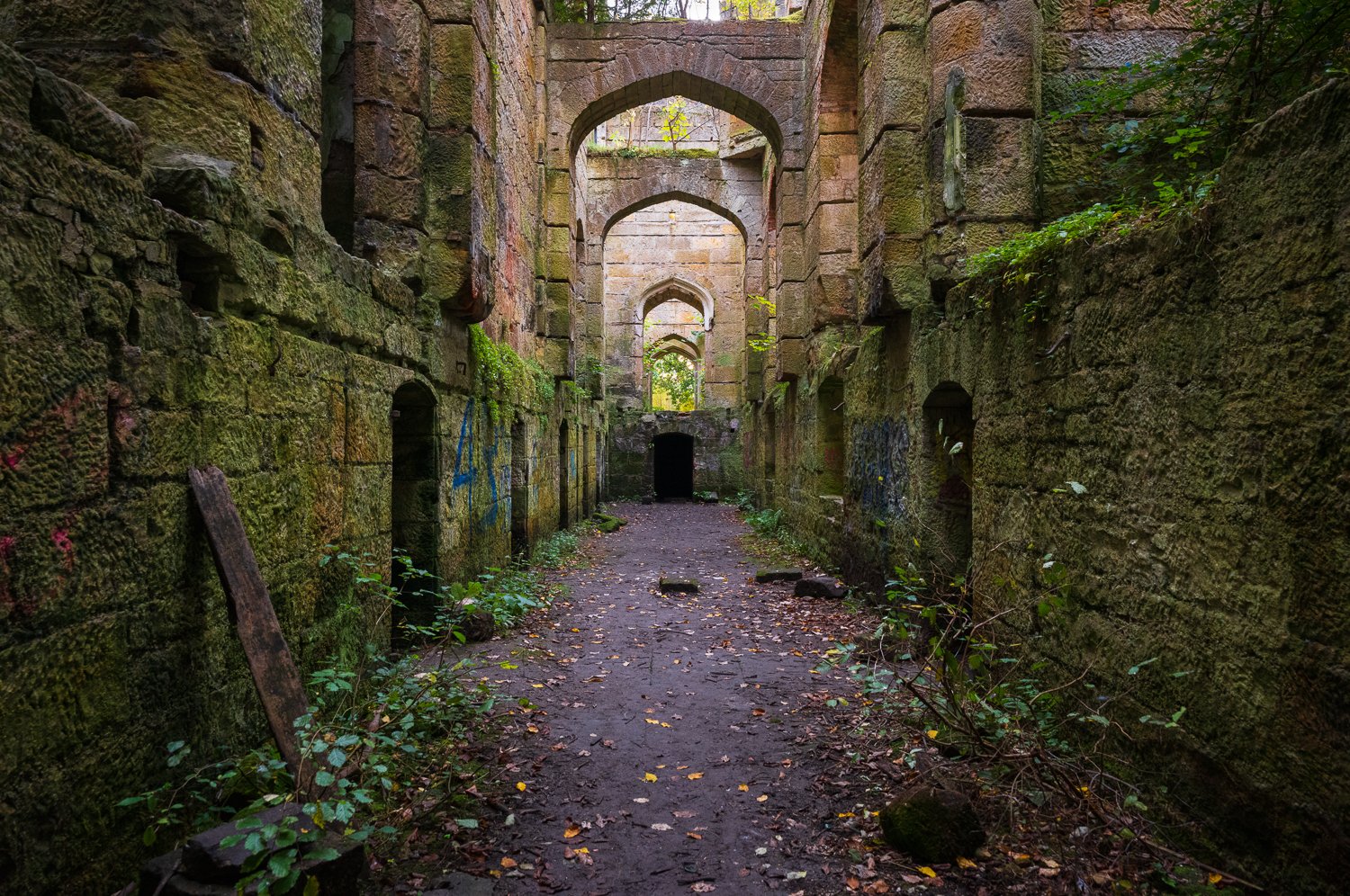
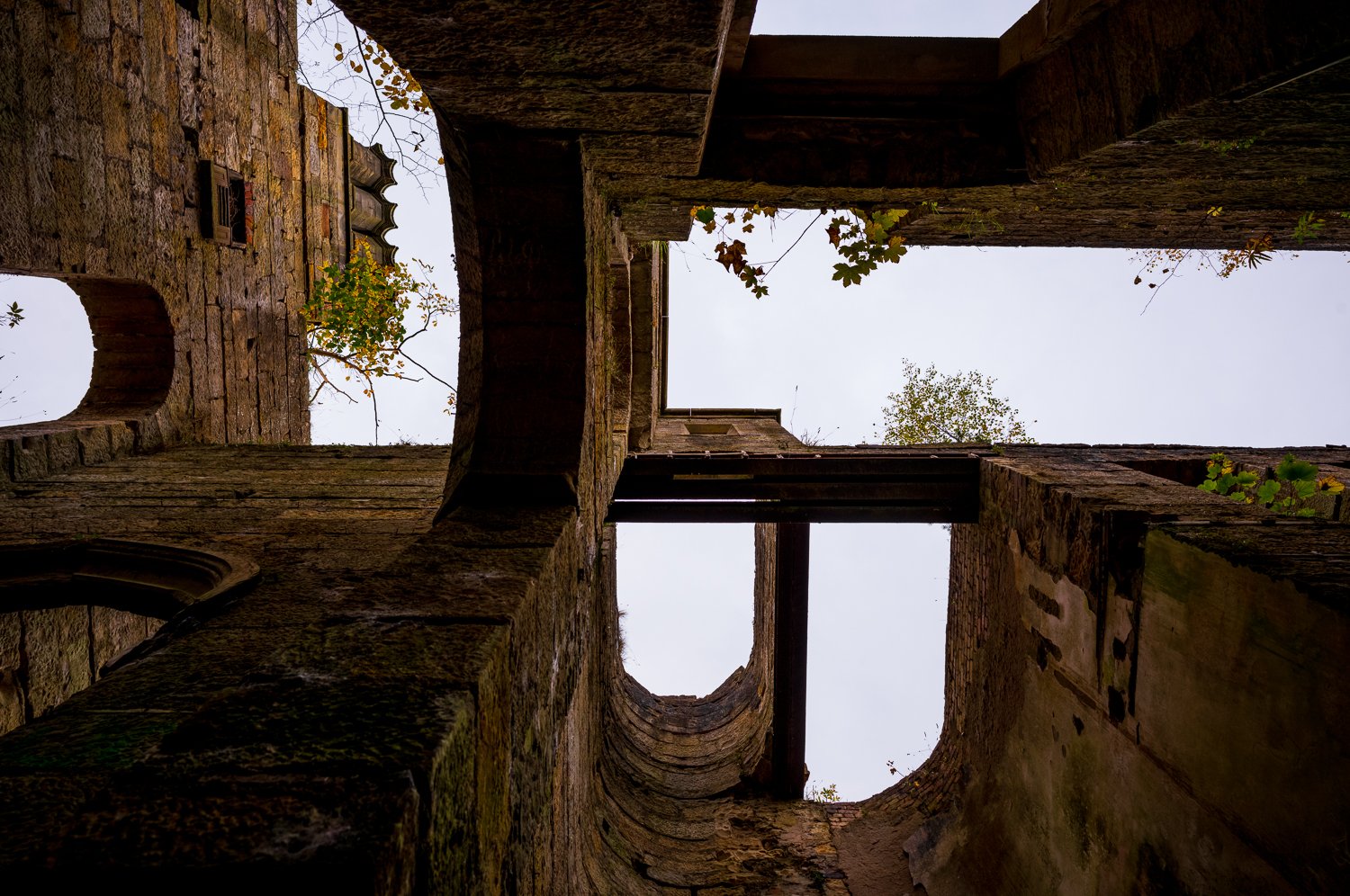
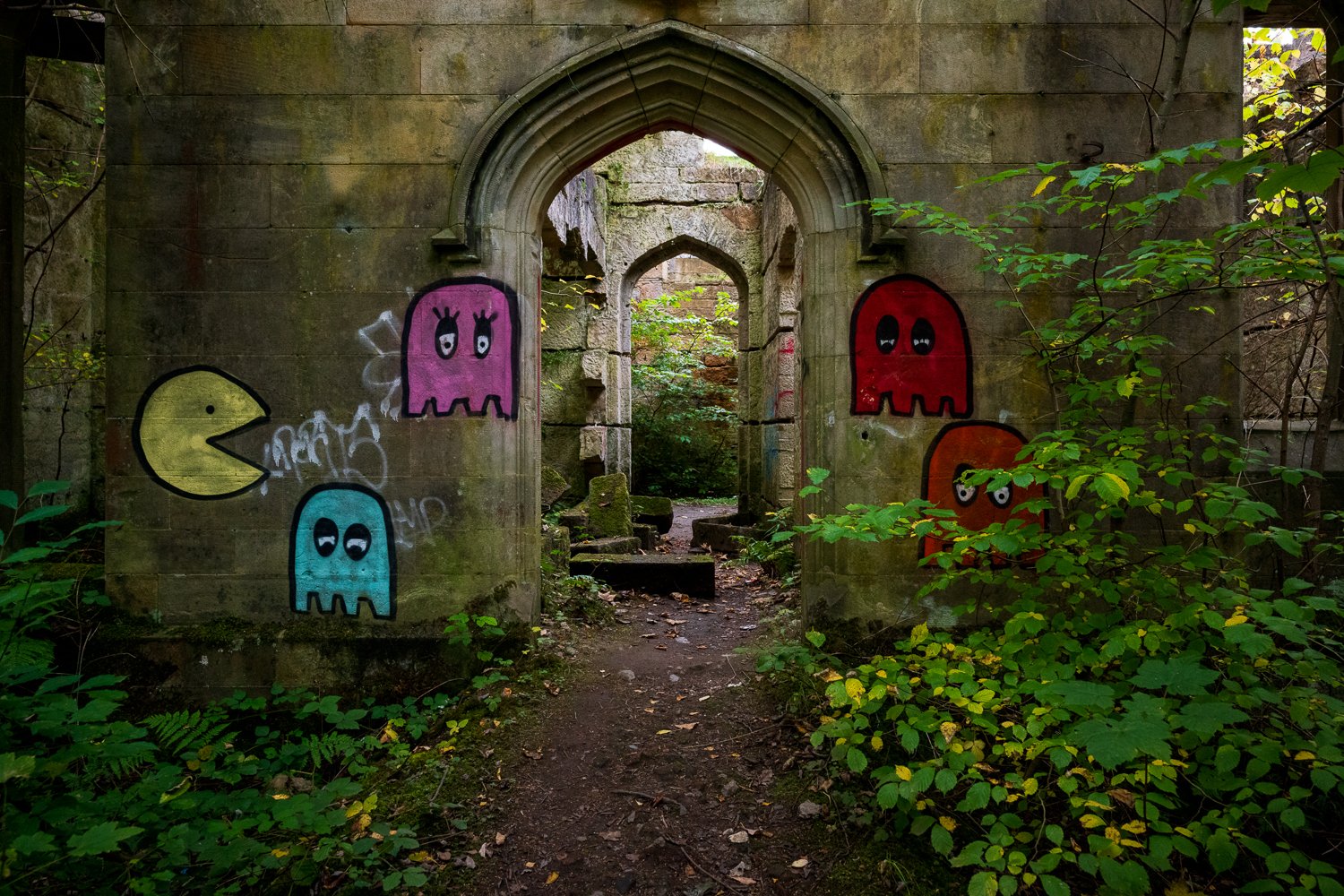
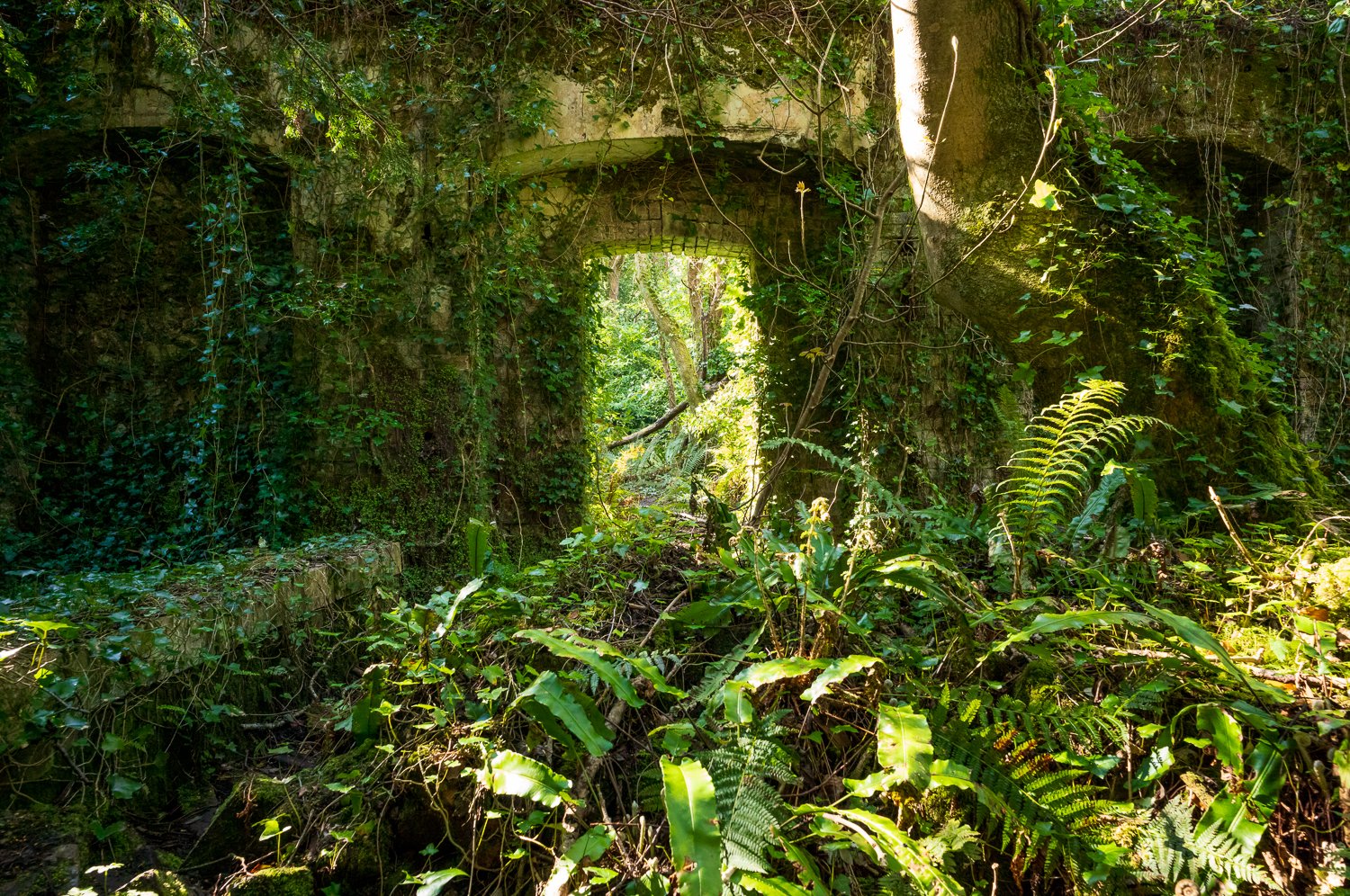
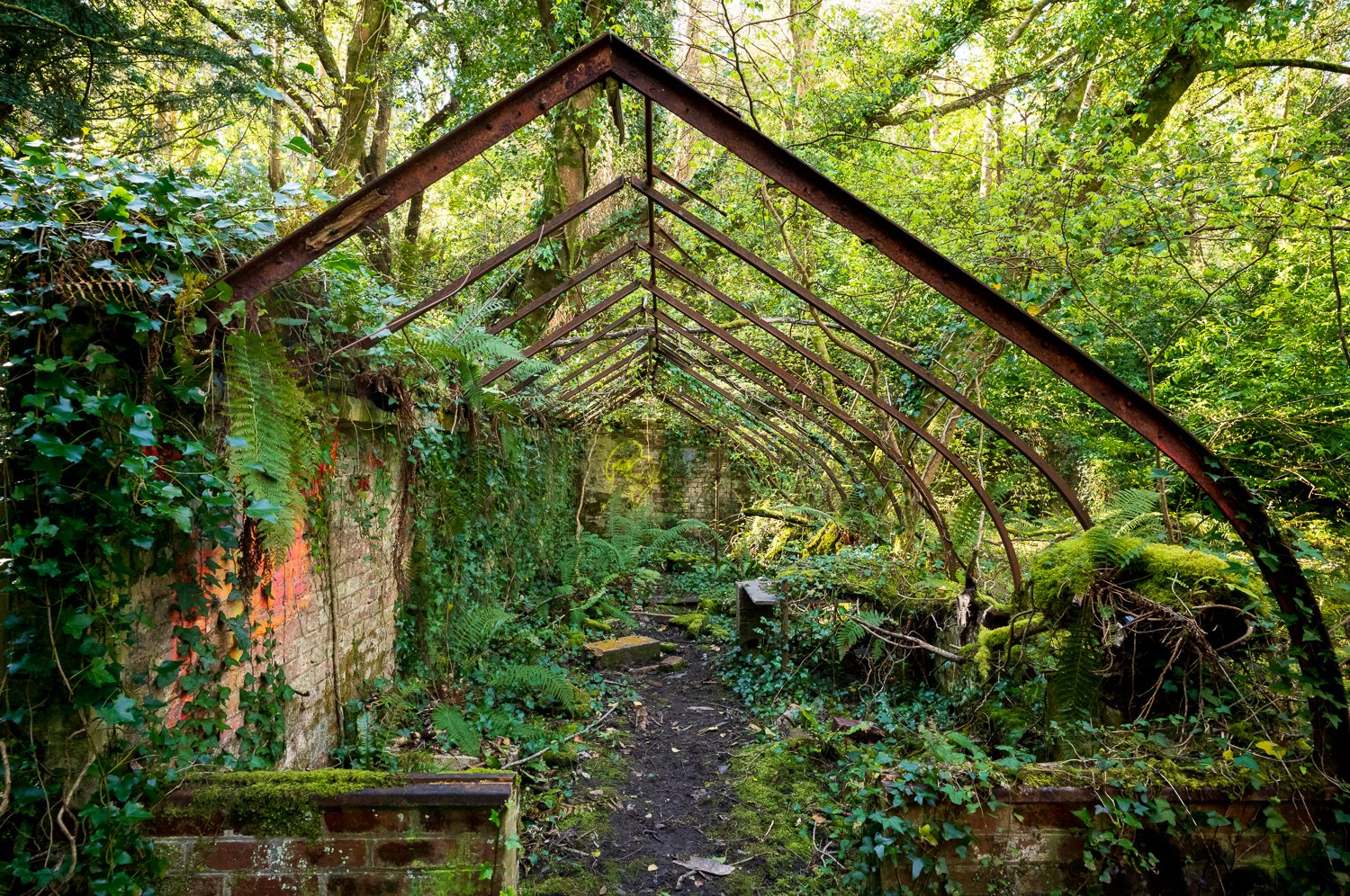
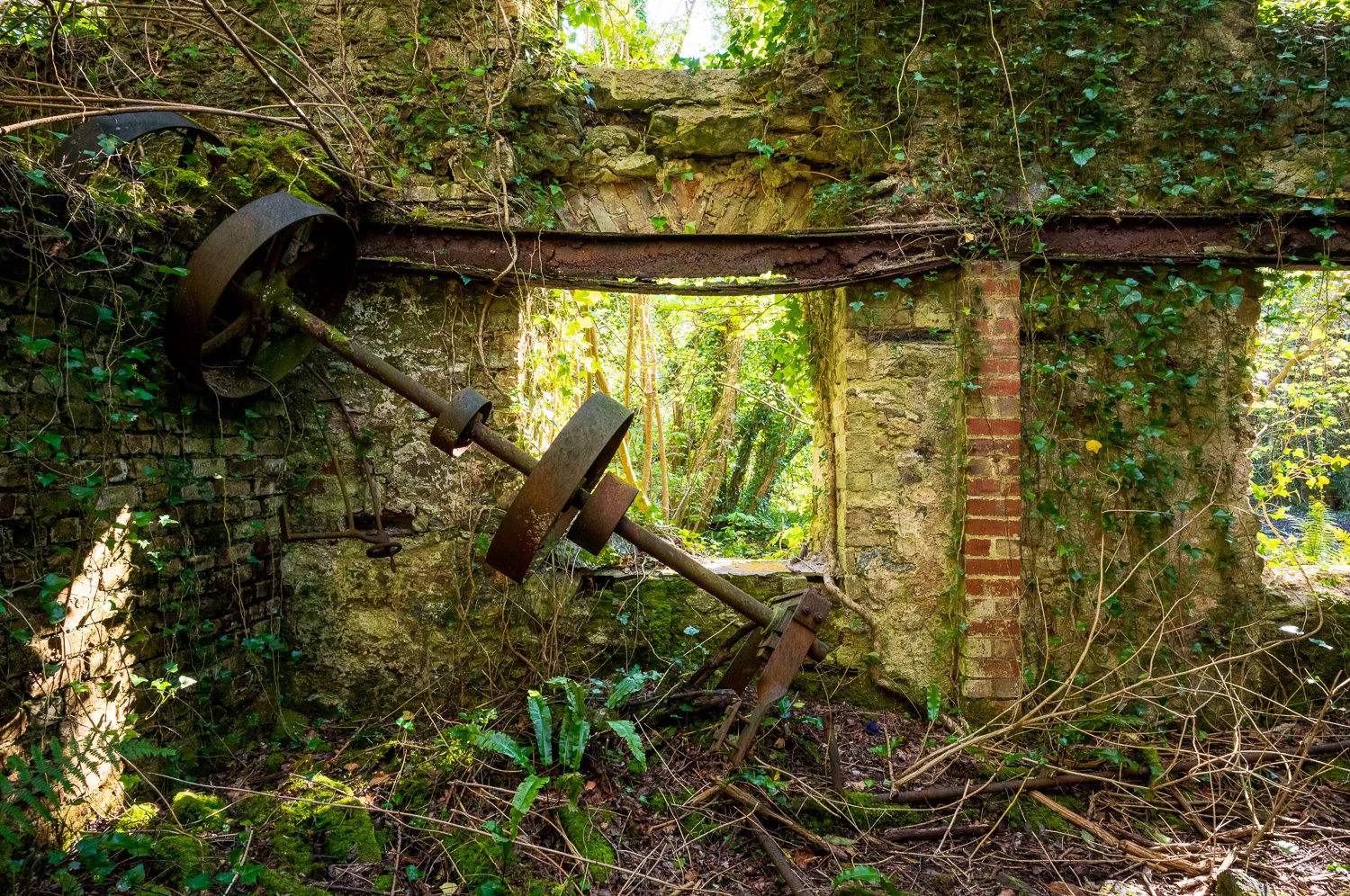
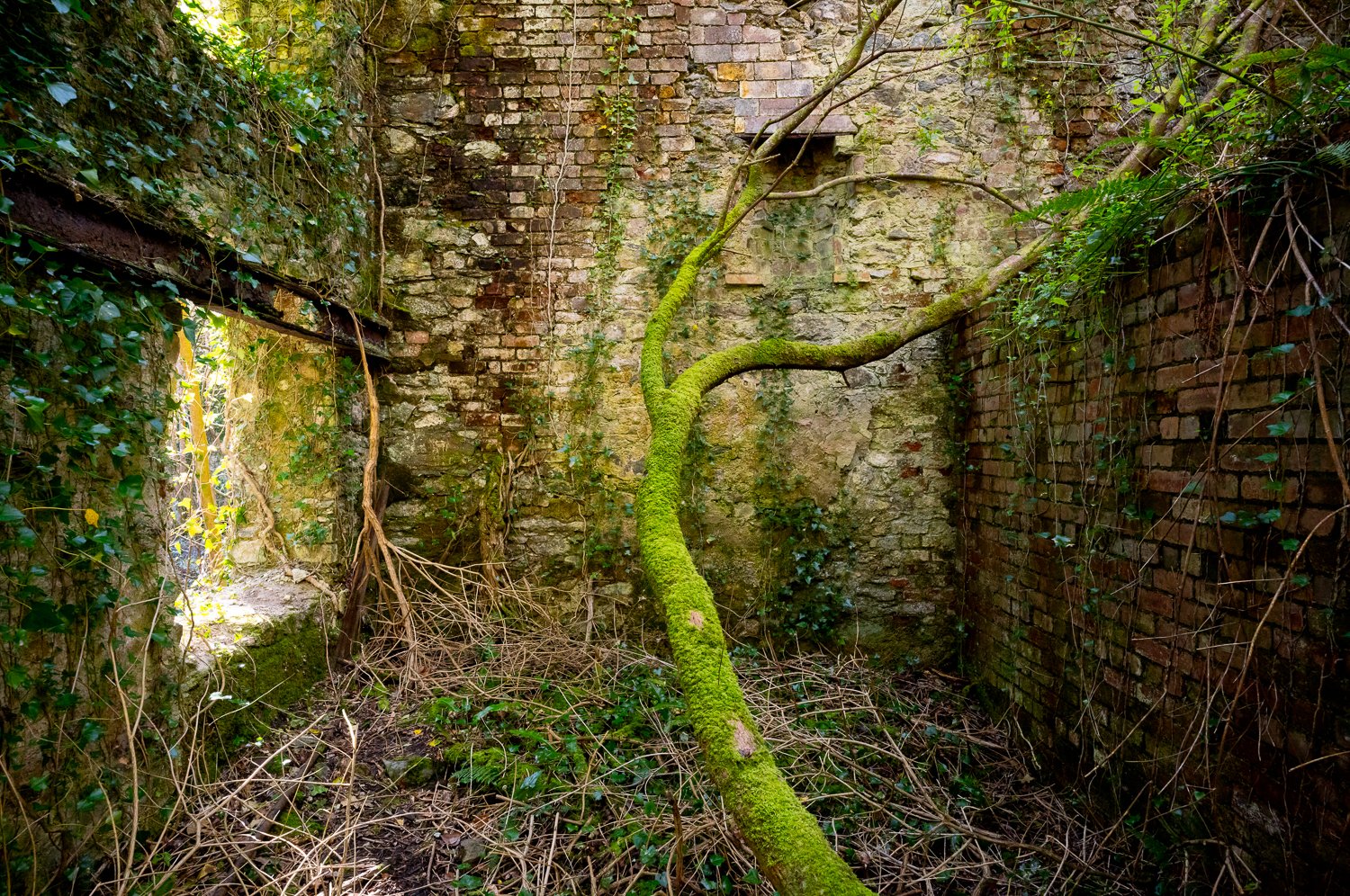
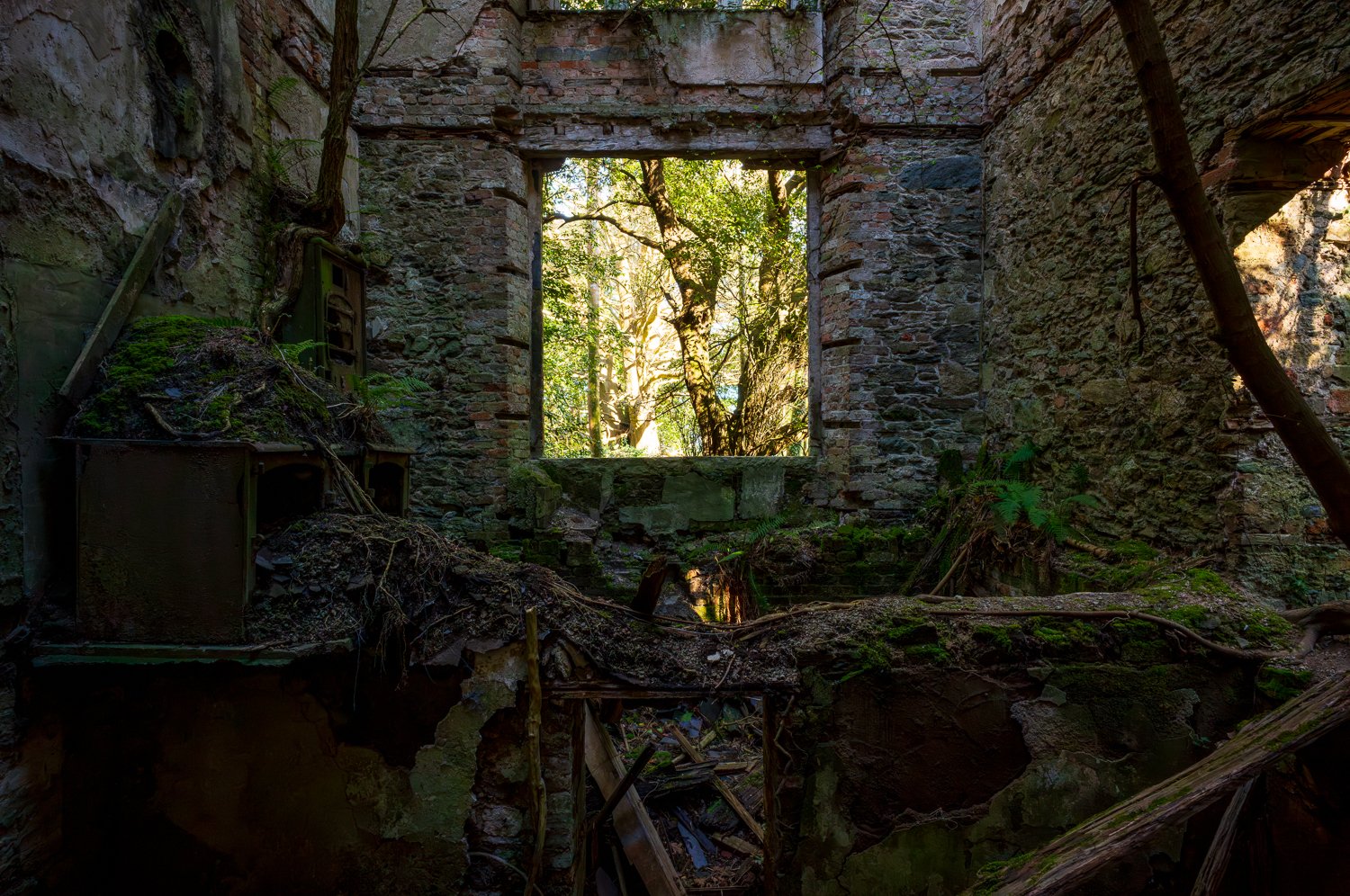
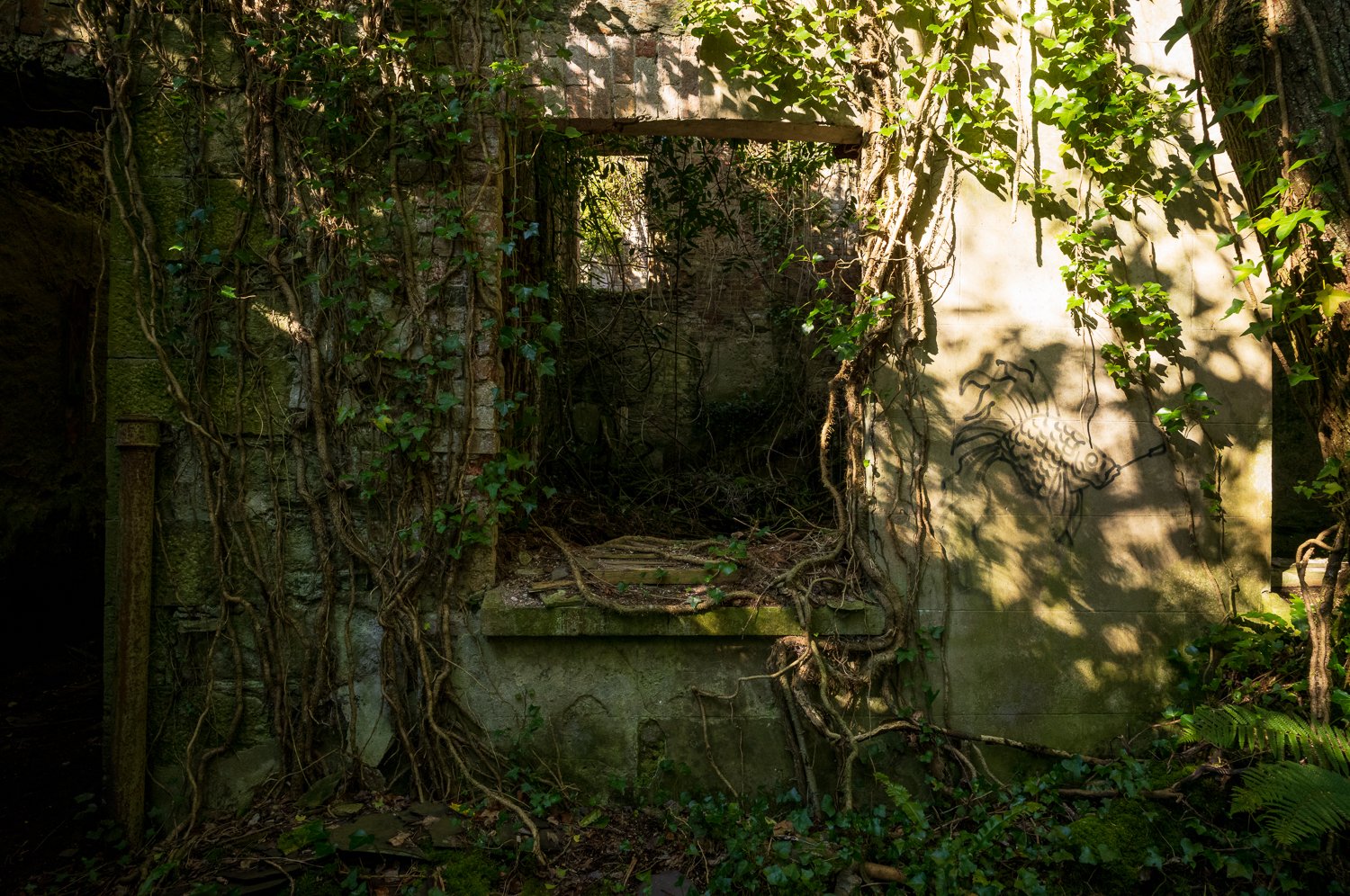
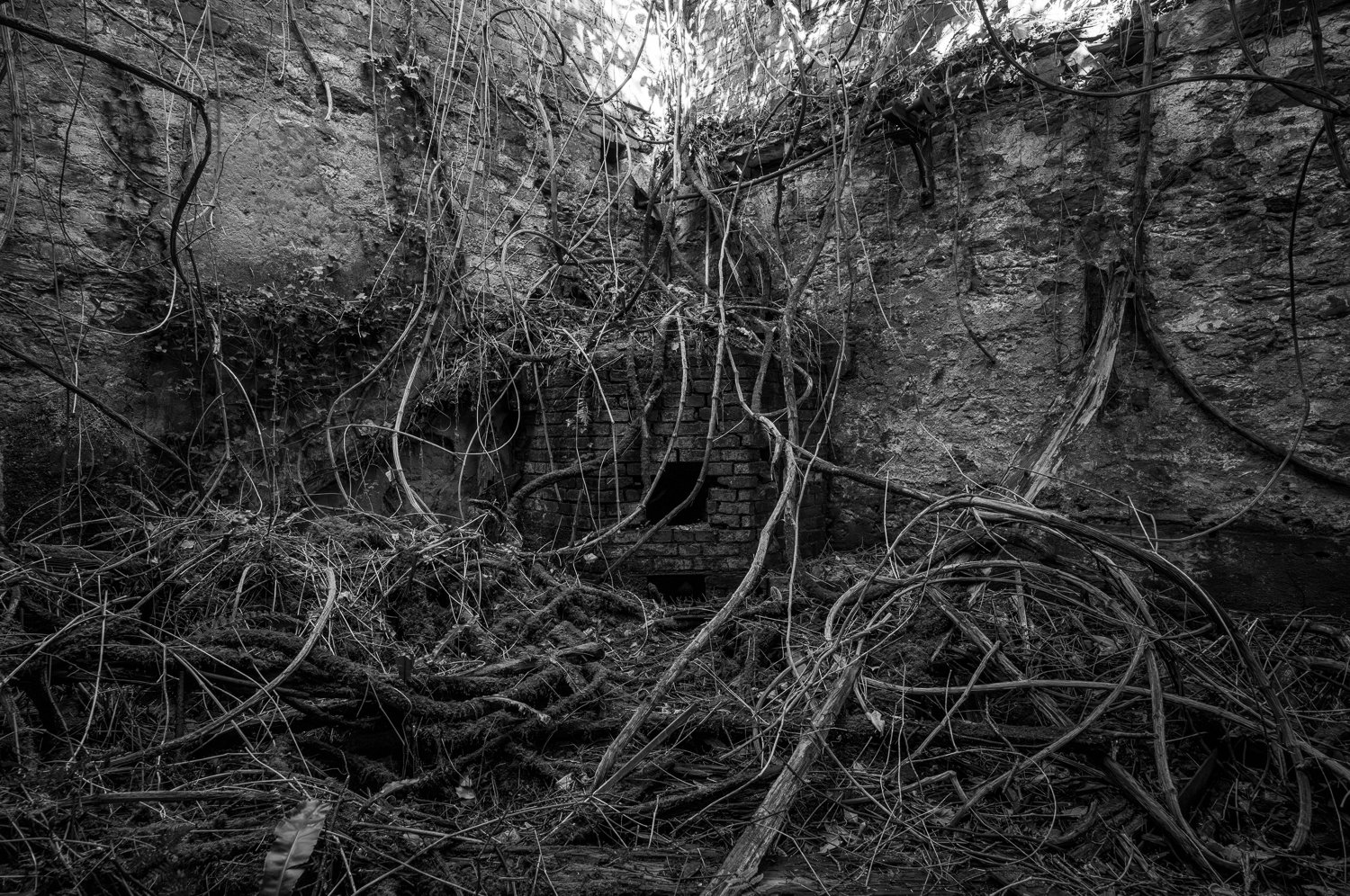
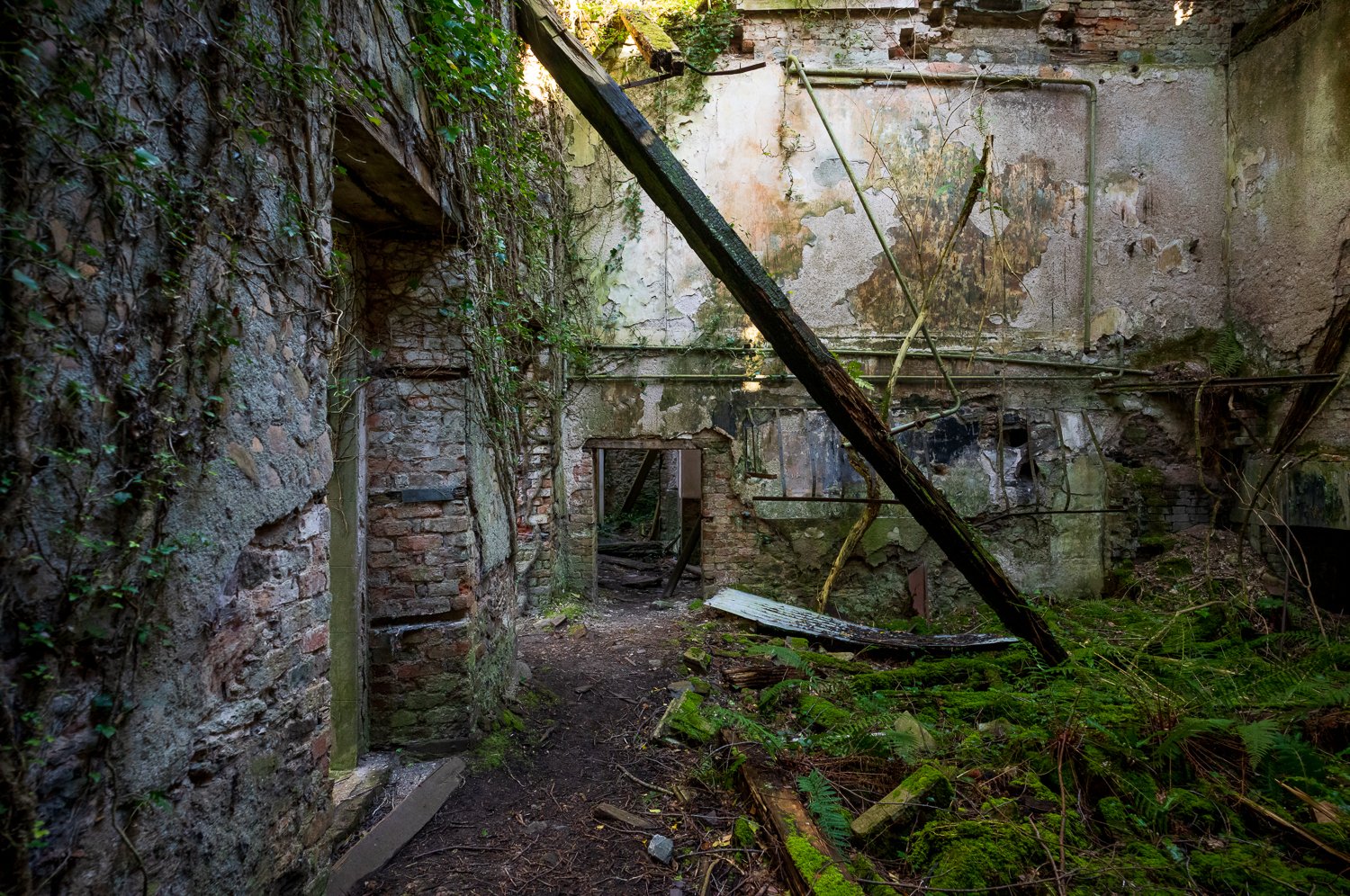
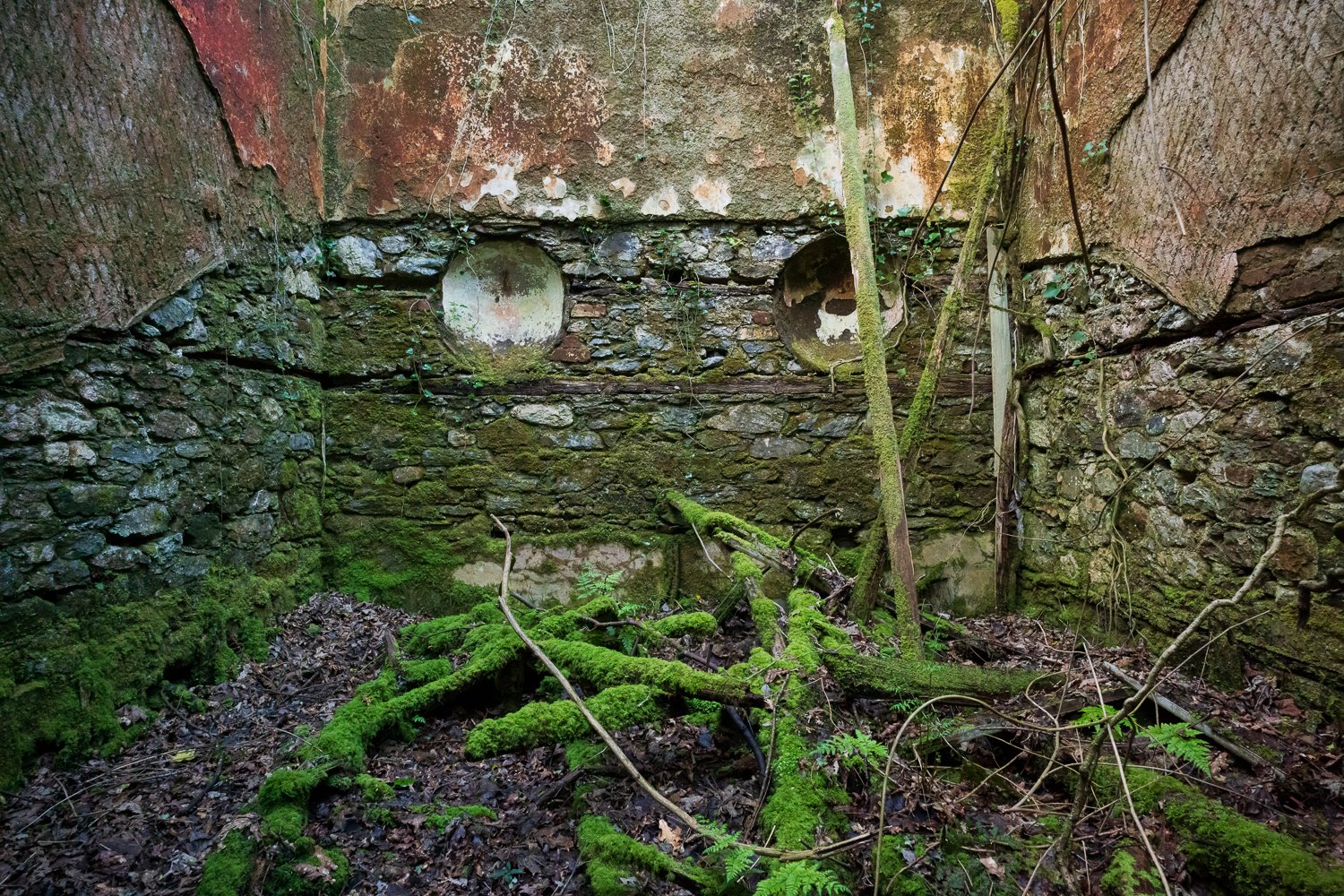
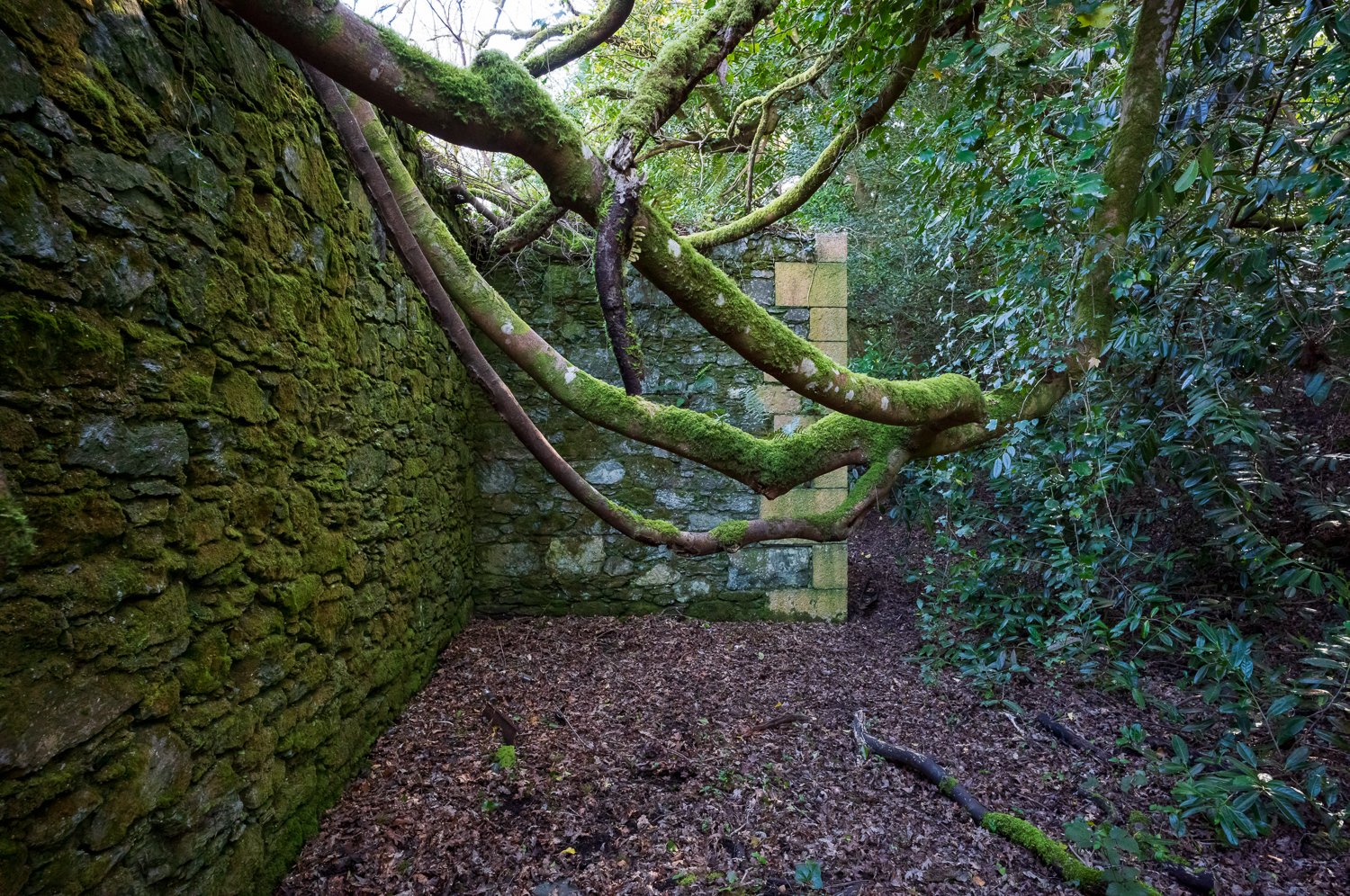
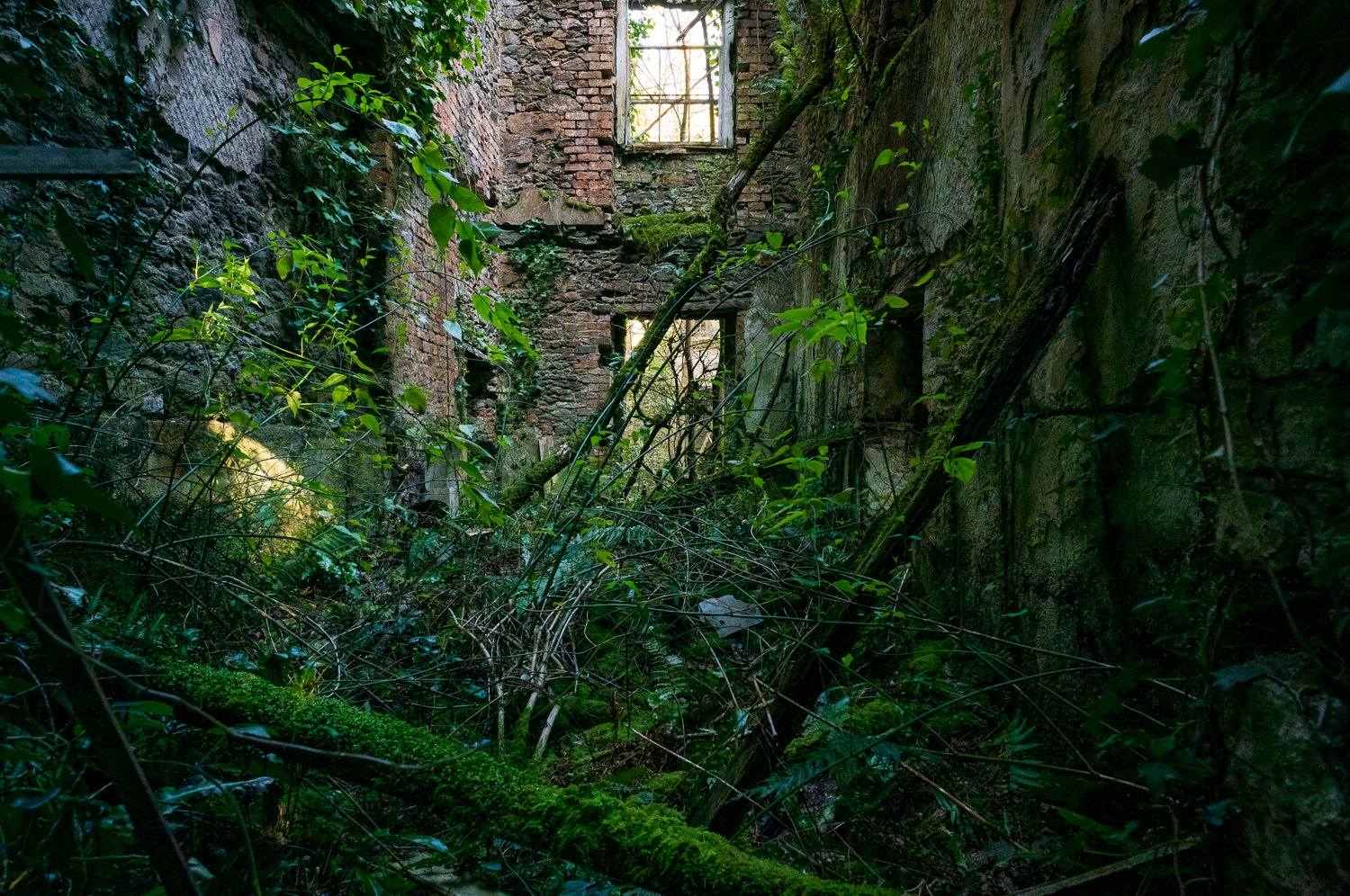
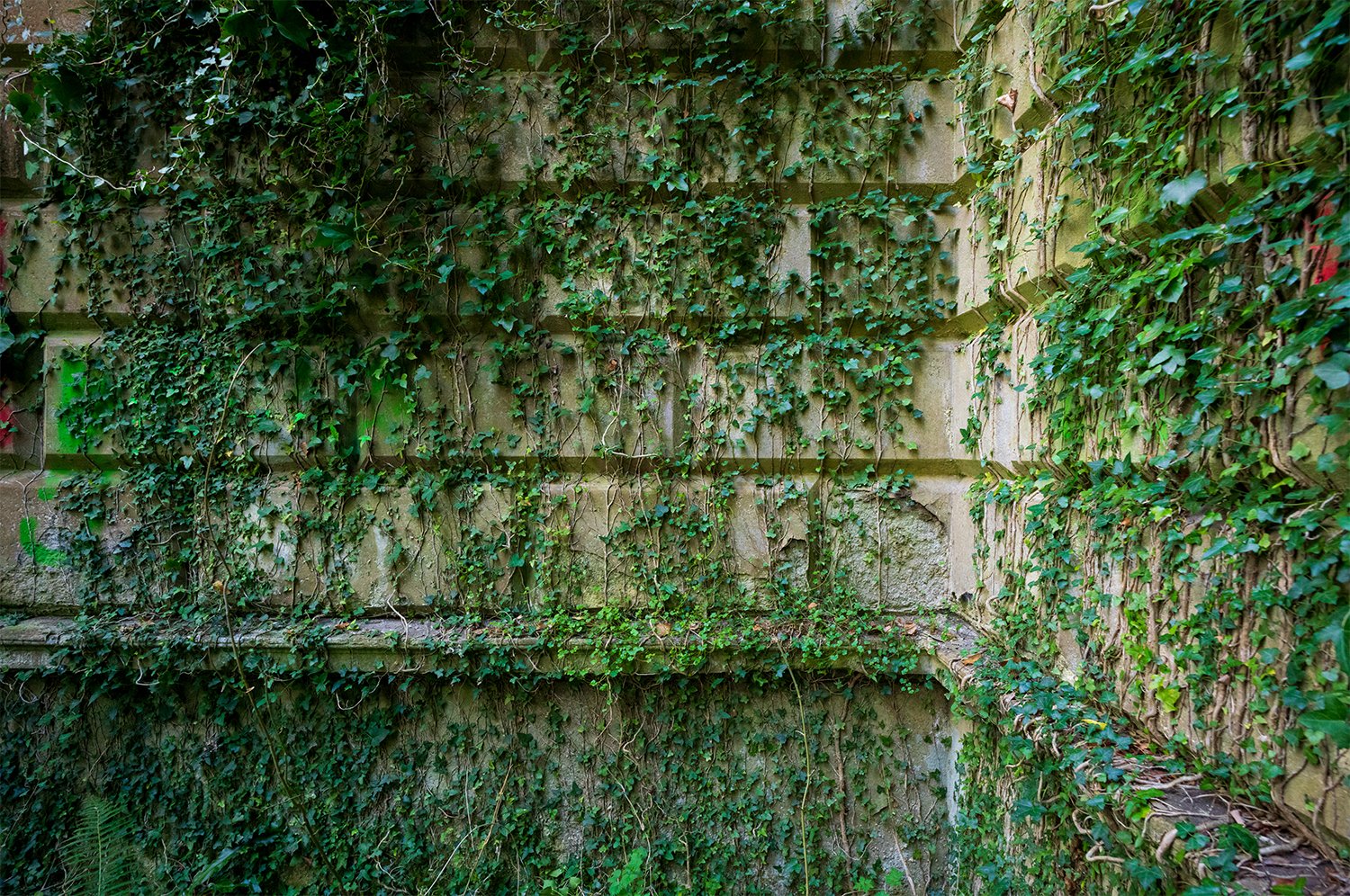
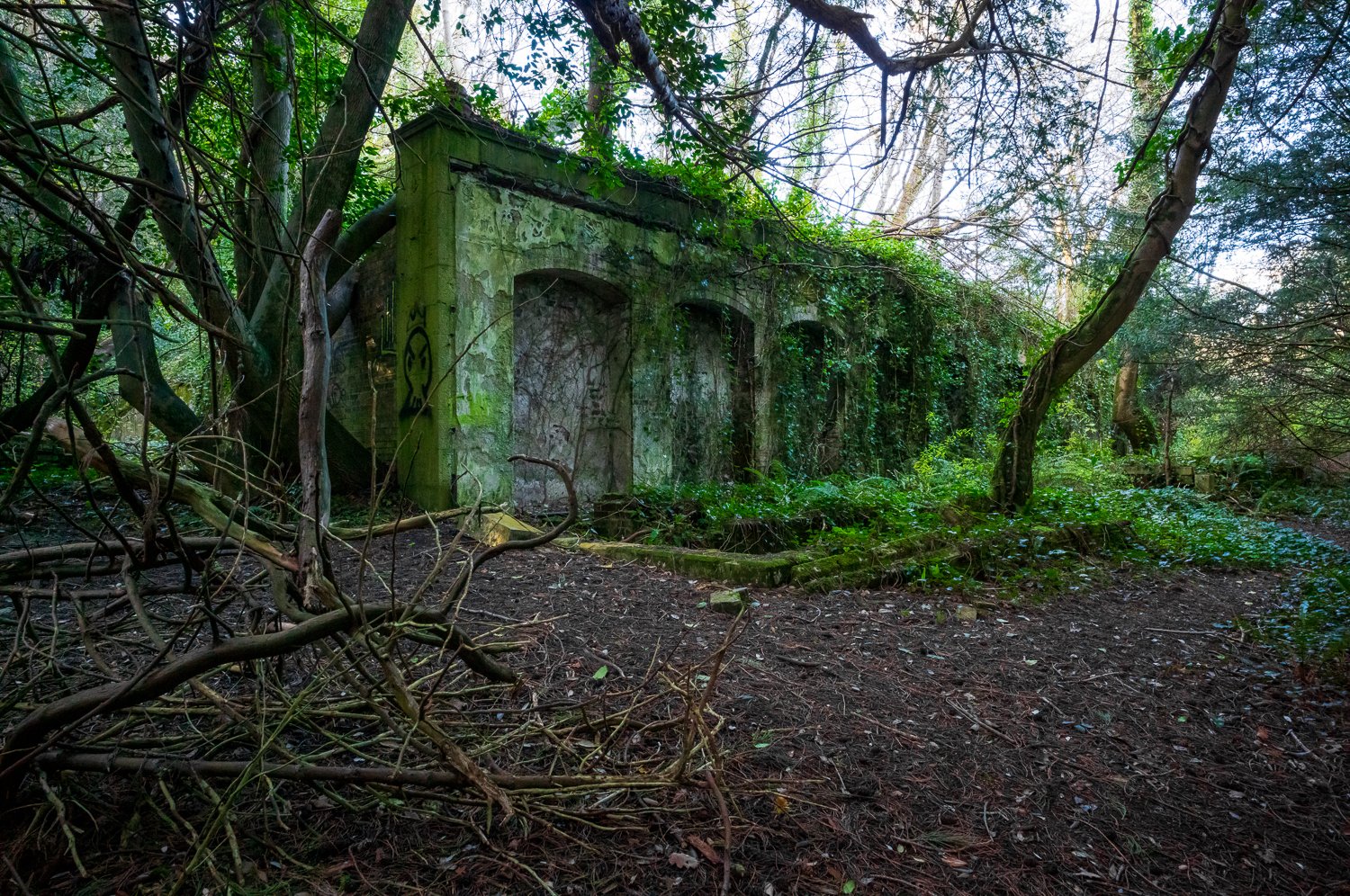
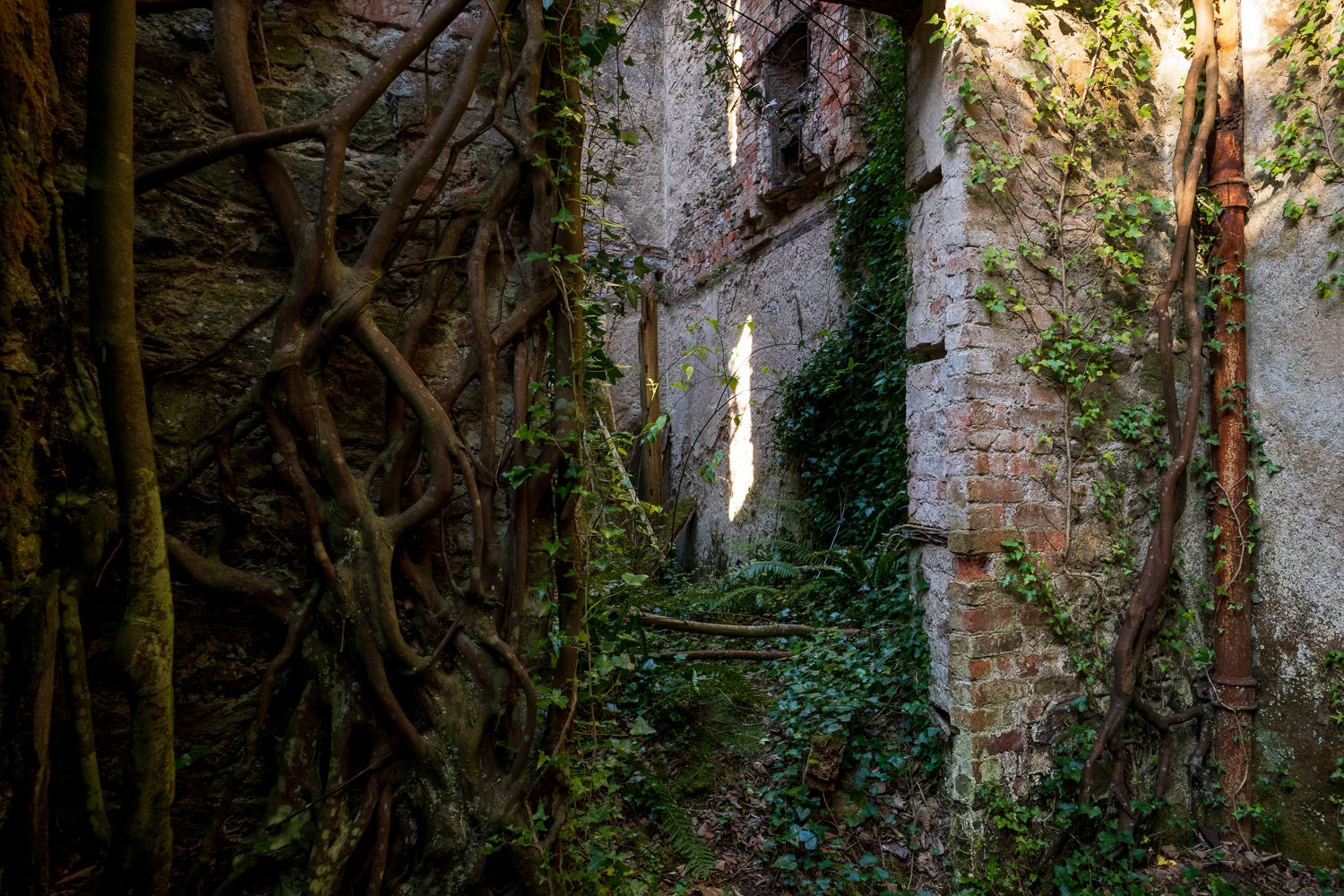
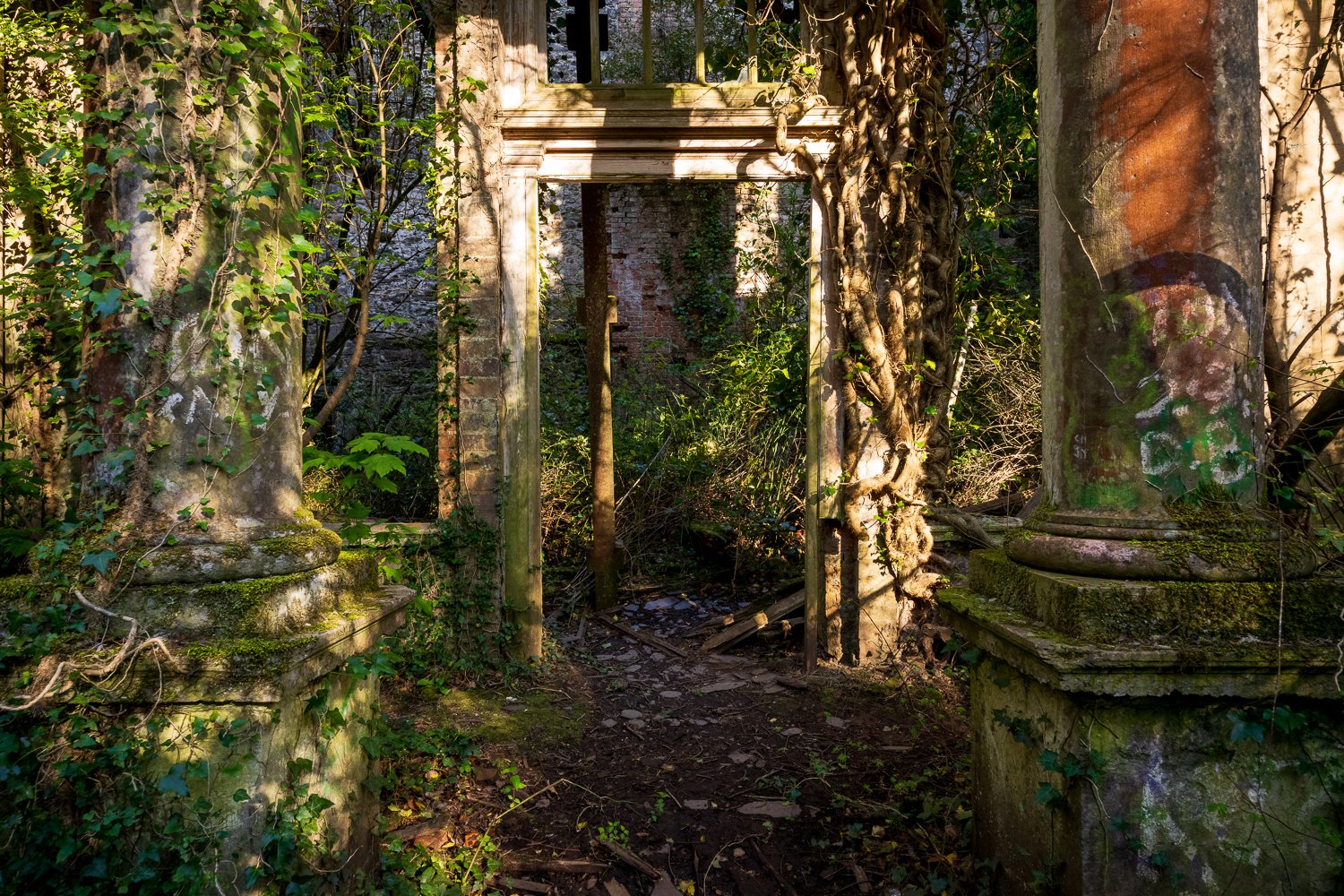
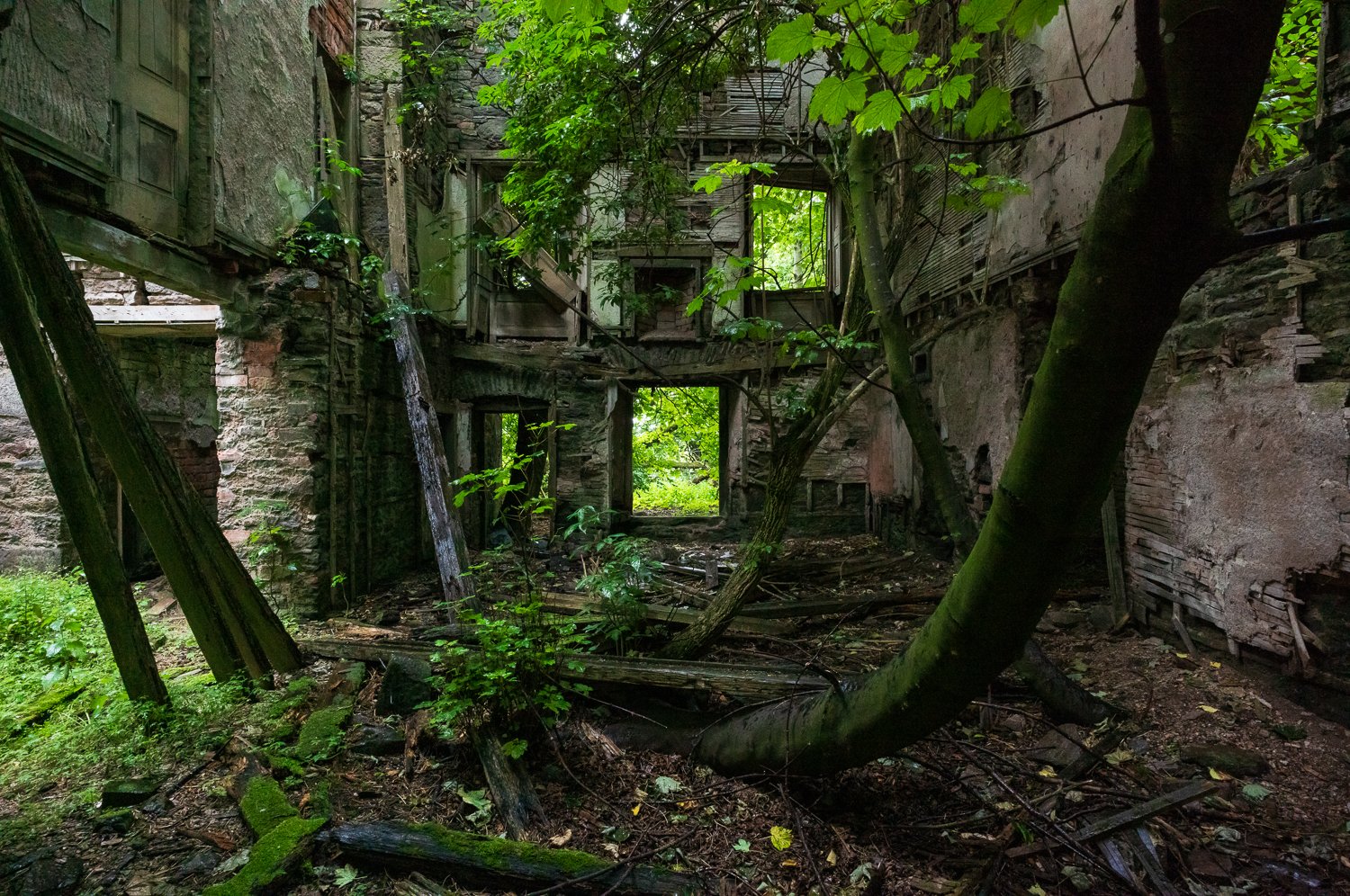
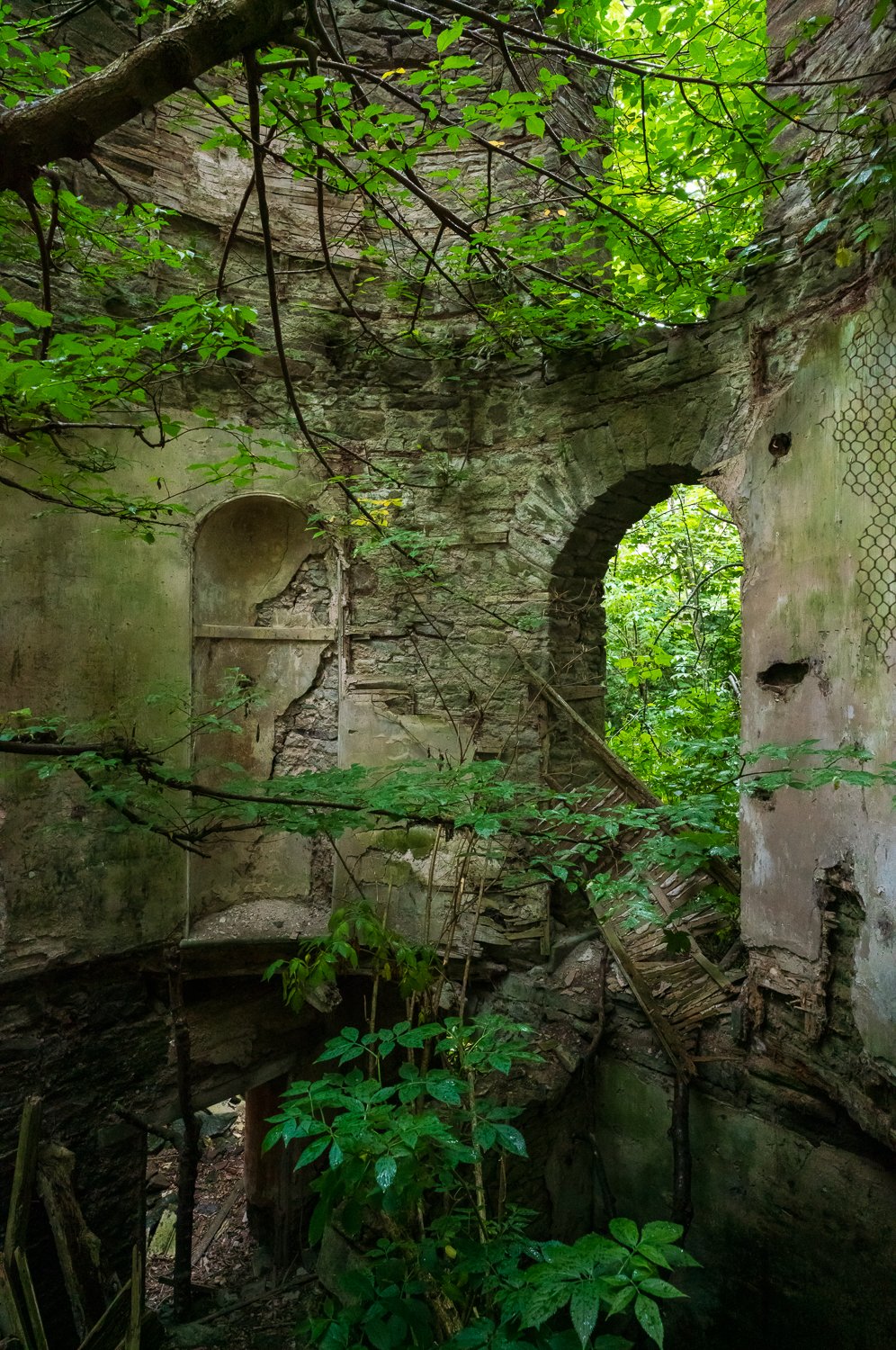
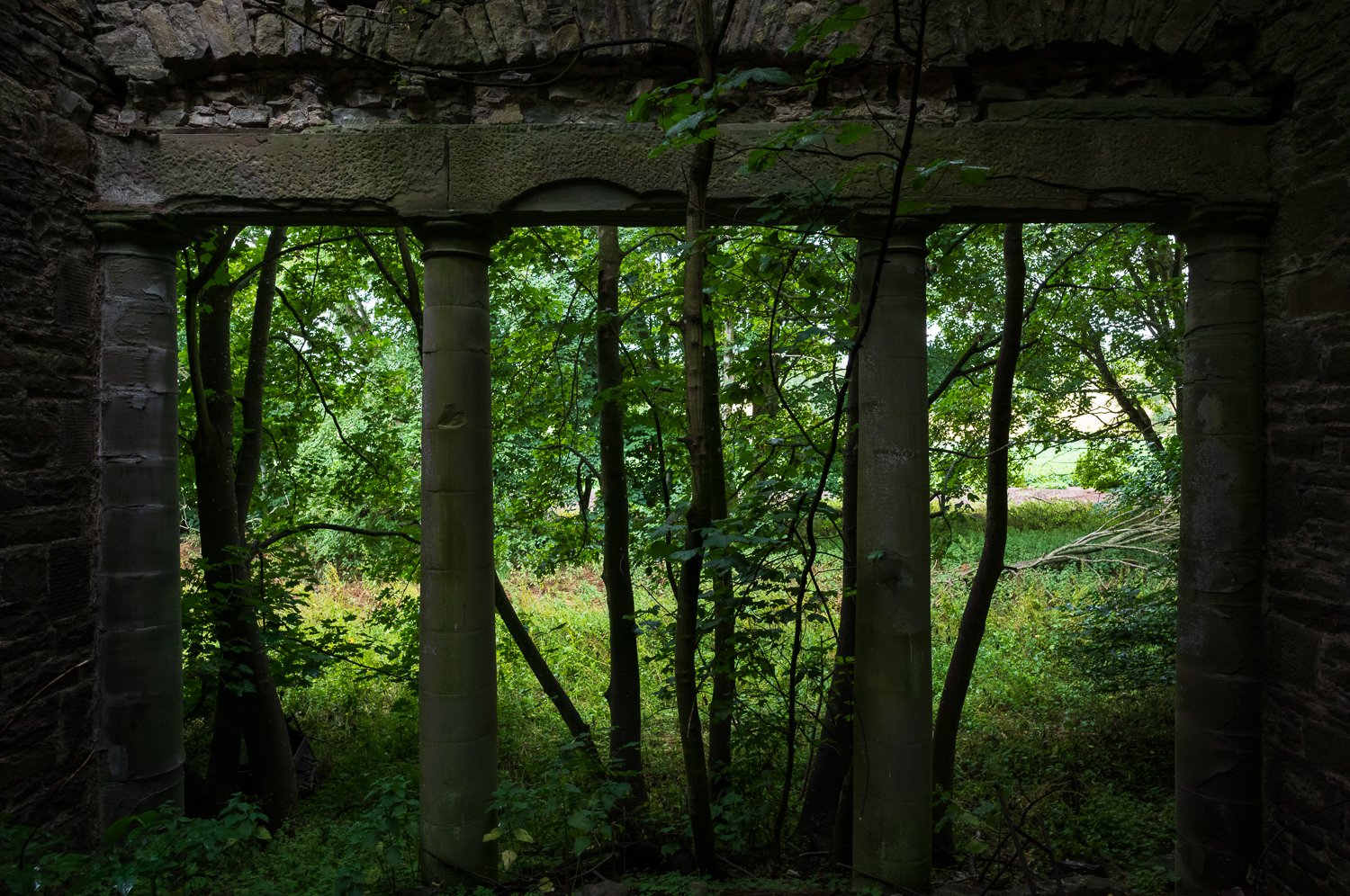
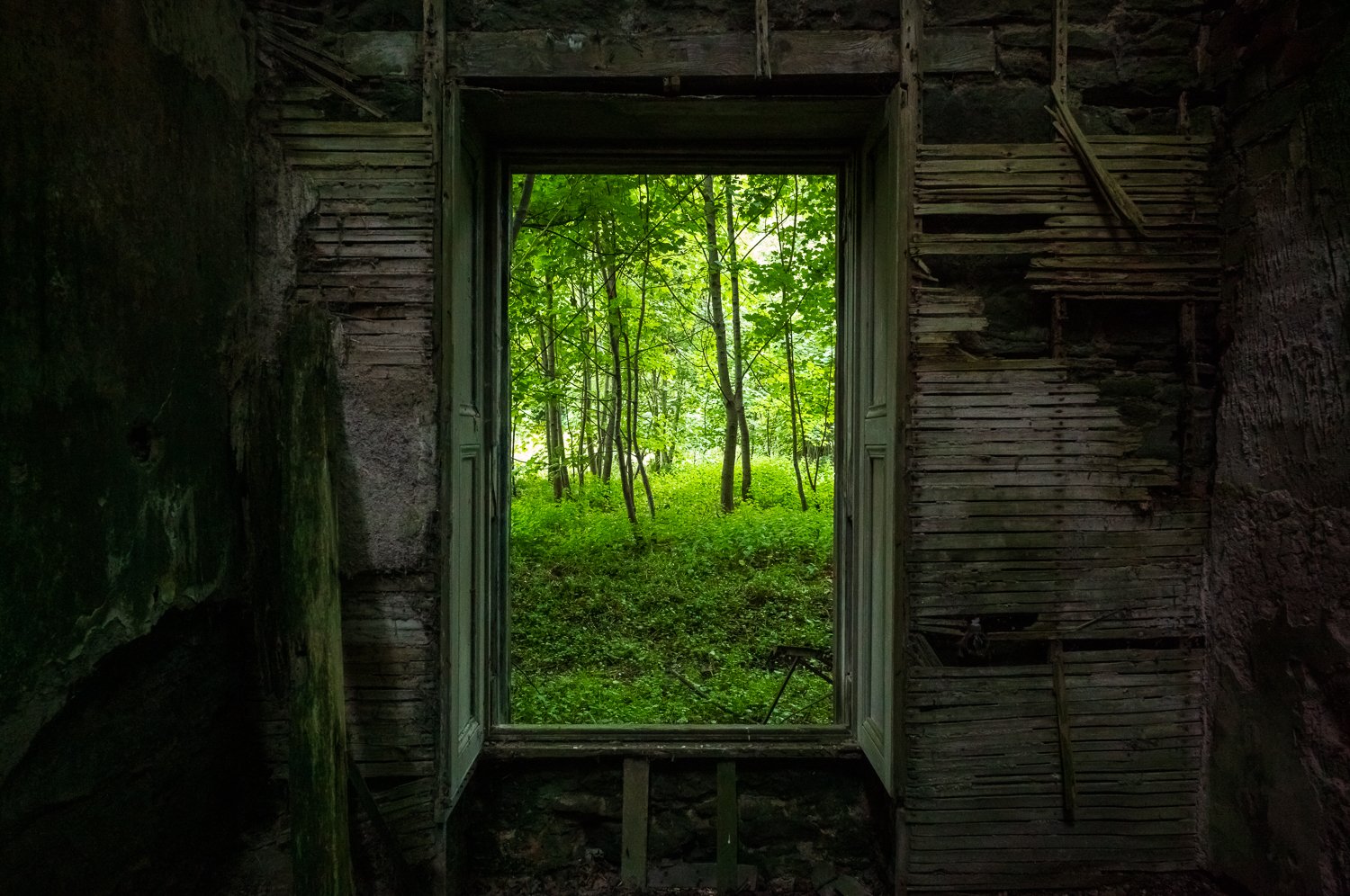
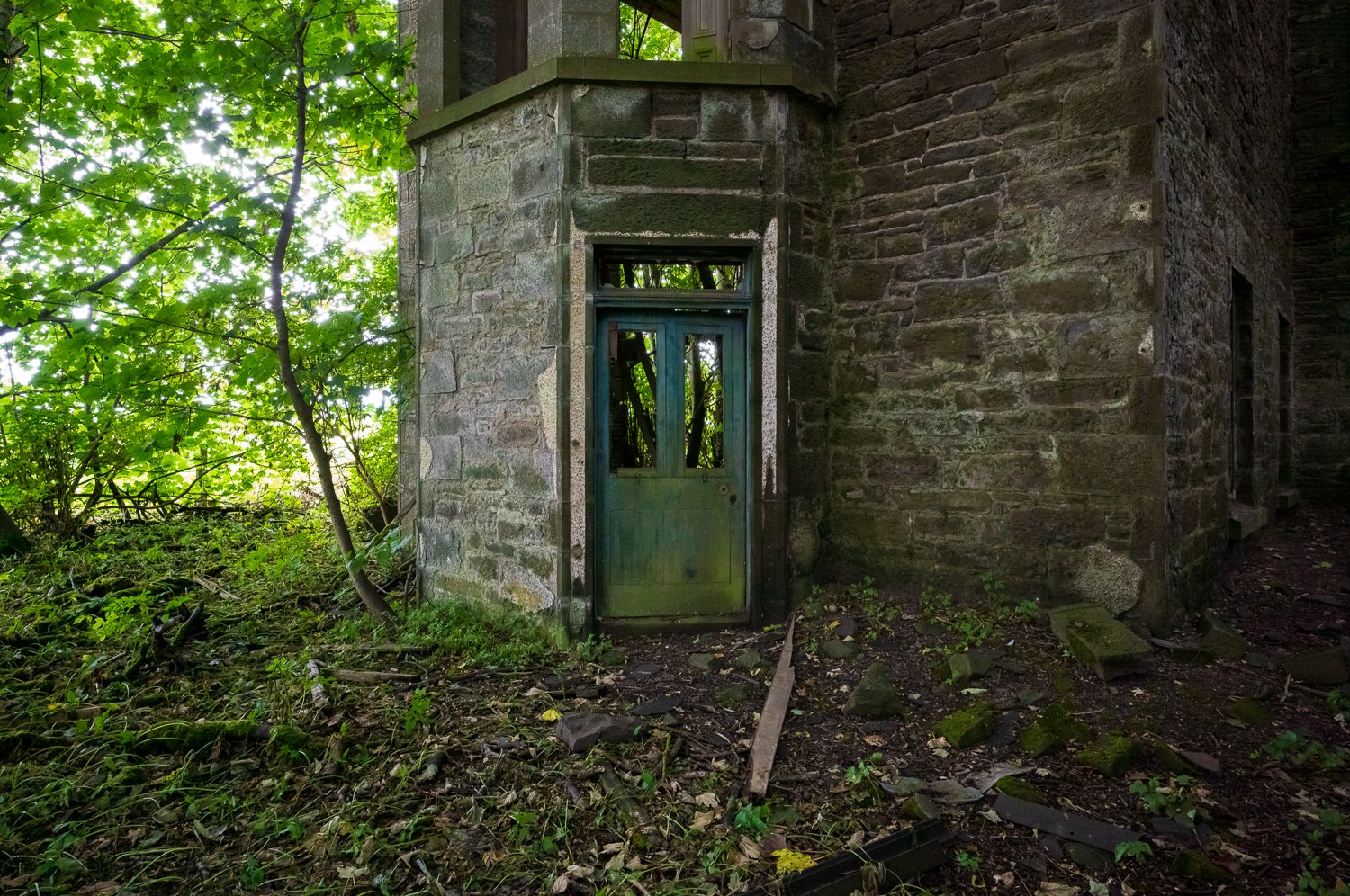
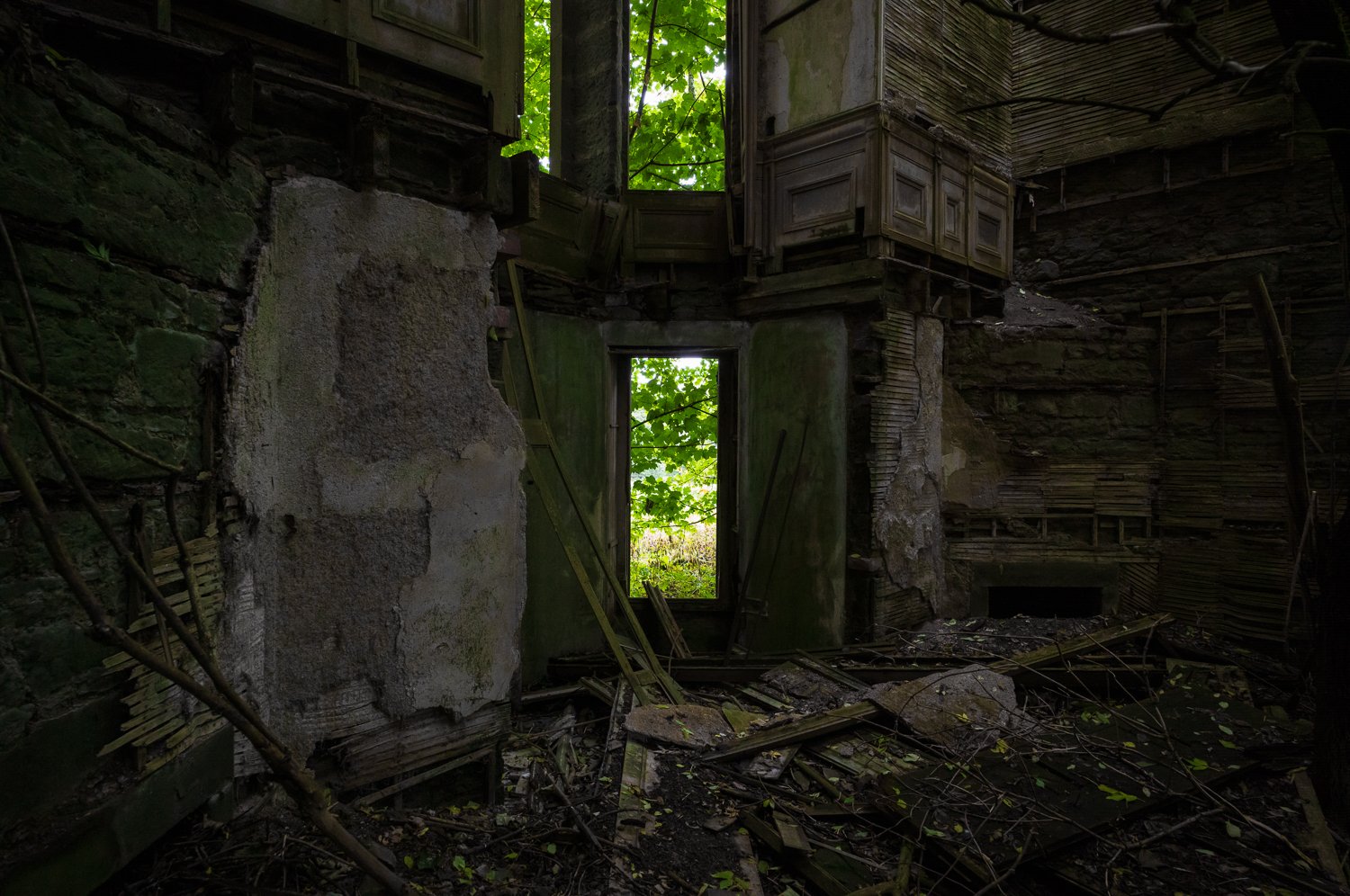
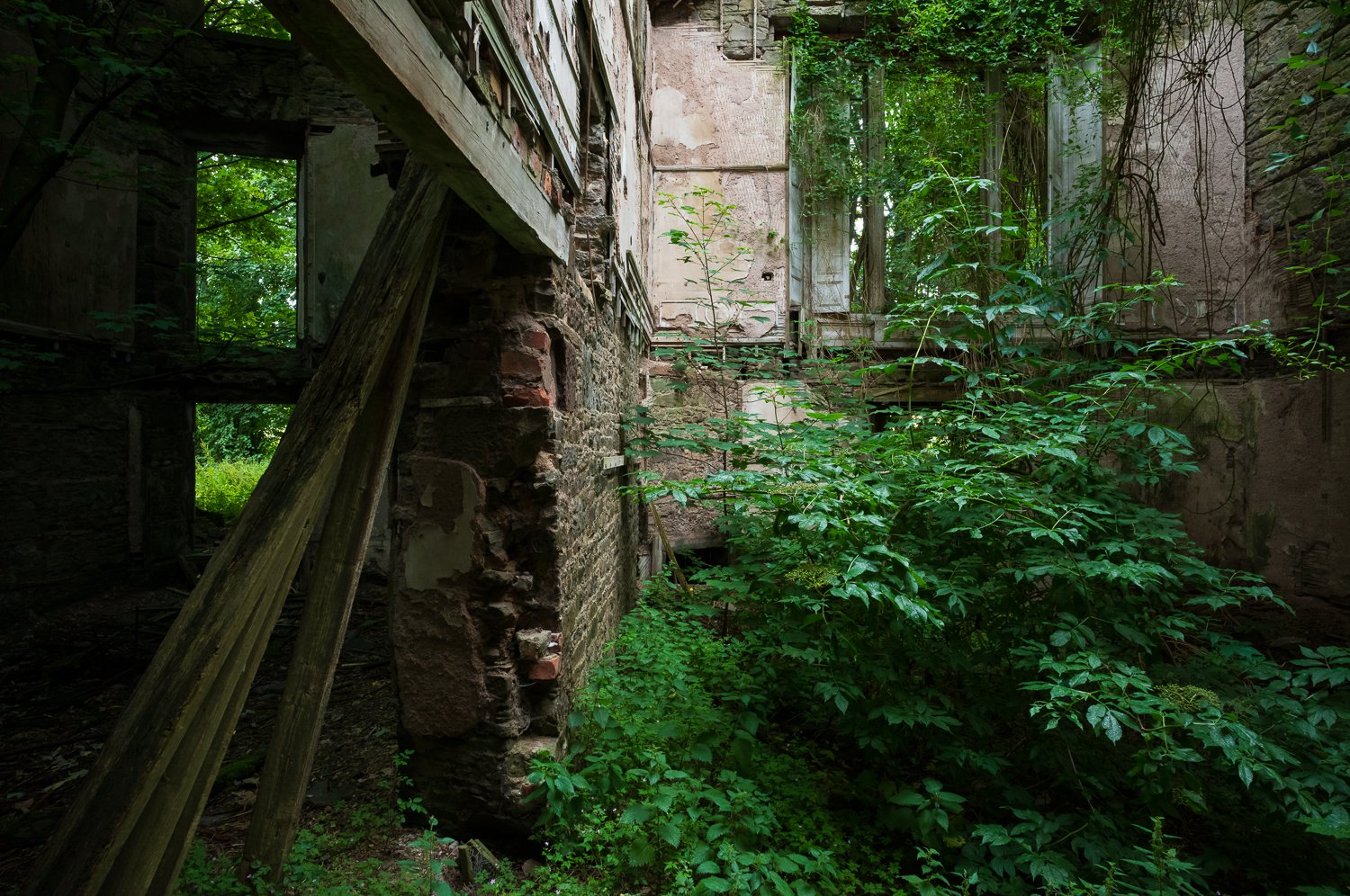
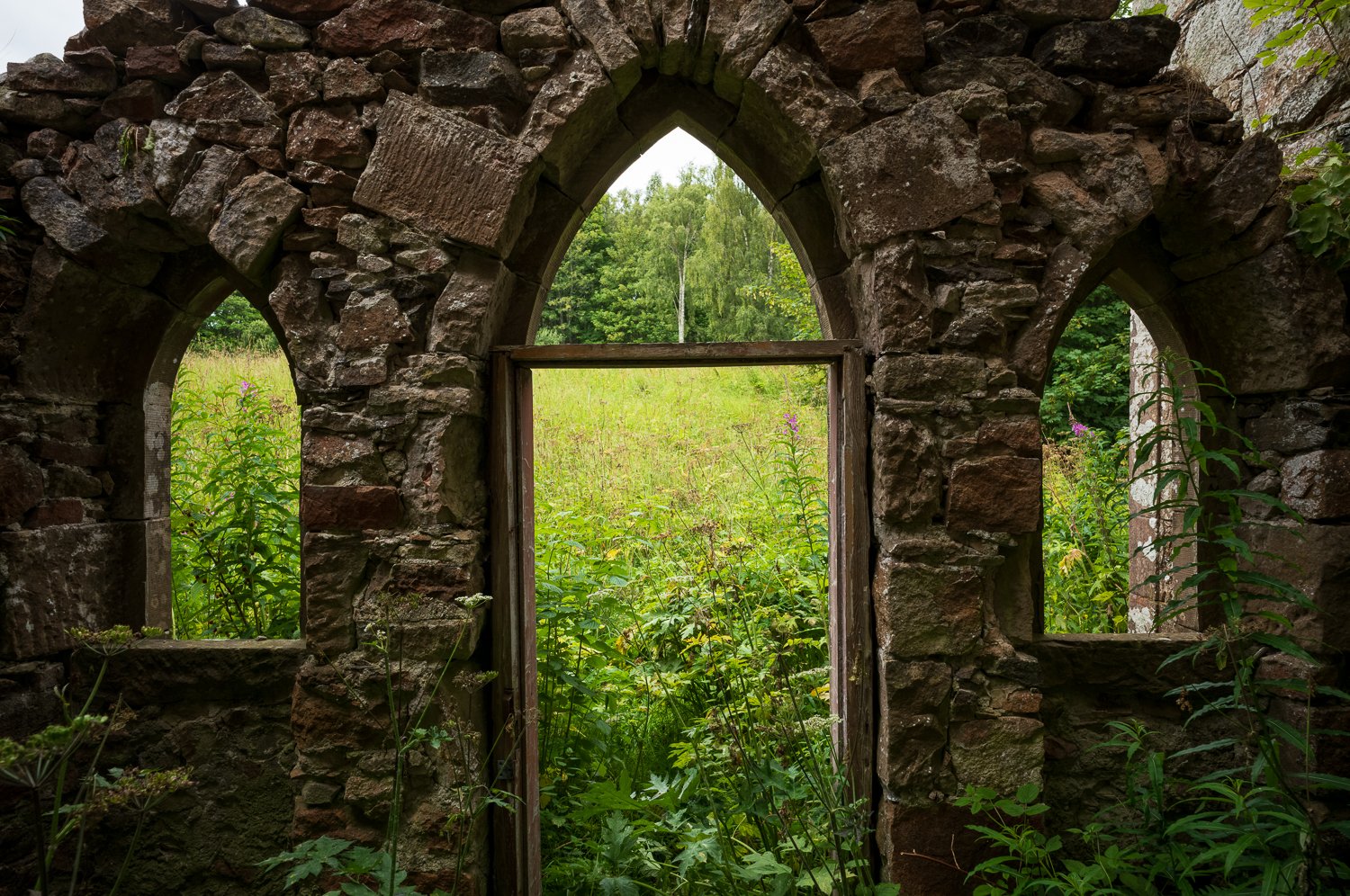
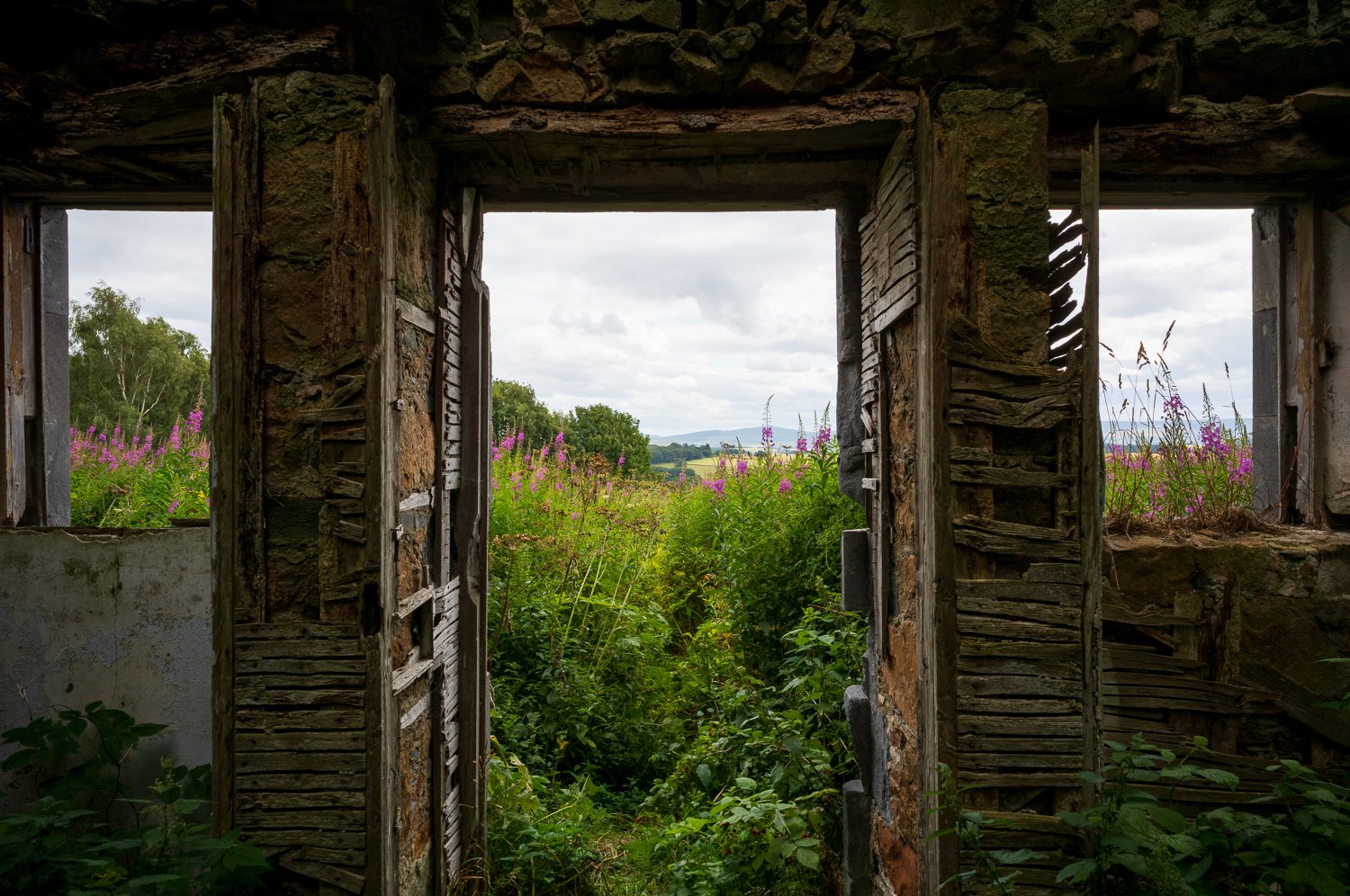
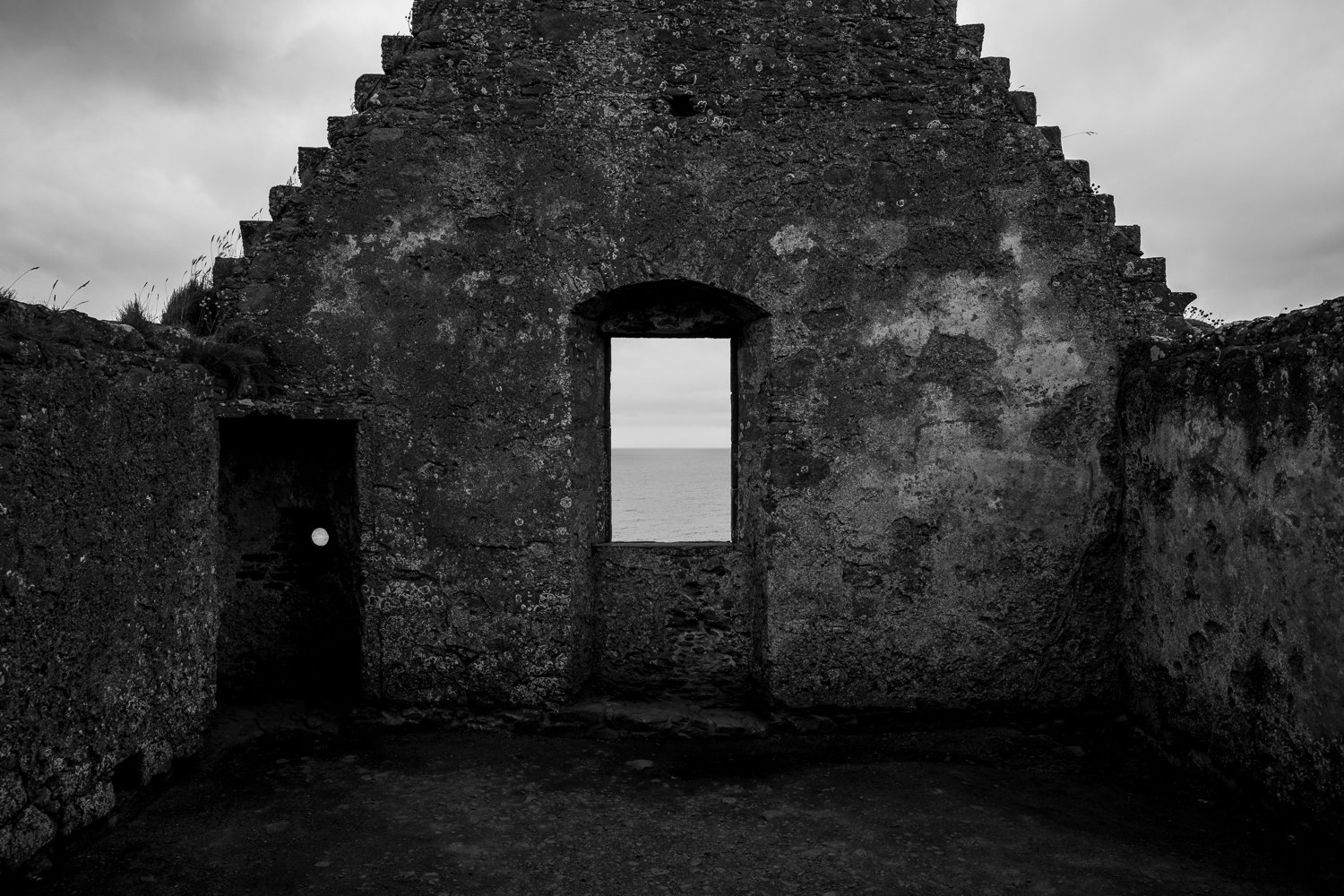
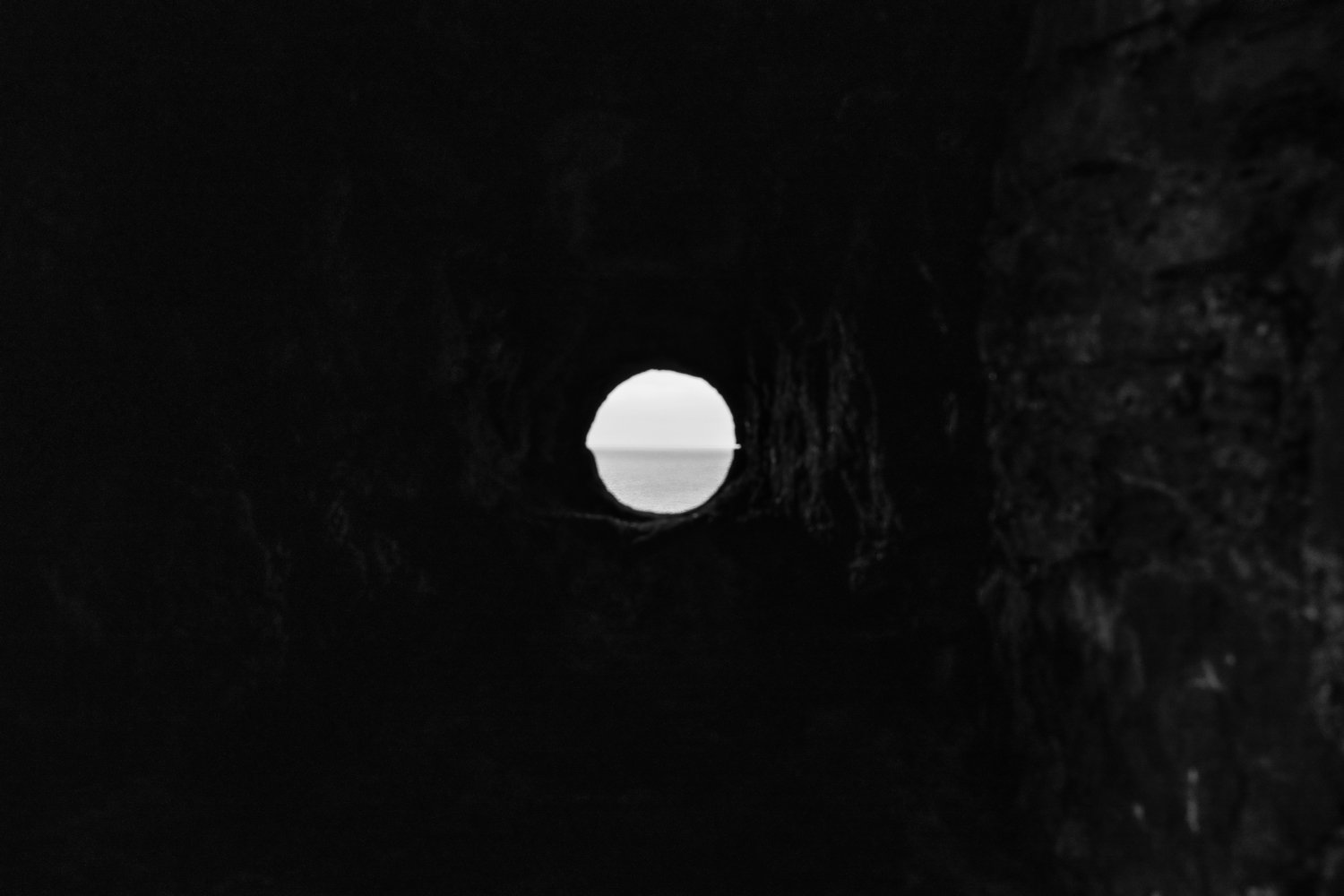
Churches, abbeys, graveyards, and ruined religious sites. Places built for address—for speech directed toward an Other expected to hear. What remains is the architecture of that expectation after the reply has stopped. Empty naves, broken tombs, damaged statues, abandoned houses, and the slow advance of decay reveals an unattended silence—at once theological, existential, and deeply personal.
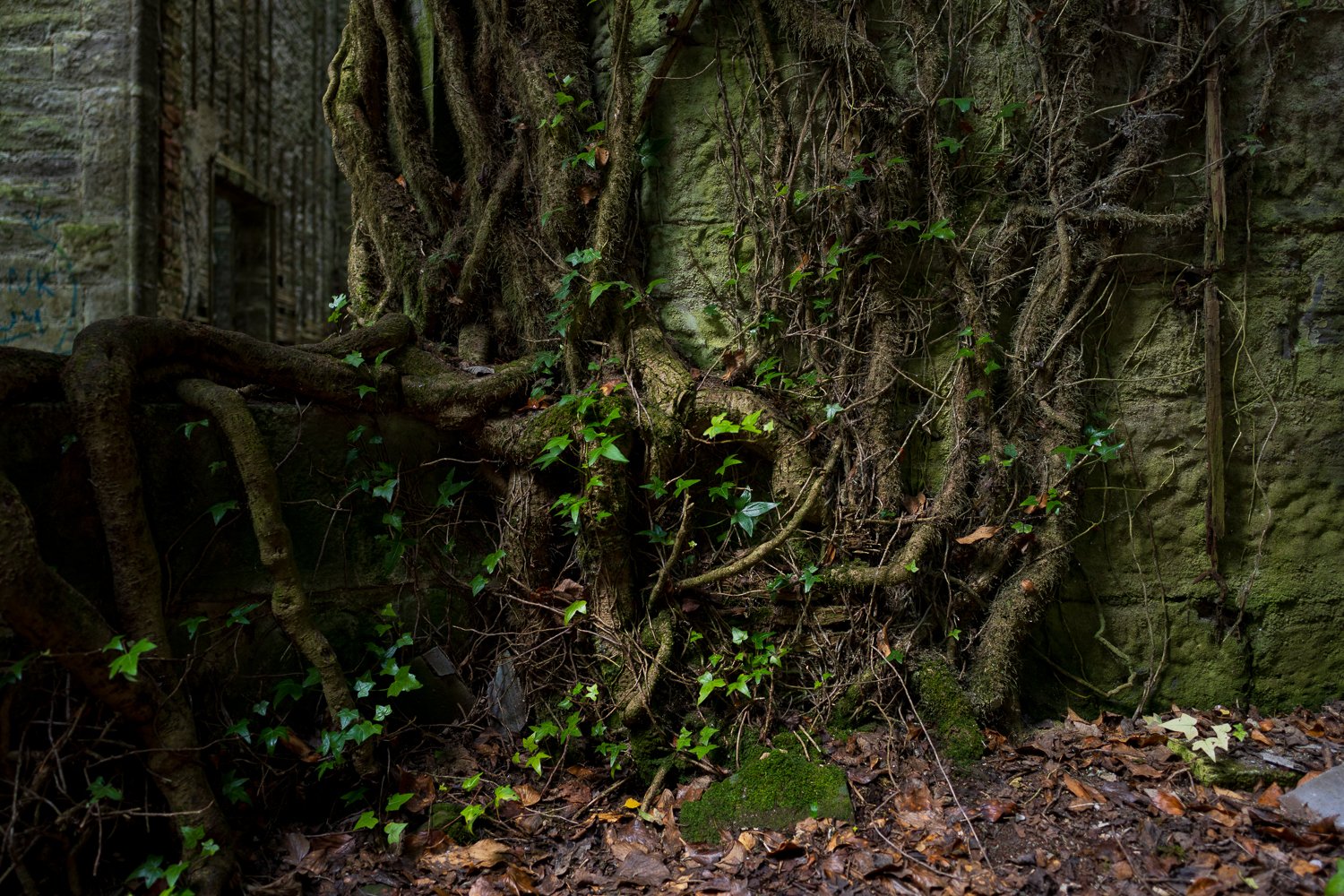
This project grew from a seven-year relationship between a Christian girl and an existentialist boy, tracing the misalignment of anxious and fearful-avoidant attachment. Driven by a longing for clarity and progress, one painstakingly constructed a space for connection—the very architecture of expectation. Overwhelmed by the agonising friction of that proximity, the other sought safety in distance, withdrawing into the quiet sanctuary of faith. What attachment theory defines as an instinct for self-preservation, theology offered as a holy surrender. The resulting silence was a slow, weathering force; much like roots quietly fracturing a foundation, it gradually dismantled an establishment into an abandoned ruin. What remains is the profound powerlessness of standing alone in a hollowed sanctuary, bearing witness to a decay that can no longer be undone. Over time, this interpersonal silence began to echo a larger, older conundrum—the silence of God.
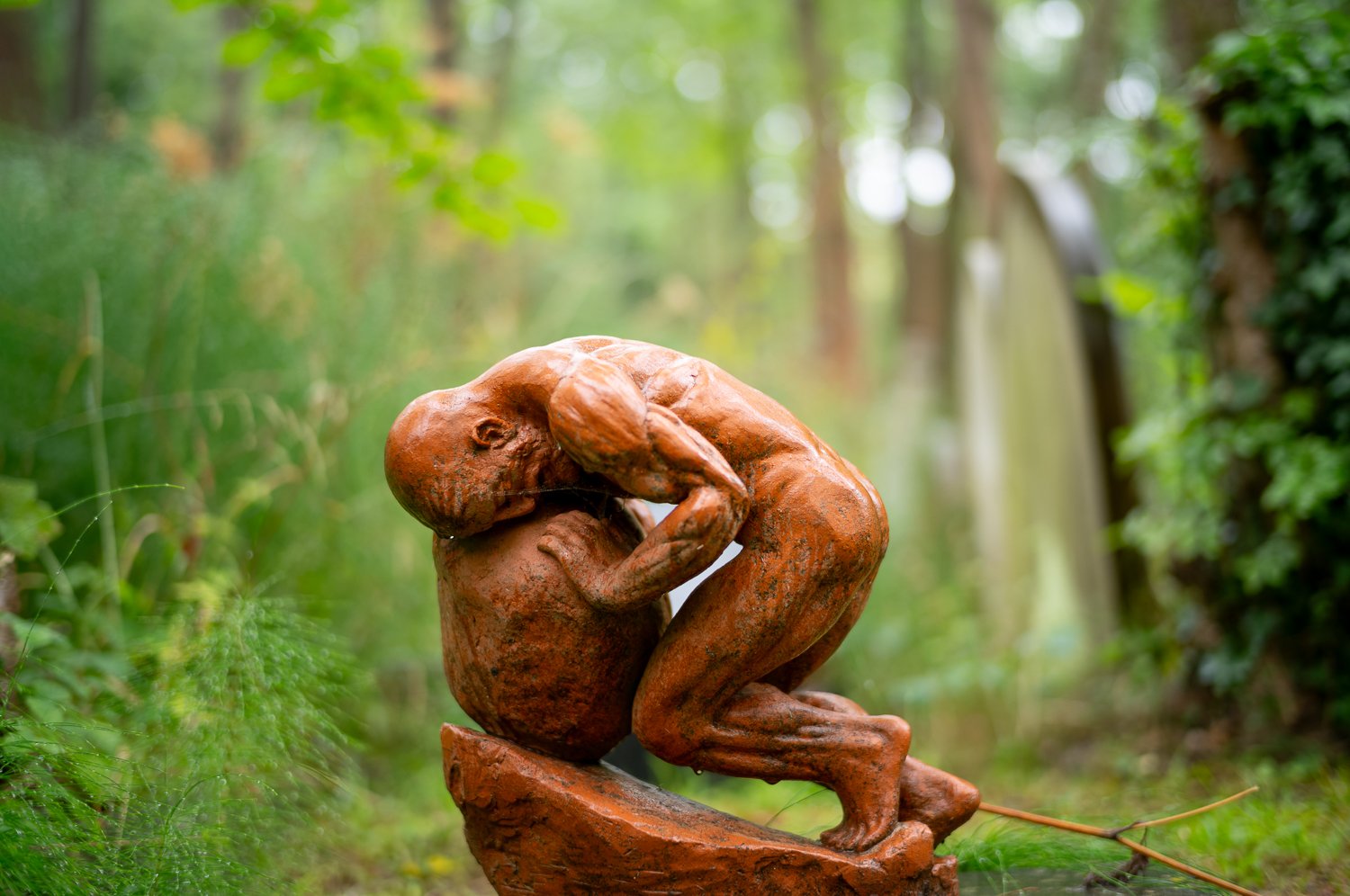
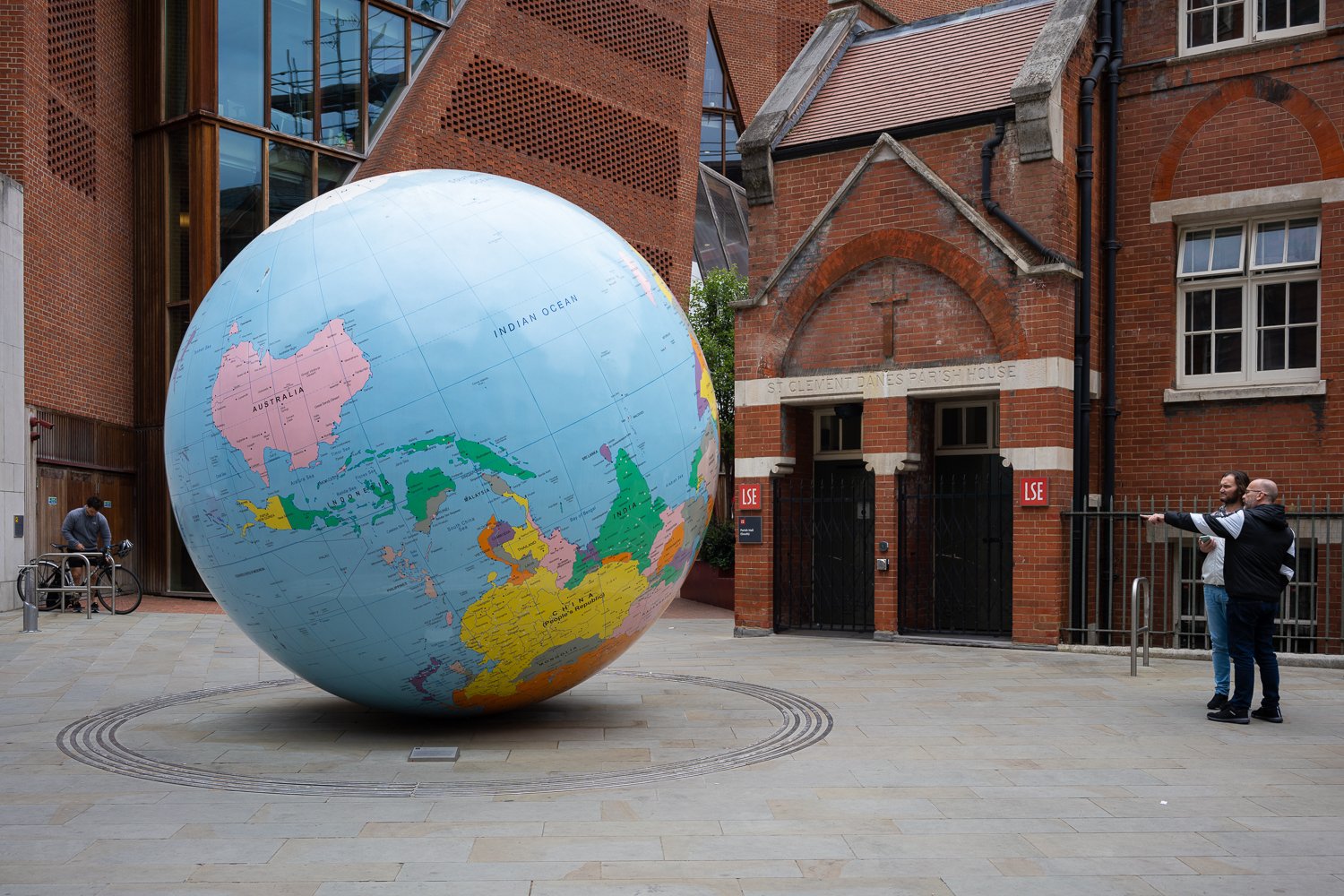
While divine hiddenness and unanswered prayer form a central trial of faith in Christianity, the same structure appears as the absurd in existentialism: the wild longing for clarity colliding with the unreasonable silence of the world. Somewhere between Kierkegaard’s leap of faith and Camus’ Sisyphus, I am left confronting the same question: whether one continues to speak when no reply comes.
Sunny Yeung
17 July 2026